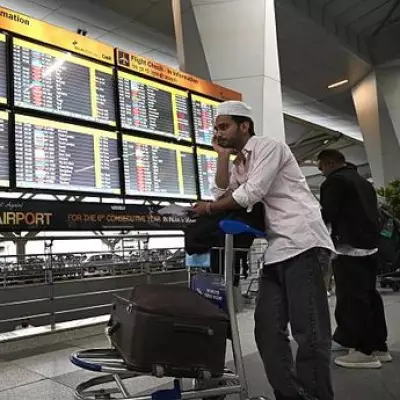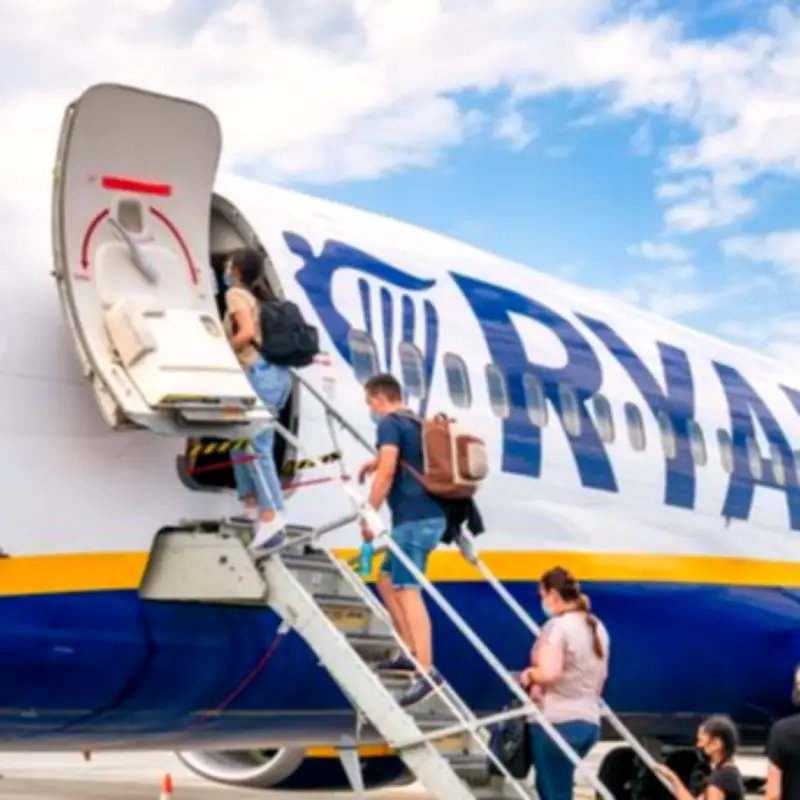
Ryanair has announced the closure of its Thessaloniki base and a reduction in capacity at Athens Airport, resulting in the cancellation of 12 routes to six different countries and the loss of 700,000 seats for the upcoming winter season. The budget airline cited uncompetitive costs at Greek airports as the reason for the move.
Ryanair's Decision and Rationale
Over the weekend, Ryanair revealed it would shut down its three-aircraft base in Thessaloniki and trim operations at Athens Airport. The Irish carrier stated that 700,000 seats and 12 routes would be eliminated as a direct consequence of these actions. In a statement, Ryanair declared: "This devastating loss in off-peak winter connectivity is the direct result of the hopelessly uncompetitive costs charged at the German-run Fraport Greece monopoly and Athens Airport."
The move is the latest in a series of efforts by Ryanair to pressure governments and airport operators into reducing taxes and fees that the airline considers excessive. By reallocating capacity to other countries, Ryanair aims to highlight what it sees as the detrimental impact of high charges on tourism and connectivity.

Cancelled Routes
The following routes have been cancelled due to the base closure and capacity reduction:
- Thessaloniki to Berlin
- Thessaloniki to Chania
- Thessaloniki to Frankfurt-H
- Thessaloniki to Gothenburg
- Thessaloniki to Heraklion
- Thessaloniki to Niederrhein
- Thessaloniki to Poznan
- Thessaloniki to Stockholm
- Thessaloniki to Venice-T
- Thessaloniki to Zagreb
- Athens to Milan-M
- Chania to Paphos
Ryanair has also withdrawn its aircraft from Chania and Heraklion airports. While the airline has not explicitly stated this, its statement suggests that the base and routes could potentially resume operations after the 2026/27 winter season ends.
Ryanair's Criticism of Greek Airport Charges
Ryanair's statement elaborated on its grievances: "The Greek government made the wise decision to reduce the Airport Development Fee (ADF) by 75% (from €12 to €3 per passenger) from November 2024, which should have directly stimulated year-round connectivity and tourism across Greece. However, most Greek airports, particularly those run by Fraport Greece, refused to pass the tax cut onto passengers and instead have pocketed the tax cut for themselves. Since then, Fraport Greece have continued to increase charges, which are now +66% above their pre-Covid levels. Likewise, Athens Airport will hike charges this Winter."
The airline argued that Greek airports have become uncompetitive during off-peak months, forcing it to shift capacity to countries like Albania, regional Italy, and Sweden, where airports have passed on government tax reductions. Ryanair warned that its ambitious growth plans for Greece, which included launching 50 new routes over five years, are now at risk unless airport charges are frozen and the ADF reduction is passed on to passengers at all airports.
Fraport Greece's Response
Fraport, which operates 14 airports in Greece as well as other major European hubs like Frankfurt, pushed back against Ryanair's claims. In a statement, Fraport asserted that Ryanair's decision is "exclusively related" to the carrier's commercial strategy and profitability considerations, and that "any claims linking this decision to airport charges or the airport development fee imposed by the Greek state are entirely unfounded." Fraport Greece highlighted that it has invested over €100 million (£86 million) to upgrade Thessaloniki Airport.
Broader Context: Aviation Taxation
Last month, Ryanair called on the Austrian government to scrap its €12 aviation tax by May 1, warning that it could lead to a decline in airlines, routes, and traffic serving Austrian airports. The airline noted that the tax has made Austria uncompetitive compared to countries like Albania, Italy, and Slovakia, which have revoked aviation taxes, lowered ATC fees, and introduced growth incentives.

However, critics point out that the aviation industry benefits from significant tax breaks, including exemptions from fuel duty and VAT on jet fuel. In the UK, petrol is taxed at 52.95 pence per litre plus 20% VAT, while aviation fuel remains untaxed. The Aviation Environment Federation notes: "Aviation’s exemption from fuel duty and VAT appears more like an indirect subsidy that allows airfares to be kept artificially low. The absence of tax has helped to fuel passenger growth and the sector’s CO2 emissions have increased 125% since 1990. Over the same period, the UK’s overall emissions decreased by 43%."
Meanwhile, Ryanair also announced it was shutting its Berlin operating base and halving its winter schedule to the German capital, blaming soaring aviation taxes in Germany. The airline said relocating seven aircraft would reduce its Berlin passenger numbers from 4.5 million to 2.2 million annually.