UK inflation is expected to have eased in April as a decline in household energy bills counterbalanced a sharp rise in fuel prices, though analysts caution that the impact of the Iran energy price shock will soon catch up with the cost of living.
Inflation Rate Expected to Slow
Most economists anticipate that the Consumer Price Index (CPI) inflation rate fell to 3% in April, down from 3.3% in March. This would indicate that prices are still rising year-on-year, but at a slower pace than the previous month.
Energy Price Cap Reduction
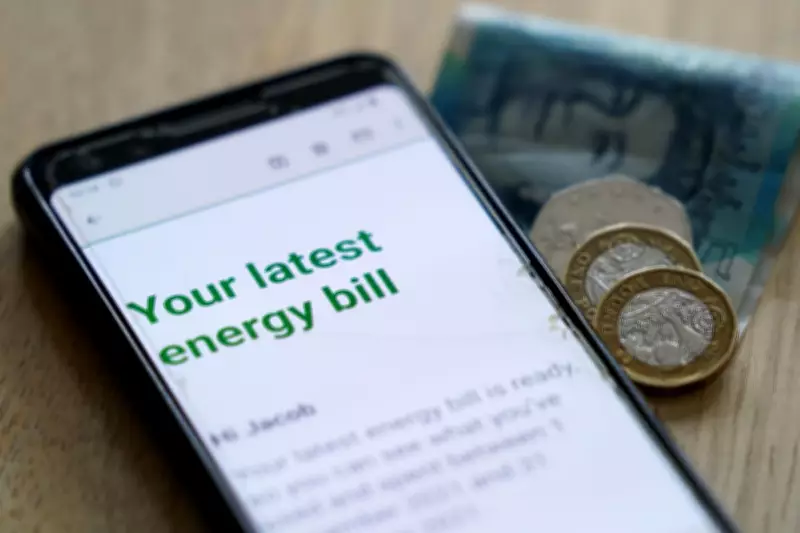
A key factor behind the expected slowdown is the reduction in Ofgem's energy price cap, which dropped by 7%—equivalent to £10 per month—for the average dual-fuel household starting in April. This decrease was largely driven by government measures, including shifting 75% of the cost of the UK's renewables obligation from household bills to general taxation and scrapping the energy company obligation scheme.

Fuel Price Surge Offsets Savings
However, the picture for energy costs was mixed, as motorists faced a significant surge in fuel prices following the onset of the US-Israel conflict with Iran. Sanjay Raja, chief UK economist at Deutsche Bank, estimated that pump prices rose by approximately 15% in April compared to March. "Looking ahead, we expect price momentum to pick back up as the Iran shock catches up with the inflation data," Raja wrote in a research note. "Indeed, dual fuel bills won't rise until the summer."
Future Energy Bill Increases
Household energy bills are forecast to jump in July when the regulator sets its next price cap. Analysts at Cornwall Insight predict a potential 12% increase, or £196 per year higher. Victoria Scholar, head of investment at Interactive Investor, noted that April's lower energy price cap will "go some way towards helping offset higher petrol, airline and other prices impacted by the elevated global oil price backdrop," with Brent crude oil averaging around $120 per barrel during the month. She cautioned: "When the Ofgem energy price cap resets in July, UK households will be faced with a sharp increase in energy bills. Were it not for the Iran war, it would be about this time that the UK inflation rate was finally expected to fall back to the Bank of England's 2% target. Instead, interest rate and inflation expectations have drastically rerated higher."
Bank of England and Economic Outlook
The Bank of England kept interest rates on hold last month and expects inflation to rise under several potential scenarios stemming from the energy shock. Experts emphasize that the economic outlook remains uncertain, dependent on the duration of the Middle East conflict and the trajectory of oil and gas prices.