White House Economic Advisor Downplays Iran War's Economic Impact
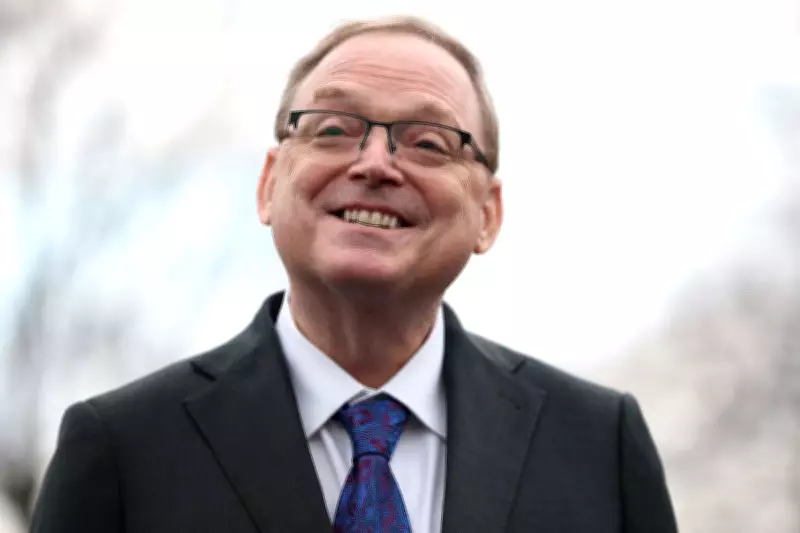
Kevin Hassett, the Director of the National Economic Council, has publicly dismissed concerns that the ongoing military conflict in Iran could negatively affect the United States economy. In a televised interview on CNBC, Hassett asserted that potential economic disruptions from the war are "the last of our concerns right now," despite a significant spike in gas prices and supply chain worries.
Gas Prices Surge as Strait of Hormuz Closes
The average price of gasoline in the United States has risen sharply to $3.79 per gallon, marking an increase of 71 cents compared to the same period last year. This surge is directly linked to Iran's obstruction of the Strait of Hormuz, a critical maritime passage for global oil shipments. Experts have warned that a prolonged disruption in Middle Eastern oil exports could have severe repercussions for the world economy.
However, Hassett attempted to reassure the public, stating he is "highly confident that we've got this thing under control." He emphasized the fundamental soundness of the US economy and downplayed the likelihood of long-term price increases for consumers, even if President Donald Trump extends the military operation beyond its initial four-to-six-week timeline.

Confidence in Military Operation Overshadows Economic Worries
"If the war in Iran were to be extended, it wouldn't really disrupt the US economy very much at all," Hassett claimed during the broadcast. He added that while consumer hardship would be a consideration, it remains a low priority due to confidence in the operation's progress. "We're very confident that this thing is going ahead of schedule," he reiterated, echoing President Trump's previous statements.
Hassett's remarks appear to be part of a broader administration effort to frame the chaotic conflict, which has caused widespread death and destruction across the Middle East, in a positive light. He insisted that comprehensive plans are in place to address potential disruptions, ranging from fertilizer supplies to fuel distribution on the West Coast.
Democratic Lawmakers Criticize Administration's Stance
Democratic leaders have seized upon Hassett's comments as evidence of the Trump administration's indifference to the war's impact on ordinary Americans. Senate Minority Leader Chuck Schumer expressed disbelief, writing on social media, "Hassett really said this out loud. On live television. It's almost unbelievable until you remember they are both the dumbest and cruelest among us."
Representative Katherine Clark, the House Minority Whip, echoed this sentiment, noting, "A Trump official just said that everyday Americans are the 'last of their concerns right now.' On national TV." Connecticut Senator Chris Murphy and Hawaii Senator Brian Schatz also voiced criticism, with Schatz remarking, "Well I'm not some sort of political expert but this feels like an unhelpful thing to say."
White House Defends Advisor's Comments
In response to the backlash, White House Spokesperson Kush Desai defended Hassett, stating that the economic advisor has "repeatedly discussed how he is constantly thinking about the short-term economic impacts from Operation Epic Fury, and how he is always examining new measures to mitigate these disruptions for everyday Americans."
Desai further emphasized that Hassett was merely reiterating the administration's position on the successful military strikes against Iran. "America's economic fundamentals remain resilient, and once the goals of Operation Epic Fury are accomplished, we will move past these short-term disruptions and have a safer, more prosperous world," he asserted.
Public Opinion Contrasts with Administration Optimism
Despite the administration's efforts to portray the war favorably, polling indicates that a majority of Americans disapprove of the military engagement. The constant positivity from officials like Hassett does not appear to be resonating with the public, who remain concerned about economic stability and the broader consequences of the conflict.

President Trump has consistently maintained that the strikes are proceeding ahead of schedule and could extend beyond the initial timeline, while also boasting that they will ultimately lead to lower gas prices and a safer global environment. However, the disconnect between official rhetoric and public sentiment highlights the ongoing challenges in managing both the economic and political fallout from the Iran war.