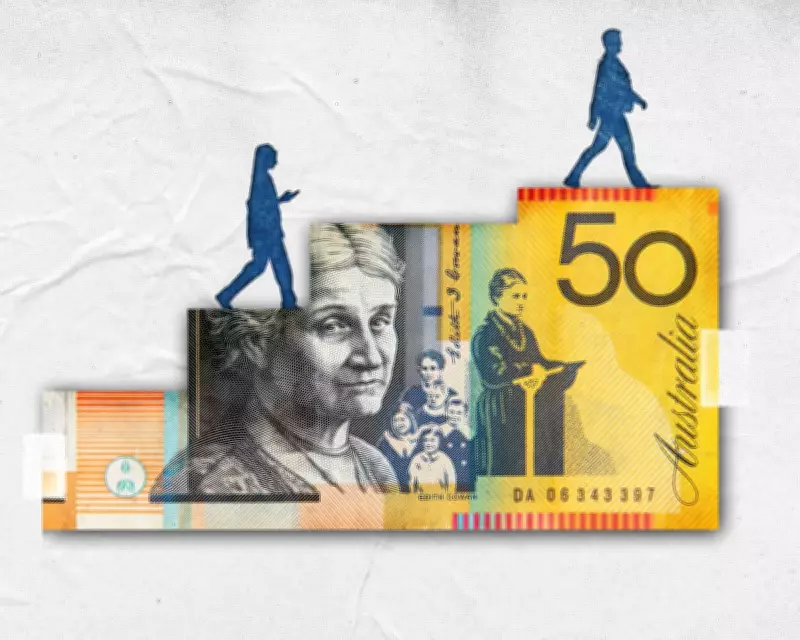
Gender Pay Gap Report Highlights Persistent Earnings Disparity in Australia
The latest gender pay gap report from the Workplace Gender Equality Agency (WGEA) has delivered a stark reality check, revealing that men are nearly twice as likely as women to occupy the highest-paid roles in Australia. Published on Tuesday, the report covers data from 10,500 employers and shows a slight increase in women in top-earning positions, but significant inequality persists.
Key Findings from the WGEA Report
According to the report, men are 1.8 times more likely than women to be in the upper quartile of earners, with an average salary of $221,000. In contrast, women are 1.4 times more likely to be in the lowest quartile, earning an average of about $60,000 annually. This disparity underscores the slow progress in closing the gender pay gap over the past year.
Mary Wooldridge, chief executive of WGEA, emphasized that these results should serve as a wake-up call. "The fact that men are nearly twice as likely as women to be in the highest paid roles and that women still dominate the lowest paid roles should offer a reality check for anyone who thinks Australia has achieved equality in the workplace," she stated.

Industry-Specific Insights and Trends
The report identifies that over 50% of employers have a gender pay gap larger than 11.2%, favoring men. Industries such as financial services, construction, and mining, which are often male-dominated or have highly paid gender-balanced workforces, exhibit the largest gaps. In 2024-25, 22.5% of employers recorded a gender pay gap within the target range, a slight increase from 21.4% the previous year.
Discretionary payments, including performance bonuses and overtime, remain a key driver of these gaps. Wooldridge urged employers to treat gender equality as a critical business goal, recommending detailed analysis, action plans, and accountability targets to foster progress.
Government Response and Future Outlook
For the first time, the report includes data from commonwealth public sector employers. Katy Gallagher, the minister for women, highlighted that this transparency is helping to "shift the dial" by illuminating areas where progress is needed. She pointed to flexible work arrangements as a crucial solution, noting that they enable women to stay connected to work, advance into senior roles, and enhance lifetime earnings.
Previous data from November indicated that Australian women earned 78 cents for every dollar earned by men, resulting in an average pay difference of $28,425 over 12 months. The new findings reinforce the urgent need for systemic changes to address ongoing inequalities in the workplace.