Minister Calls on Employers to Detail Menopause Support for Staff
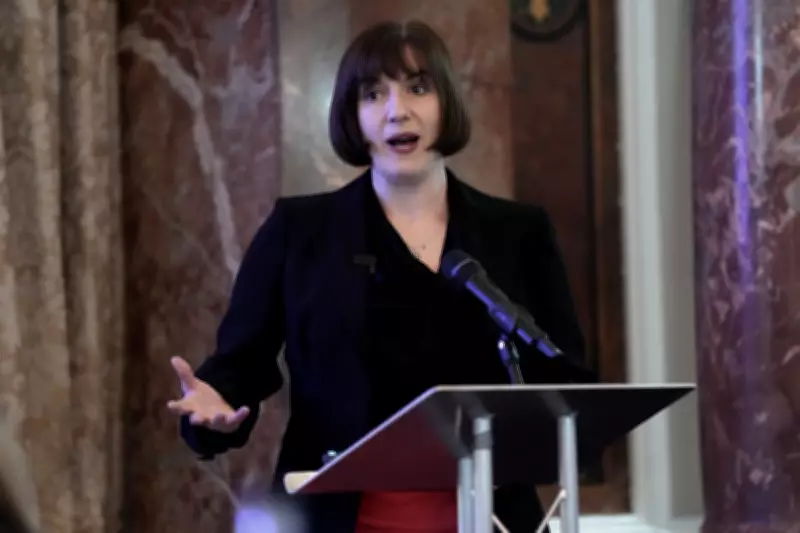
Employers should clearly outline what measures they are implementing to support staff experiencing menopause, according to Women and Equalities Minister Bridget Phillipson. She issued this call while highlighting that too many female employees continue to face unfair pay and have their health needs disregarded in the workplace.
Voluntary Action Plans Launching Next Month
Starting next month, companies with 250 or more employees will have the option to publish a voluntary action plan alongside their gender pay gap data. Minister Phillipson described this initiative as part of a broader effort to "empower women at work" so that "we all benefit from unleashing women's talents." Although these plans are not currently compulsory, the government aims to make them mandatory from spring 2027, pending secondary legislation.
Speaking ahead of International Women's Day, Ms Phillipson expressed her enthusiasm: "I am delighted to formally launch employer action plans, which are part of our commitment to ensure women can thrive at work and tackle the gender pay gap." She emphasized the ongoing challenges, stating, "Too many women are still not paid fairly, held back at work due to inconsistencies in support or find common sense adjustments for their health needs overlooked or dismissed."

Components of the Proposed Action Plans
The government has outlined several potential elements for these action plans, which include:
- Ensuring managers receive training to support employees going through menopause.
- Offering tailored occupational health advice and workplace adjustments.
- Conducting menopause risk assessments within the workplace.
In addressing the gender pay gap—defined as the difference between the average pay of men and women in an organisation—the government suggests firms can use these plans to:
- Increase transparency regarding promotion, pay, and rewards.
- Integrate diversity into their company culture.
- Set targets to improve gender representation across all levels.
Support from Business and Advocacy Groups
Mary Macleod, chairwoman of the Women's Business Council, welcomed the measures, noting their potential to boost both female workforce participation and economic growth. "We have come a long way in the fight for women's equality, but sadly we continue to face challenges at different stages of our lives and careers," she said. Macleod added, "These measures have the power to not only increase the number of women in the workforce, but to increase productivity and innovation. Because equality isn't just the right thing to do - it is also a vital driver for economic growth."
Mariella Frostrup, the government's menopause employment ambassador, highlighted the economic impact: "Menopause affects millions of women at the height of their careers; which is detrimental to the economy, businesses and the talented women." She urged employers to take action, saying, "This International Women's Day I urge every large employer to put a menopause action plan in place. No woman should have to leave a job she loves because of a natural stage of life."
Penny East, chief executive at the Fawcett Society, stressed the importance of moving from transparency to tangible action. "Large employers must not simply publish data; they must now take action to improve workplace cultures and practices," she asserted. East also mentioned ongoing collaboration with the government to ensure the eventual compulsory framework includes stronger pay transparency measures and clear accountability mechanisms.
The government has committed to working closely with businesses to "share best practice and motivate others to follow their lead voluntarily" during the voluntary phase over the next year.