Youth Unemployment Hits Five-Year High, Prompting Wage Policy Review
Official statistics reveal that youth unemployment among individuals aged 18 to 24 surged to a five-year peak during the final quarter of 2025. Experts note that when excluding the pandemic-era spike, this figure represents the highest level in over a decade, raising alarms within the government.
Government Considers Slowing Minimum Wage Equalisation
In response to these concerning trends, ministers are evaluating a potential slowdown in the equalisation of the national minimum wage for younger workers. The Labour Party had previously committed in its manifesto to eliminate wage disparities between age groups by the next election, arguing that lower pay for youth is unjust. However, government sources indicate that while equalisation remains a long-term goal, the timeline may be extended to mitigate employment risks.
Currently, the minimum wage stands at £10 per hour for workers aged 18 to 20, compared to £12.21 for those over 21. From April, cumulative costs for employing individuals aged 21 and above have increased by 15% since 2024, while for 18- to 20-year-olds, the rise is 26%, or £4,095, potentially discouraging employers from hiring younger staff.

Expert Warnings and Business Concerns
Alan Milburn, former minister and chair of the government's young people and work review, described the rise in youth unemployment as an "existential" threat that could consign a generation to economic marginalisation. He emphasised that this issue reflects long-term shifts in labour markets rather than temporary fluctuations.
Business groups have voiced strong support for delaying wage equalisation. Kate Shoesmith, policy director at the British Chambers of Commerce, reported that 37% of firms fear that higher pay for young workers would deter recruitment, exacerbating unemployment. Similarly, Alex Hall-Chen of the Institute of Directors highlighted research showing that 13% of businesses reduced hiring of 16- to 20-year-olds following previous wage increases, advocating for a pause to assess policy impacts.
Union Opposition and Government Response
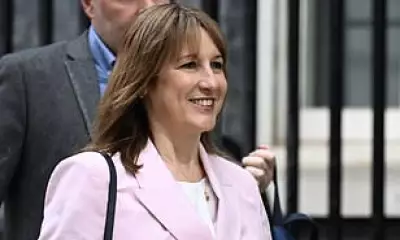
In contrast, Andy Prendergast of the GMB Union dismissed claims that equalising wages would harm employment as "nonsense," arguing that employers historically overstate the negative effects of improved workers' rights. Chancellor Rachel Reeves avoided direct confirmation of any delay when questioned, instead pointing to existing incentives like apprenticeship rates and national insurance exemptions for young workers, alongside expanded education and apprenticeship programmes.
A Treasury source suggested that a slower equalisation is "all but certain," with the final decision resting on the Low Pay Commission's review of evidence, including ministerial submissions expected in the coming months. This approach would likely result in Labour missing its manifesto target for pre-election equalisation.
A government spokesperson reaffirmed commitments to raising minimum wages to reward low-paid workers, underscoring the ongoing balance between fair pay and employment stability in a challenging economic landscape.