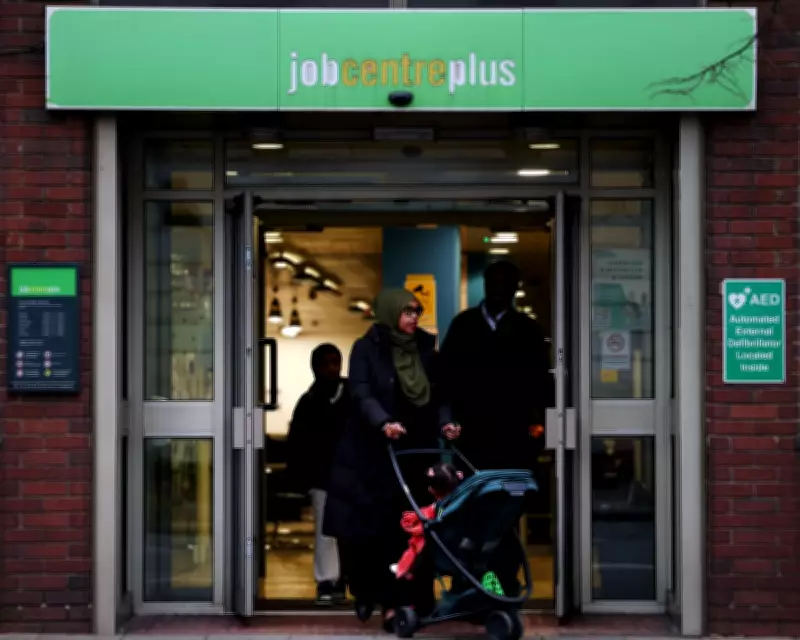
The latest labour market data from the Office for National Statistics reveals a concerning trend in the UK economy, with unemployment reaching its highest point in nearly five years. The jobless rate increased to 5.2% in the October-December quarter, up from 5.1% in the previous three-month period, representing the most significant level since the first quarter of 2021.
Payroll Numbers Decline and Wage Growth Cools
In addition to the rising unemployment figures, the number of workers on company payrolls has fallen substantially. Over the past year, payrolls decreased by 130,000, with a quarterly drop of 46,000 in the final months of 2025. This decline aligns with ongoing complaints from businesses regarding increased employment costs, attributed to policies such as higher national insurance contributions and an elevated minimum wage implemented by Chancellor Rachel Reeves.
Wage growth has also shown signs of slowing down. Basic pay, excluding bonuses, rose by 4.2% in the October-December quarter, a decrease from the 4.4% growth recorded a month earlier. Total earnings, which include bonuses, similarly saw a slowdown, with growth falling to 4.2% from 4.6% in the September to November period of 2025.

ONS Analysis and Economic Indicators
Liz McKeown, Director of Economic Statistics at the ONS, provided detailed commentary on the latest figures. She noted that the reduction in payroll numbers reflects weak hiring activity, although the data has remained largely unchanged in the most recent month. McKeown highlighted that the unemployment rate increase is partly due to more individuals who were previously out of work now actively seeking employment.
Key points from the ONS report include:
- The number of vacancies has stayed broadly stable since mid-2025, but with rising unemployment, the ratio of unemployed people per vacancy has reached a new post-pandemic high.
- Redundancies are trending upward, indicating further strain on the labour market.
- Private sector wage growth has slowed to its lowest rate in five years, while public sector pay growth has also decelerated, though it remains elevated due to earlier implementation of pay awards in 2025.
McKeown emphasised that the effects of these pay awards are beginning to diminish, suggesting a potential normalization in public sector earnings. The overall picture points to a labour market facing multiple pressures, from reduced hiring to slower income growth for workers.
Broader Economic Context and Future Outlook
The release of these labour market figures comes amid a series of economic data points scheduled for analysis. The agenda includes UK labour force data, German inflation reports, UK productivity statistics for the fourth quarter of 2025, the ZEW eurozone economic sentiment survey, and the NY Empire State Manufacturing Index. These indicators will provide further insight into the global and domestic economic environment influencing the UK's employment trends.
As businesses continue to navigate higher costs and economic uncertainty, the rise in unemployment and slowdown in wage growth underscore the challenges facing the UK economy. Policymakers and analysts will be closely monitoring subsequent data to assess whether these trends persist or begin to reverse in the coming months.