Youth Unemployment Rate Soars to Worst Level in Over a Decade
The unemployment rate among young people in the United Kingdom has reached its most severe point in more than ten years, with the Labour government facing accusations of fostering a 'jobless generation'. According to the latest data from the Office for National Statistics (ONS), the unemployment rate for individuals aged 16 to 24 years old increased sharply to 16.1 per cent during the three-month period ending in December.
Historical and International Comparisons Highlight Crisis
This figure represents the highest level recorded since early 2015. Furthermore, analysis from the Resolution Foundation think tank indicates that, for the first time since records began in the year 2000, the UK's youth unemployment rate has now exceeded the European Union average. The youth unemployment rate across Europe stood at 14.9 per cent in the final quarter of last year, underscoring the growing disparity.
Geographic Disparities: Birmingham Hit Hardest
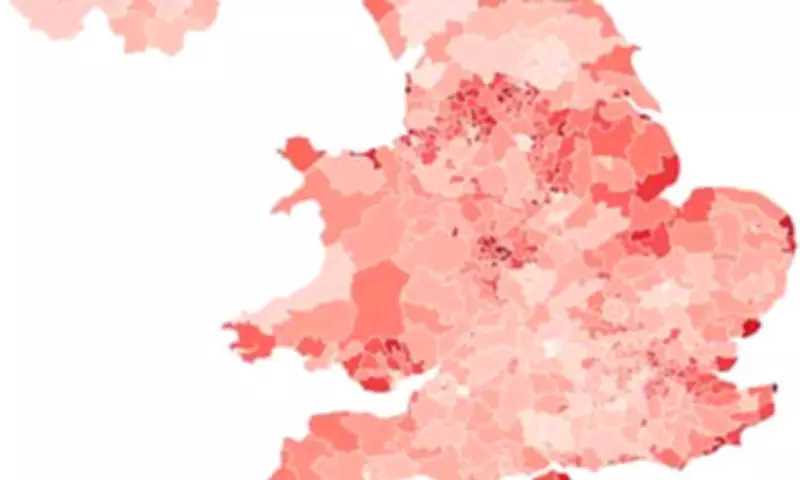
House of Commons Library data reveals significant regional variations in the impact of youth joblessness. The crisis is particularly acute in certain parts of Britain. The top six parliamentary constituencies with the highest percentage of 18 to 24-year-olds claiming unemployment-related benefits are all located within Birmingham.

- Birmingham Erdington (15.8 per cent)
- Birmingham Perry Barr (15.2 per cent)
- Birmingham Hall Green and Moseley (13.5 per cent)
- Birmingham Hodge Hill and Solihull North (13.4 per cent)
- Birmingham Northfield (13.1 per cent)
- Birmingham Yardley (13.1 per cent)
Other areas featuring prominently in the top ten include Bradford East (12.8 per cent), Bradford South (12.1 per cent), Bradford West (11.8 per cent), and East Thanet (12.5 per cent).
Areas with the Lowest Youth Unemployment Rates
In stark contrast, Oxford West and Abingdon recorded the lowest percentage of young claimants, with less than one per cent of 18 to 24-year-olds receiving out-of-work welfare. Other constituencies with notably low rates include:
- Bath (1 per cent)
- Cambridge (1.2 per cent)
- Bristol Central (1.2 per cent)
- York Central (1.4 per cent)
- Edinburgh South (1.4 per cent)
- Exeter (1.5 per cent)
- North East Fife (1.7 per cent)
- Newcastle Upon Tyne North (1.7 per cent)
- Leeds Central and Headingley (1.7 per cent)
Economic Pressures and Policy Impacts
The weakened jobs market has placed significant strain on sectors such as retail and hospitality, which traditionally employ a large proportion of younger workers. This situation has been exacerbated by recent government policies. Chancellor Rachel Reeves increased employers' National Insurance contributions and implemented above-inflation rises in the national minimum wage. In response, some businesses have reduced staff numbers and slowed their hiring processes.
Louise Murphy, a senior economist at the Resolution Foundation, issued a stark warning, noting that almost one in six young people who were actively seeking employment could not secure a job by the end of last year. She cautioned that joblessness 'risks climbing even further' and emphasised that reducing youth unemployment, alongside the proportion of young people not in education, employment, or training, must become 'a top priority for 2026'.
Political Reactions and Accusations
The opposition Conservative Party has launched a fierce critique of the government's handling of the economy. Helen Whately, the Shadow Work and Pensions Secretary, stated: 'An unprecedented series of monthly unemployment increases is the hallmark of this Labour Government. The predictable result of bad decisions and economic incompetence. Young people are taking the hardest hit. Entry-level roles are the first to disappear from Labour's tax hikes. By making hiring more expensive and more risky, Labour are ensuring school leavers and graduates never even get a foot in the door.'

Andrew Griffith, the Shadow Business Secretary, echoed this sentiment, branding Labour a 'zombie Government with no plan for growth'. He added: 'Labour's Jobs Tax, economic uncertainty and their red tape Employment Rights Bill are holding back hiring, creating a jobless generation.'
Government Response and Initiatives
In response, Work and Pensions Secretary Pat McFadden pointed to broader ONS employment figures, which showed an increase of 381,000 people in work since the beginning of 2025. However, he acknowledged that 'more to do to get people into jobs' remains. McFadden highlighted government efforts, stating: 'Our £1.5billion drive to tackle youth unemployment is a key priority and this month we announced that we'll make it easier for young people to find and secure an apprenticeship, which comes on top of our investment to create 50,000 new apprenticeships.'
The escalating youth unemployment crisis presents a major economic and social challenge for the UK, with deep geographic inequalities and intense political debate over its causes and solutions.