Australian Leaders Urge Calm Over Fuel Amid Middle East Conflict Fears
Political leaders in Australia have issued a firm appeal to the public in recent days, urging citizens to avoid panic-buying petrol. This call comes amidst growing concerns over potential price spikes and shortages triggered by the ongoing conflict in the Middle East. The situation has sparked fears reminiscent of past crises, but officials are working to dispel alarm with reassurances about the nation's fuel security.
No Immediate Threat to Fuel Supplies
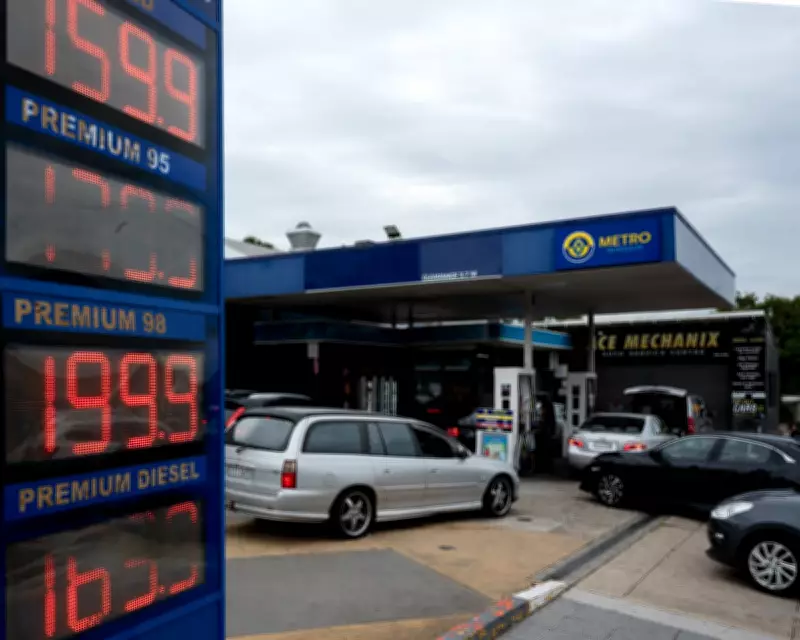
Treasurer Jim Chalmers emphasised on Wednesday that there is no need for panic-buying petrol, stating that the US-Israeli war on Iran does not signal an imminent fuel shortage for Australia. His comments follow reports of Costco service stations running dry and long queues at other petrol stations as motorists rush to fill up ahead of anticipated price increases.
Energy Minister Chris Bowen echoed this sentiment on Tuesday, suggesting that fear itself is the primary concern. "There are real challenges, but there is no need for panic-buying; that will just make the situation worse," Bowen said, drawing parallels to the toilet paper shortages during the Covid pandemic.

Understanding Australia's Fuel Dependence
The root of the anxiety lies in global oil dynamics. Attacks on Iran and retaliatory measures have effectively closed the Strait of Hormuz, a critical chokepoint that handles one-fifth of the world's seaborne crude oil supply. This disruption has sent energy commodity prices soaring, posing a dual threat of higher costs and potential availability issues for fuel-dependent nations like Australia.
Australia imports approximately 90% of its liquid fuel, including petrol, diesel, and aviation fuel. Most of these products are sourced from refineries in Singapore, South Korea, and Japan, which in turn rely heavily on Middle Eastern crude oil. Over the years, the number of local oil refineries has dwindled from 12 to just two, both of which receive government support, reflecting a shift towards cheaper imported fuels under successive governments.
Strategic Fuel Reserves in Focus
Unlike toilet paper, Australia maintains a strategic reserve of petroleum products. Since 2023, importers and refiners have been legally required to hold baseline fuel stocks as part of the nation's long-term fuel security framework. According to Bowen, current reserves stand at 36 days' worth of petrol, 34 days of diesel, and 32 days of jet fuel. These figures are based on weekly reporting by businesses and quarterly data from the Department of Climate Change, Energy, the Environment and Water.
Separate statistics indicate that at the end of last year, Australia had reserves covering 26 days of petrol demand, 25 days for diesel, and 20 days for jet fuel. If the country were completely cut off from global supplies today, it could theoretically last until early April before depleting its stocks, assuming consumption rates remain constant.
Assessing the Adequacy of Stockpiles
However, officials stress that a total halt to international supply lines is not currently anticipated. A 2020 federal government review, released under freedom of information in early 2024, examined a scenario where the Strait of Hormuz was closed. It concluded that fuel supplies in Australia would likely remain unaffected if the disruption resolved within six months and International Energy Agency countries released emergency stocks.
Tony Wood, a senior fellow at the Grattan Institute's energy and climate change program, notes that determining the optimal size of strategic reserves is complex. "Clearly the geopolitical situation is less stable now than it was, and if the risks are increasing, it makes sense to take out more insurance," Wood said. He highlighted that both major political parties have grappled with this issue, suggesting that current reserves of around 35 days may warrant reevaluation in light of heightened global tensions.
In summary, while the Middle East conflict poses challenges for global oil markets, Australian leaders assert that the nation's fuel security is robust enough to withstand current pressures, urging the public to remain calm and avoid exacerbating the situation through unnecessary panic-buying.