Tony Blair's Think Tank Urges Labour to Reverse North Sea Oil Ban
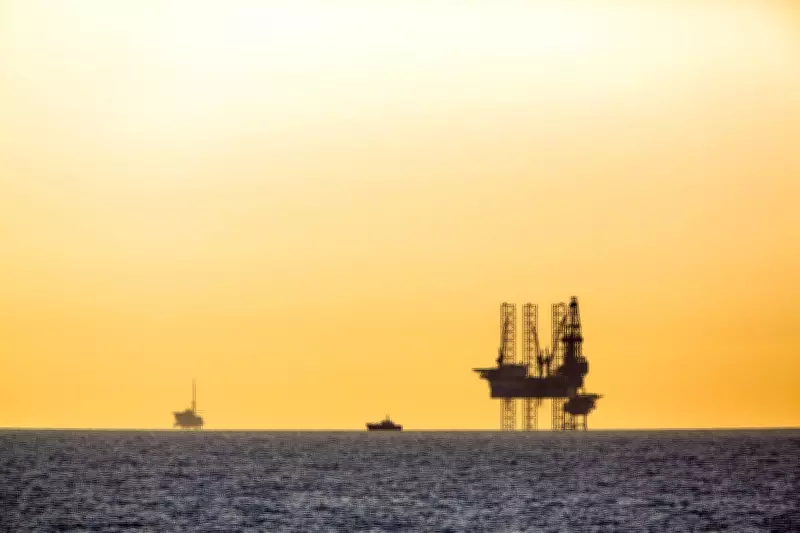
The Tony Blair Institute has issued a stark warning to the Labour government, urging it to reverse its ban on new North Sea oil and gas licences. In a detailed report, the think tank argues that current policies are increasing risk and driving capital away from the UK's energy sector.
Key Recommendations from the Tony Blair Institute
The TBI's recommendations include a significant reduction in the windfall tax rate on oil and gas firms. The institute states that the current Energy Profits Levy is detrimental to investment and energy security. The report criticises Labour's clean power plan as 'climate theatre' rather than 'climate leadership,' suggesting it is leading the UK in the wrong direction.
Labour's existing policy commits to phasing out North Sea oil and gas production by restricting new licences and increasing taxes on energy profits. However, the TBI contends that this approach undermines the UK's economic stability and energy independence.

Echoes of International Criticism
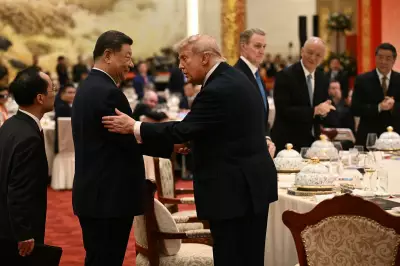
The TBI's stance aligns with comments made by former US President Donald Trump, who has previously criticised the UK for not fully utilising its North Sea reserves. This international perspective adds weight to the think tank's argument that the current ban is misguided.
The institute emphasises that a balanced energy strategy is crucial, one that incorporates renewable sources while maintaining reliable domestic oil and gas production. They warn that abrupt policy shifts could lead to increased reliance on foreign energy imports, posing risks to national security and consumer prices.
Implications for Labour's Energy Policy
This report places significant pressure on the Labour government to reconsider its energy agenda. With calls from within influential circles to adopt a more pragmatic approach, the debate over North Sea drilling is likely to intensify in the coming months.
The Tony Blair Institute's intervention highlights the ongoing tension between environmental goals and economic practicalities in UK energy policy. As the government navigates these complex issues, the recommendations from Blair's think tank could play a pivotal role in shaping future decisions.