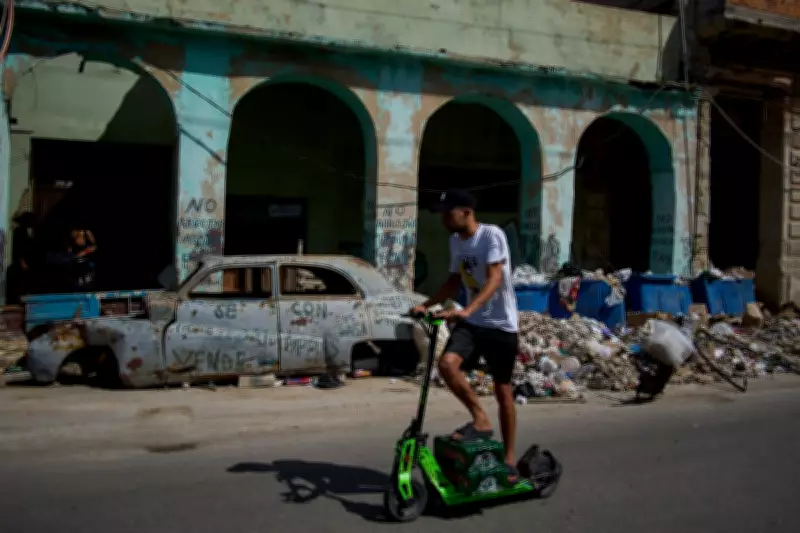
Millions of residents across Havana and western Cuba were plunged into darkness on Wednesday due to a widespread power outage that has crippled the region. The blackout was triggered by the shutdown of the Antonio Guiteras thermoelectric power plant, one of Cuba's largest energy facilities, following a critical boiler leak and pipe burst.
Restoration Efforts Face Significant Delays
An energy official has indicated that restoring operations at the affected plant could take a minimum of 72 hours, with only 2.5% of Havana's power restored by late afternoon on Wednesday. This slow progress underscores the severity of the infrastructure failure and the challenges in addressing it promptly.
Recurring Outages Highlight Deepening Crisis
This incident marks the second major outage in western Cuba within just three months, pointing to a deepening energy crisis on the island. The recurring blackouts are a stark reminder of Cuba's severe energy shortages and its crumbling electric grid, which has been struggling under immense pressure.

Underlying Causes of the Energy Shortage
The underlying issues contributing to this crisis are multifaceted and long-standing. Ageing power plants and a chronic lack of maintenance have left the energy infrastructure vulnerable to failures. Additionally, US sanctions have hindered Cuba's ability to purchase necessary equipment and spare parts, exacerbating the situation.
Dwindling oil reserves have further strained the energy supply, particularly following an attack on Venezuela, a key ally and oil supplier. Compounding these challenges is a threat from former US President Donald Trump regarding oil supply, which has added to the uncertainty and instability in Cuba's energy sector.
Impact on Daily Life and Economy
The blackout has disrupted daily life for millions, affecting homes, businesses, and essential services across Havana and western Cuba. With power restoration expected to take days, the economic and social repercussions are likely to be significant, highlighting the urgent need for infrastructure improvements and sustainable energy solutions.
As Cuba grapples with this latest crisis, the incident serves as a critical wake-up call about the fragility of its energy systems and the broader implications for the island's future stability and development.