Cubans Grapple with Deepening Energy Crisis Amid US Oil Blockade
As the United States intensifies efforts to block oil supplies to Cuba, residents of the Caribbean island are confronting a severe and escalating energy crisis that threatens their daily survival. On Friday, the palpable anxiety in Havana underscored the growing toll of US policies, with many Cubans left questioning how much more they can endure.
Transportation Grinds to a Halt
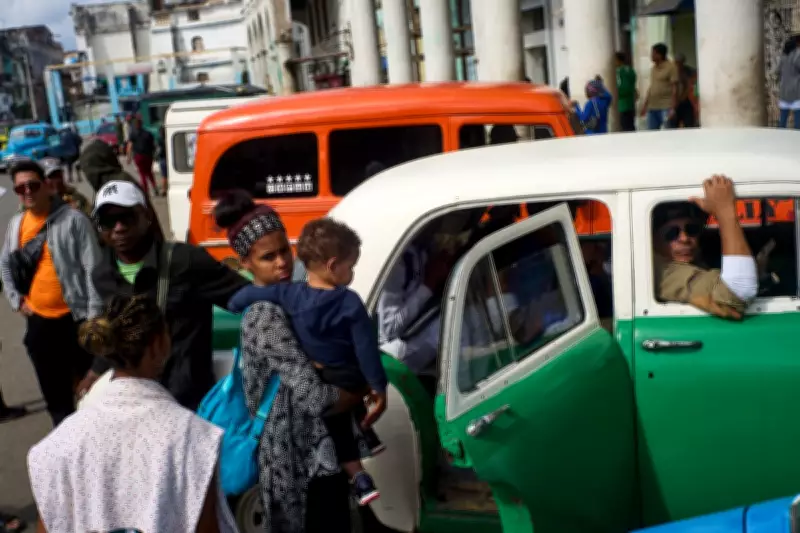
For Solanda Oña, a 64-year-old bookseller, the crisis hit home when her usual bus from Havana's wealthy seaside district to her working-class neighborhood failed to arrive on Thursday night. Stranded and fearful, she spent the night in a nearby restaurant, worrying that this disruption might become the new normal. "Before, things were always difficult. But there was always one bus. One way to get home. Now, there are none," Oña lamented, echoing the concerns of many.
By Friday morning, the situation had deteriorated further. Public buses, already unreliable, ceased operations entirely, leaving countless residents stranded for hours. Long queues for gasoline and frequent blackouts, once common, have worsened significantly. The national transportation company announced cuts to routes in eastern Cuba, while the University of Havana cancelled events and promoted remote learning due to "energy deficits."

US Actions and Economic Fallout
The crisis stems from recent US moves to sever Cuba's access to oil. Last week, President Donald Trump signed an executive order threatening tariffs on countries that supply oil to Cuba, a measure that could further cripple the island's economy. This follows Venezuela's cessation of oil shipments in January after a US military operation captured then-President Nicolás Maduro, and Mexico's halt of exports to Cuba in late January.
Cuban President Miguel Díaz-Canel warned that these efforts would impose heavy sacrifices, asking citizens to brace for hardship. "What does it mean to not allow a single drop of fuel to reach a country?" he questioned. "It affects the transportation of food, food production, public transportation, the functioning of hospitals, institutions of all kinds, schools, economic production, tourism. How do our vital systems function without fuel?"
The communist government reports that US sanctions cost Cuba over $7.5 billion between March 2024 and February 2025, a substantial increase from previous years. With Cuba producing only 40% of the oil it consumes, the loss of external supplies has dealt a devastating blow, particularly to civilians living on state salaries of less than $20 a month.
Daily Struggles and Historical Echoes
Despite the turmoil, much of Havana's 2 million residents carried on with daily life—schools, banks, bakeries, and shops operated as usual, highlighting how normalized the crisis has become. Taxis and shared electric motorcycles provided by some employers remained functional, but their fares are prohibitively expensive for most Cubans.
For many, the current economic turmoil evokes memories of the 1990s Special Period, a severe depression following cuts in Soviet aid. Cristina Díaz, a 51-year-old mother of two, now walks to her job as a house cleaner, joining packs of others navigating Havana's roads on foot. "We're living as best we can," she said. "What can I do? I live here, I was born here and this is my lot. I have to walk to get to work and to be able to feed my children."
While the US announced $6 million in aid to Cubans on Thursday night, this gesture offers little relief against the backdrop of severed energy sources. As Cubans adapt to this new reality, their resilience is tested daily, with the energy crisis deepening and no immediate resolution in sight.