Energy Debt Crisis Deepens as Household Arrears Double to £5.5 Billion
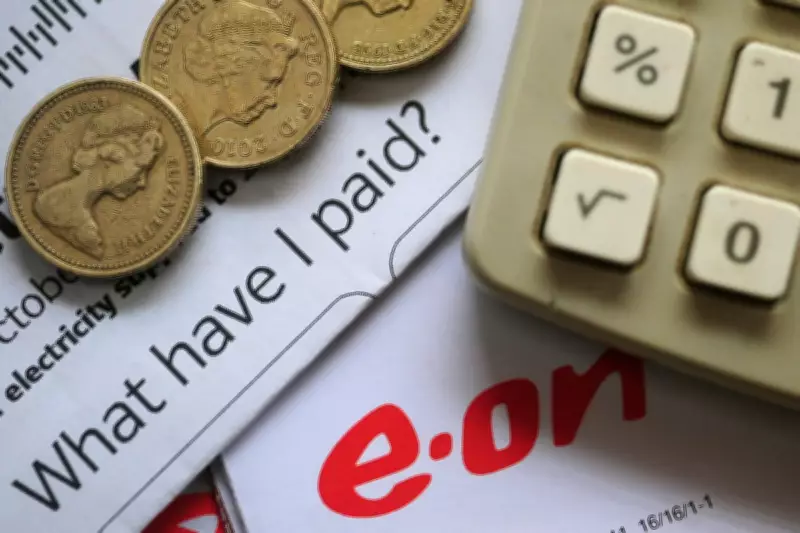
Household energy debt has more than doubled over the past three years, soaring to a staggering £5.5 billion, according to a stark warning from the energy industry. This escalating crisis is forcing typical customers to pay an additional £50 annually on their bills to cover the collective debt burden.
Millions in Debt Without Repayment Plans
Energy UK, the trade association representing energy firms, revealed that approximately two million households are currently in debt to their suppliers. Alarmingly, nearly three-fifths of these households are not on any formal repayment plans, leaving their arrears unmanaged.
Arrears – defined as payments that are owed or overdue – now constitute 75% of all unpaid energy bills. This means the majority of this mounting debt lacks structured repayment arrangements, increasing financial instability for both consumers and suppliers.

Compounding the issue, more than one million households have no registered details with their energy suppliers. This gap in data significantly heightens the risk of unmanaged debt spiraling further out of control.
Systemic Failures and Regulatory Shortfalls
The report from Energy UK suggests that a series of regulatory decisions have inadvertently made it easier for households to fall into debt while complicating recovery efforts. Efforts to address the crisis have thus far fallen short of what is required to stem the tide.
Energy UK highlighted that change of tenancy issues drive between 10% and 15% of total outstanding energy debt and arrears. A trial of new rules designed to tackle this problem has been proposed, but this initiative replaces an immediate rule change that would align the UK with practices in many other countries.
Financial Impact on All Energy Customers
This energy debt is ultimately borne by all households through their bills. Typical dual fuel customers who remain on the price cap see an extra £50 added to their annual costs. Meanwhile, standard credit customers – those who pay for their energy after usage – face an additional £140 per year due to a "debt allowance" embedded within tariffs.
Energy UK has issued a dire warning, projecting that total debt could escalate to over £7 billion by the end of 2026 without urgent and decisive intervention.
Calls for Coordinated Action and Reform
Dhara Vyas, Chief Executive of Energy UK, stated: "This is a massive crisis for the energy sector, which is facing unique challenges not seen by other utilities, and affects all energy customers, who end up paying more. Suppliers have a whole range of strategies for engaging and supporting customers, but with debt and arrears spiraling out of control, the industry can’t fix this problem alone."
Vyas emphasized that immediate and decisive action from both Ofgem and the Government is essential to stabilize the sector and protect households as well as the companies that supply them.
Energy UK is calling for a coordinated strategy involving the Government, Ofgem, energy suppliers, and debt advice agencies to address the problem comprehensively. Their proposals include:
- A targeted support scheme utilizing improved data collection on income, health, energy usage, and occupancy to identify households most in need of assistance.
- A reconsideration of restrictions on the increased adoption of smart prepayment meters where appropriate, enabling the industry to safely support customer budgeting while allowing suppliers to provide necessary support efficiently.
Regulatory Responses and Ongoing Challenges
The report acknowledged Ofgem's Debt Relief Scheme, which aims to write off £500 million in debt, as a "welcome first step." However, it criticized the scheme for "failing to grasp the scale of the crisis." The limited scope and delayed rollout are unlikely to deliver meaningful and sustainable reductions in debt levels, according to Energy UK.

This warning comes just one day after Ofgem announced a reduction in the energy price cap by £117 to £1,641 per year for a typical dual fuel household, effective from April 1. Despite this decrease, which sets the maximum charge per unit of gas and electricity, domestic energy costs remain approximately one-third higher than before Russia's invasion of Ukraine triggered the European energy crisis.
The persistent elevation in energy costs, combined with systemic issues in debt management and regulatory frameworks, underscores the urgent need for a holistic and robust response to prevent the debt crisis from worsening further.