UK Implements Euro 7 Emissions Standard for New Vehicles from November 2026
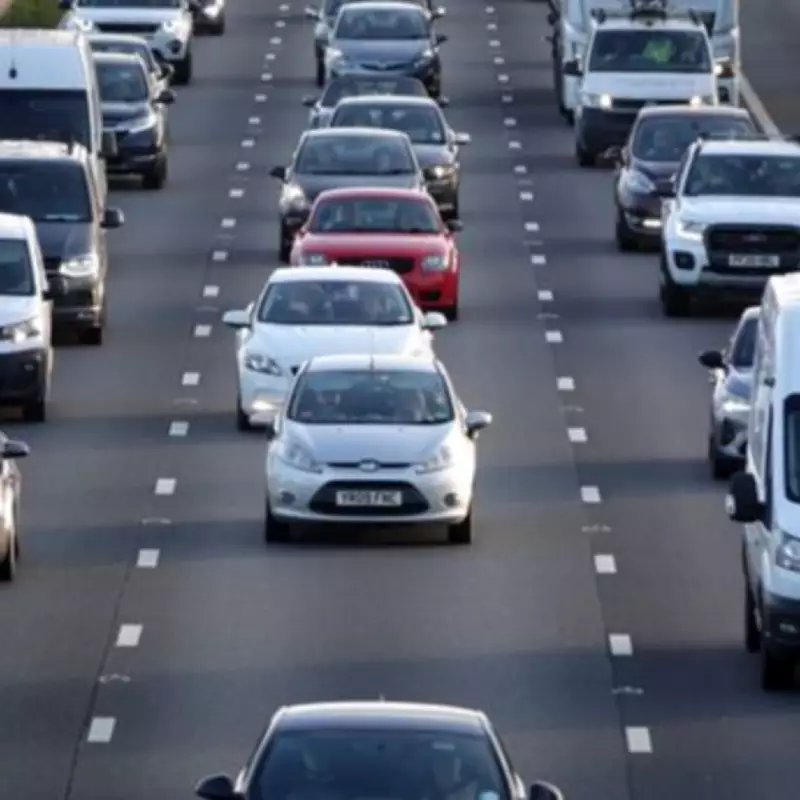
Starting November 29, 2026, all newly registered cars and vans in the United Kingdom will be required to adhere to the Euro 7 emissions standard, marking a significant shift in environmental regulations for the automotive sector. This new rule, designed to reduce harmful pollutants, will impact both exhaust and non-exhaust emissions, including particles from tyres and brakes, and applies to all vehicle types, including electric models.
Stricter Limits and Extended Compliance
The Euro 7 standard mandates lower nitrogen oxides (NOx) emissions and extends the compliance period to 10 years or 200,000 kilometres, doubling the durability requirement from the previous Euro 6 standard. This change is expected to influence UK manufacturers and potentially affect the prices of new cars, as companies adapt to meet the stricter criteria.
Historical Context and Global Impact
Emissions standards in Europe date back to 1970, with the first EU-wide standard, Euro 1, introduced in 1992, which required catalytic converters on new vehicles. The evolution has led to the current Euro 6, implemented in 2015, and now Euro 7, which is the most rigorous regulation to date. Vehicle emissions are a major contributor to local air pollution and global greenhouse gases, with transport accounting for up to 28% of total CO2 emissions in the UK and approximately 25% in the EU, according to the European Environment Agency.

Poor air quality, linked to pollutants like NOx and particulate matter, is estimated by the World Health Organization to contribute to around seven million deaths worldwide annually, highlighting the urgency of such regulations.
Implementation Timeline and Key Measures
The rollout of Euro 7 was initially expected in mid-2025 but was delayed due to debates over its strictness. According to Regulation (EU) 2024/1257, the implementation will occur in two main stages for light vehicles:
- November 29, 2026: This deadline applies to new type approvals for passenger cars (M1) and vans (N1), meaning brand new models cannot be launched without meeting Euro 7 standards.
- November 29, 2027: All cars and vans on sale, including those introduced before Euro 7, must comply with the new emissions standards.
Other vehicle types, such as buses, trucks, and trailers, will have separate implementation dates in the future. The RAC notes that predicting the next emissions standard is challenging, but based on past trends, Euro 7 may remain in place for four to six years.
Key Features of Euro 7
Euro 7 introduces several innovative measures to enhance environmental performance:
- Environmental Vehicle Passport: Every new vehicle will receive a digital passport upon registration, detailing its environmental performance and compliance data.
- Extended Compliance Lifetime: Vehicles must maintain emissions below limits for 10 years or 200,000 kilometres, a significant increase from Euro 6 requirements.
- EV Battery Testing: Electric vehicles and plug-in hybrids will undergo testing for battery degradation, with minimum service-life requirements. Batteries must retain 80% of original capacity after five years or 60,000 miles, and 72% after eight years or 100,000 miles.
This comprehensive approach aims to balance environmental protection with the automotive industry's capabilities, setting a new benchmark for vehicle emissions in the UK and beyond.