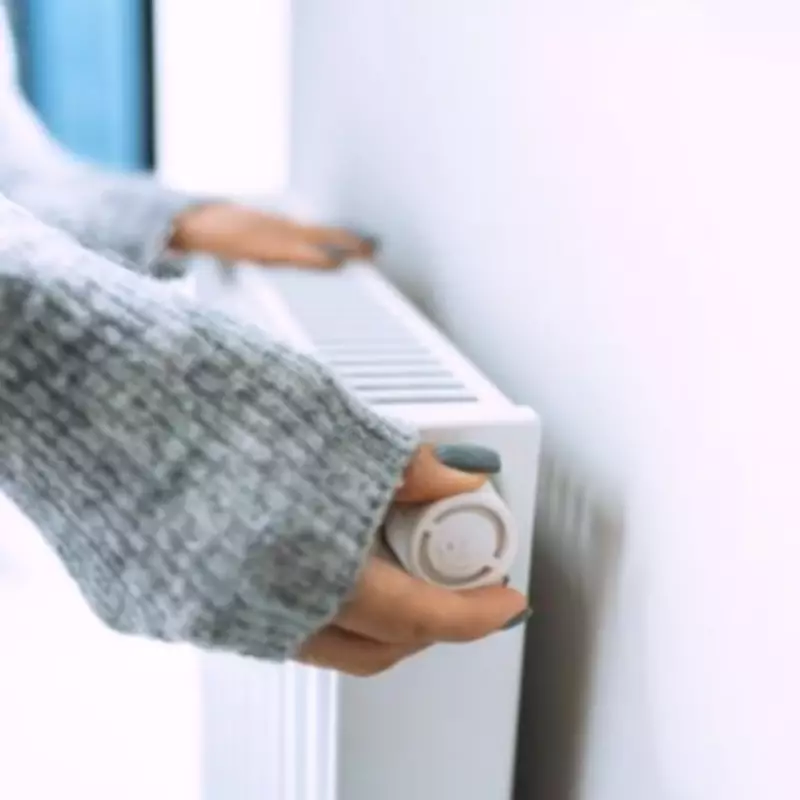
Five Essential Tips to Reduce Heating Costs and Improve Radiator Efficiency
As winter persists, many households continue to grapple with the chill, making efficient heating systems crucial for comfort and cost savings. Poorly functioning radiators not only compromise warmth but also lead to unnecessary energy expenditure, impacting your finances. Fortunately, addressing common radiator issues can be straightforward and effective, ensuring your home stays cozy without breaking the bank.
Clean and Clear Your Radiators
One of the most basic yet impactful steps to enhance radiator performance is to remove any objects placed on or underneath them. Items such as furniture, curtains, or decorative pieces can obstruct airflow, preventing heat from circulating properly throughout the room. By keeping radiators unobstructed, you allow for optimal heat distribution, which can significantly improve efficiency and reduce energy waste.
Dust Your Radiators Regularly
Similar to decluttering, regular dusting is essential for maintaining radiator efficiency. Over time, large particles of dust and lint can accumulate within the radiator's core, blocking air passages and hindering heat output. A simple wipe-down with a damp cloth or using a vacuum cleaner attachment can help clear these obstructions, ensuring smooth air circulation and better heating performance.

Balance Your Radiator System
If certain rooms in your home remain consistently cold while others overheat, balancing your radiator system might be the solution. This process involves adjusting the valves on individual radiators to ensure an even distribution of hot water throughout the house. Well-balanced radiators provide uniform temperatures, allowing you to maintain comfort in every room without constantly adjusting the thermostat, ultimately leading to energy savings.
Bleed Trapped Air from Radiators
A common issue where radiators feel cold at the top but warm at the bottom indicates trapped air inside the system. This air occupies space meant for hot water, reducing the radiator's ability to heat effectively. Bleeding the radiator involves releasing this air through a valve, typically using a radiator key. By doing so, you restore proper water flow and improve heating efficiency, often resulting in noticeable warmth and lower energy bills.
Remove Sludge Buildup
In some cases, radiators may be hot at the top but cold at the bottom, a sign of sludge accumulation. Radiator sludge, composed of rust, dirt, and scale, builds up over time and circulates within the heating system. This not only impairs radiator performance but can also cause boiler breakdowns and accelerate system aging. Addressing sludge promptly through flushing or using chemical cleaners can prevent costly repairs and enhance overall heating efficiency.
Implementing these five tips can transform your heating system, ensuring it operates at peak efficiency during the colder months. By taking proactive steps to maintain your radiators, you not only improve home comfort but also achieve significant savings on your heating bills, making winter more manageable and affordable.