Fuel Prices Set to Soar After US-Israeli Strikes on Iran Disrupt Oil Trade
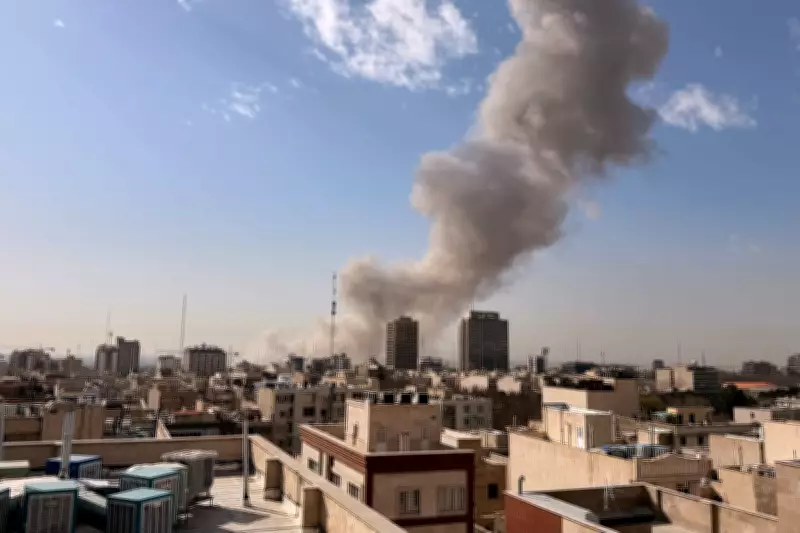
Drivers across the United Kingdom are bracing for significant increases in petrol prices following a dramatic escalation of conflict in the Middle East. Overnight strikes conducted by the United States and Israel against Iranian targets have triggered retaliatory actions from Tehran, creating severe disruption to global oil distribution networks.
The attacks, which Iranian media reports indicate have killed at least 201 people, have targeted locations in the United Arab Emirates, Qatar, Bahrain, Jordan, and Iraq. In response, several major oil companies and tanker owners have immediately suspended shipments of crude oil, fuel, and liquefied natural gas through the critically important Strait of Hormuz.
Immediate Impact on Oil Markets and Shipping
Edmund King, the president of the Automobile Association (AA), has issued a stark warning to motorists. "The turmoil and bombing across the Middle East will surely be a catalyst to disrupt oil distribution globally, which will inevitably lead to price hikes," Mr King told The Times. He further cautioned that drivers could be facing record prices at petrol pumps within the next ten to twelve days.

Oil prices are anticipated to surge sharply when the New York Futures market opens. The disruption centres on the Strait of Hormuz, the world's most vital oil export route. This narrow shipping lane connects major Gulf oil producers—including Saudi Arabia, Iran, Iraq, and the UAE—with the Gulf of Oman and the Arabian Sea. Approximately twenty percent of global oil and gas flows through this strategic passage.
Shipping Halts and Naval Warnings
The situation on the water is rapidly deteriorating. Satellite imagery from tanker tracking services shows vessels accumulating near major ports like Fujairah in the UAE, with movement through the Strait of Hormuz effectively halted. A senior executive at a major trading desk confirmed, "Our ships will stay put for several days."
Adding to the tension, multiple vessels in the region have reportedly received VHF radio transmissions from Iran's Revolutionary Guards stating that "no ship is allowed to pass the Strait of Hormuz." This claim was relayed by an official with the European Union's naval mission, Aspides. However, the UK Navy has advised that Iran's orders lack legal authority and has recommended that vessels proceed with extreme caution. Iranian authorities have not formally confirmed issuing any such blockade order.
Broader Economic Consequences
The potential for a prolonged blockage of the Strait of Hormuz carries serious implications for the worldwide economy. Any sustained interruption to the flow of oil through this channel could trigger widespread energy shortages and exacerbate inflationary pressures. The combined US-Israeli military action and Iran's retaliatory strikes have therefore created a perfect storm for energy markets, with direct and immediate consequences for consumers at the fuel pump.
As the conflict continues to unfold, industry analysts and government agencies are closely monitoring the situation. The coming days will be critical in determining the full extent of the disruption to oil supplies and the subsequent impact on fuel prices for drivers both in the UK and around the globe.