Energy provider E.ON has issued a stark warning to UK households, urging them to check a common kitchen appliance at least once a year to avoid unnecessary spending on electricity bills. According to the company, freezers accumulating excess ice could be quietly guzzling more energy than required, potentially adding up to £30 extra annually to energy costs.
The Hidden Cost of Freezer Frost
Posting on its official website, an E.ON spokesperson explained that a thick layer of ice in a freezer is typically a sign the appliance is struggling. This inefficiency directly impacts energy use and monthly bills, as frost acts as an insulator, creating a barrier between the freezer's cooling elements and the food inside.
"Because of this, your freezer's compressor has to work extra hard for longer to maintain a set temperature," the spokesperson noted. "This increased workload equals higher electricity use and higher energy bills."

While £30 might seem minor spread over a year, E.ON emphasises that pairing this with other energy-saving methods could lead to significant cumulative savings for households across the country.
How Often Should Freezers Be Defrosted?
The general guideline is to defrost freezers at least once annually, though earlier action is recommended if ice build-up is noticed. E.ON listed several red flag signs indicating it might be time to flush out the freezer:
- Visible ice on interior walls, shelves, or drawers
- Difficulty closing the freezer door properly
- Reduced storage space inside the appliance
- Excessive frost on food, even when well packaged
- The freezer running almost constantly or making strange noises
A Step-by-Step Guide to Defrosting
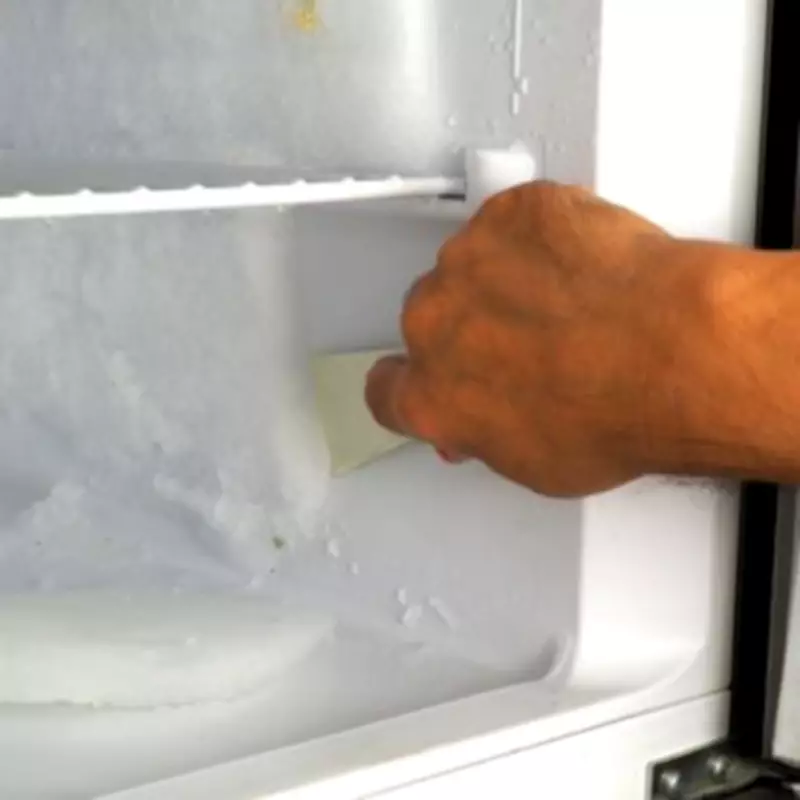
To properly defrost a freezer, E.ON recommends first emptying all food by using it up or storing it temporarily with neighbours or family. Gather essential tools like paper towels, an old cloth, shallow bowls, and a plastic ice scraper, avoiding metal tools that could damage the appliance.
Switch off and unplug the freezer, leaving the door open to let ice melt naturally. This is the safest method, though it can be slow, often requiring overnight time. Regularly replace towels and empty water bowls during the process.
Once all ice has melted, thoroughly wipe down the interior with a mild detergent solution, rinse with clean water, and ensure it dries completely to prevent re-frosting and mould growth.
Next, check door seals for damage, cracks, or dirt that could prevent a tight seal, cleaning them with warm, soapy water if necessary. Finally, plug the freezer back in, allowing it to cool to its optimal temperature of around -18°C before restocking with food.
E.ON's advice highlights how simple maintenance tasks can combat avoidable energy waste, helping households manage rising costs while ensuring appliances operate efficiently year-round.