Iran Escalates Threats to International Shipping in Critical Waterway
A senior commander from Iran's Revolutionary Guards has issued stark warnings that Tehran will "burn every ship" attempting to pass through the Strait of Hormuz, effectively declaring the vital maritime corridor closed. Brigadier General Jabbari, an adviser to the paramilitary force, made these incendiary remarks during a televised address on Monday, directly threatening global energy markets.
Direct Threats to Global Energy Supplies
"The Strait of Hormuz is closed. Anyone who wants to pass, our devotee heroes in the IRGC navy and the army will set those ships on fire," Jabbari declared on state television. "Don't come to this region." In a separate message posted on the Guards' Telegram channel, he expanded the threat: "We will also attack oil pipelines and will not allow a single drop of oil to leave the region. Oil price will reach $200 in the coming days."
The rhetoric from Tehran has sent shockwaves through global energy markets, with traders urgently assessing the risk that Iran could disrupt traffic through one of the world's most strategically important waterways. The Strait of Hormuz serves as a critical chokepoint for both oil and gas flows from the Middle East, accounting for approximately one-fifth of global liquefied natural gas trade.

Immediate Market Impact and Price Surges
Even the prospect of interference has driven wholesale gas prices sharply higher across Britain and Europe. Benchmark contracts have risen by more than 50 percent as markets respond to fears of tightening supply. Britain's benchmark NBP gas price jumped about 54 percent to around 122p per therm, with similar increases observed across European markets. Meanwhile, Brent crude oil rose roughly 9 percent to approximately $79 per barrel.
Analysts have warned that gas prices in Britain and Europe could triple if Iran successfully interrupts supply through the Strait of Hormuz. A closure lasting several weeks could push European gas prices back toward levels seen during the upheaval that followed Russia's invasion of Ukraine in 2022.
Potential Consequences for Household Bills
Under Britain's regulatory system, prolonged increases in wholesale costs inevitably feed through to household energy bills. Analysts at Stifel estimate that if gas prices were to triple from pre-crisis levels, the energy price cap could rise toward £2,500 annually from its current level of £1,641. This would place significant additional financial pressure on households already grappling with cost-of-living challenges.
"If LNG production from Qatar/UAE was disrupted, we see a repeat of 2022: European gas prices rising to bring LNG to Europe," explained Chris Wheaton, an analyst at Stifel. This scenario could mean prices surging to about three times their pre-attack levels, with European gas prices "returning to levels of at least €100/MWh" and British prices hitting 250p per therm.
Shipping Disruption and Regional Tensions
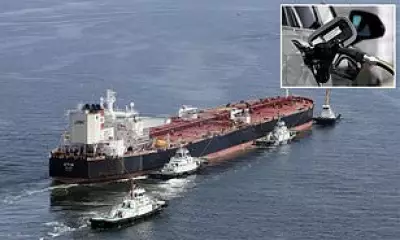
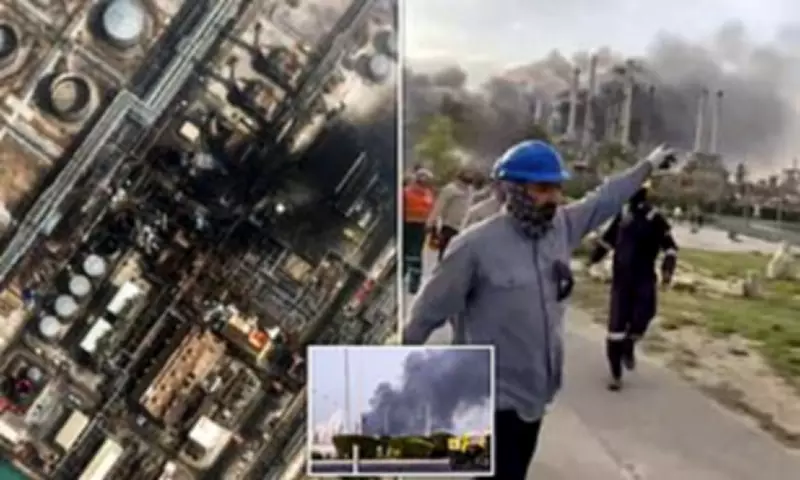
Shipping through the Strait of Hormuz has largely stalled following Iranian attacks on tankers, which Tehran claims are retaliation for US and Israeli strikes that killed the country's supreme leader, Ayatollah Ali Khamenei. Most of the LNG passing through the waterway originates from Qatar, with smaller volumes coming from the United Arab Emirates.
Although many cargoes are destined for Asian markets such as China and India, any interruption would increase competition for alternative supplies that typically serve Europe. Analysts note that the prospect of close to 20 percent of global LNG being cut off has driven the recent price spike, with the duration of any closure now representing the key question for traders.
European Vulnerability and Storage Concerns
Europe relies on LNG for approximately one-quarter of its gas consumption, and storage levels remain lower than usual after a cold winter. This leaves the continent particularly vulnerable if disruption persists. The current situation has exposed Europe's ongoing energy security challenges, despite efforts to diversify supplies following the 2022 crisis.

Fuel Shortages and Panic Buying in Britain
The conflict in the Middle East has already affected fuel transport to Western nations, with companies suspending sailing through the Strait of Hormuz following Iranian attacks on ships and ports. Oil prices have subsequently skyrocketed, with the global benchmark Brent crude hiking by approximately 13 percent to the highest level recorded since July 2024.
This has triggered panic buying at British petrol stations, with many locations reporting fuel shortages. Valero Garage in Beckenham, south London, completely ran out of petrol on Monday evening after dozens of locals rushed to fill their tanks. A worker revealed that some residents even arrived with petrol cans in a bid to boost their longer-term fuel supplies.
Signs reading "Sorry out of use" were spotted at the nearby BP fuel station in Croydon, while pictures from stations across the nation showed thousands of Brits refuelling before prices are rumoured to surge further. Despite the AA advising drivers "not to panic buy" petrol and diesel on Monday ahead of possible cost increases, many appear to have ignored this guidance.
The situation remains fluid, with global markets closely monitoring Iran's next moves and the potential for further escalation in one of the world's most critical energy corridors.