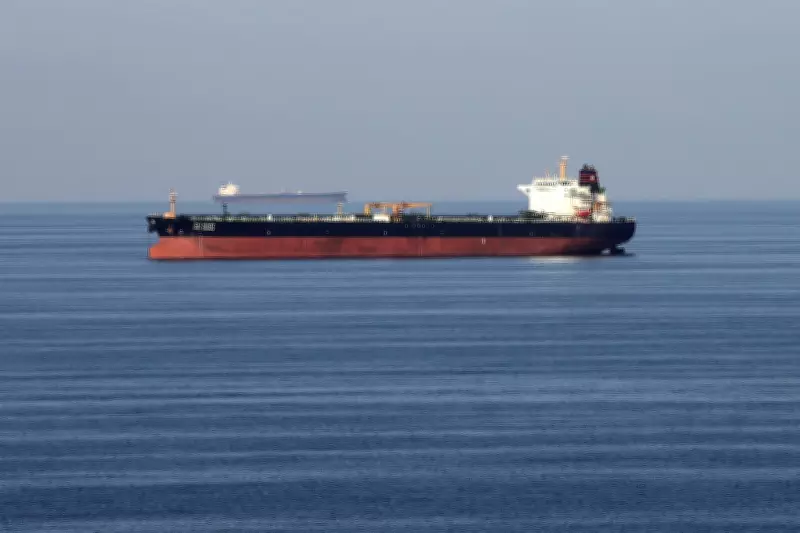
Iran's Strait of Hormuz Control Sparks Global Oil and Gas Supply Crisis
Iran's declaration of "complete control" over the strategic Strait of Hormuz has plunged global energy markets into turmoil, with maritime traffic through this vital shipping corridor collapsing by 80% as conflict escalates in the Middle East. The dramatic reduction in vessel movements is creating severe bottlenecks for oil and gas supplies worldwide, threatening to send crude prices soaring into triple digits.
Strategic Waterway Paralyzed by Conflict
The Strait of Hormuz, a narrow passage connecting the Persian Gulf to the Gulf of Oman, serves as the transit point for approximately one-fifth of global oil consumption and up to one-third of liquefied natural gas supplies. "Currently, the Strait of Hormuz is under the complete control of the Islamic Republic's Navy," declared IRGC Navy official Mohammad Akbarzadeh on Wednesday, confirming Iran's grip on this critical maritime artery.
This assertion follows retaliatory actions after US missiles sank several Iranian ships earlier in the week. According to Lloyd's List Intelligence data, maritime traffic through the strait had already plummeted by 80% by Sunday, with some reports indicating reductions as high as 94% since Saturday. The Joint Maritime Information Centre based in Bahrain reported that only three vessels passed through the strait, compared to the typical daily average of 138 ships.

Geographic and Economic Significance
The strategic importance of the Strait of Hormuz cannot be overstated. This 100-mile-long waterway narrows to just 21 miles at its most constricted point, with shipping lanes measuring only 2 miles wide in each direction. Despite being flanked by Iranian and Omani territorial waters, it has traditionally been treated as an international passage open to all maritime traffic.
Key facts about the strait's economic significance include:
- Approximately 20 million barrels of oil pass through daily
- Over 500 million barrels of oil transit monthly
- Six million tonnes of liquefied natural gas move through each month
- Around 3,000 shipping vessels use the passage monthly
- Primary destinations include China, India, and Japan
Escalating Tensions and Military Posturing
The IRGC has issued threats to set fire to any ships attempting unauthorized passage through the strait, while former President Donald Trump has pledged US naval escorts for oil tankers "if necessary." In a statement on Truth Social, Trump declared, "No matter what, the United States will ensure the FREE FLOW of ENERGY to the WORLD." He further announced plans to deploy the U.S. International Development Finance Corporation to provide political risk insurance for maritime trade through the Gulf.
The conflict has already resulted in significant casualties and damage. At least four tankers have reportedly been struck during the hostilities, with one Indian crew member confirmed dead and multiple injuries reported. Maritime insurers have withdrawn coverage from the region, while approximately 150 vessels have dropped anchor near the strait awaiting safer passage conditions.
Global Economic Implications
Energy analysts warn that prolonged disruption could have devastating consequences for global markets. "The scale of what is at stake cannot be overstated," emphasized Hakan Kaya, senior portfolio manager at Neuberger Berman. While temporary slowdowns might be absorbed by oil companies' reserves, a complete or near-complete closure lasting a month or longer could push crude prices "well into triple digits" and elevate European natural gas prices to crisis levels comparable to those witnessed in 2022.
China and Japan, both heavily dependent on Middle Eastern energy imports, have urgently called for de-escalation. A Chinese foreign ministry spokesperson confirmed that Beijing would take necessary measures to safeguard its energy security amid the growing supply uncertainty.

The current crisis represents the most significant closure of the Strait of Hormuz since the 1980s, surpassing even the disruptions experienced during the 12-day Iran-Israel conflict in June. With limited alternative pipeline capacity available through Saudi Arabia and the UAE, the global energy supply chain faces unprecedented strain as diplomatic and military tensions continue to mount.