With energy bills remaining persistently high throughout the colder months, experts have unveiled straightforward methods to enhance appliance efficiency and achieve substantial savings. As Britain continues to experience chilly weather, many households rely heavily on central heating, keeping energy expenditures elevated.
The Impact of Inefficient Appliances
Household appliances such as refrigerators, washing machines, and tumble dryers often operate less efficiently during winter, driving up costs unnecessarily. When these devices are overworked, they not only increase energy consumption but also raise the risk of breakdowns and expensive repairs.
Refrigerator and Freezer Adjustments
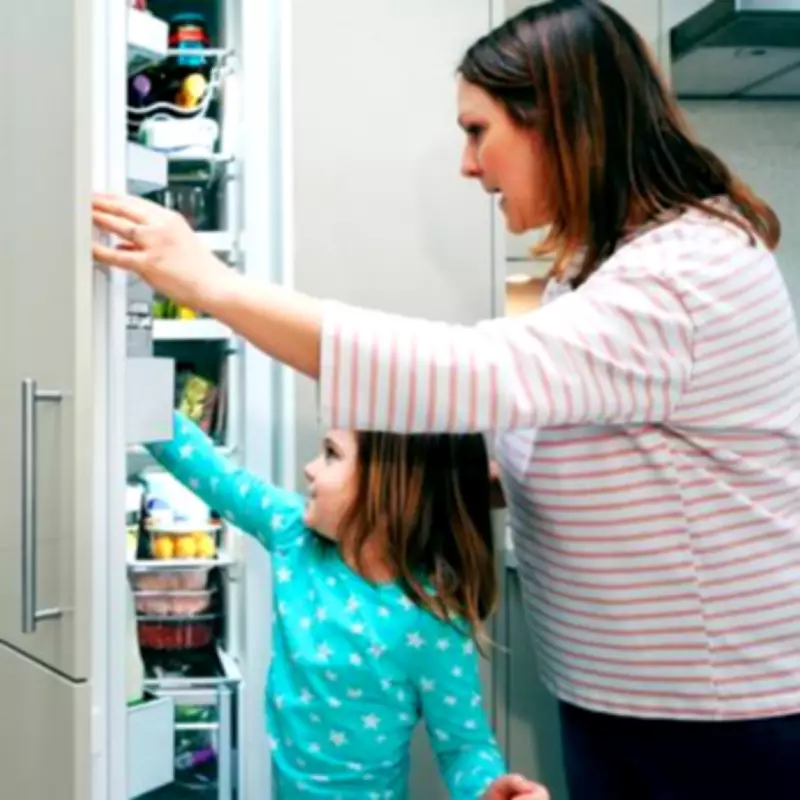
Specialists from Hisense, in collaboration with Express.co.uk, emphasize that checking temperature settings is a crucial first step. Refrigerators should be set between 3°C and 5°C, while freezers are optimal at -18°C. Operating these appliances at colder temperatures forces them to labour unnecessarily, spiking energy usage.

Given that refrigerators account for an average of £180 annually in British households, regular temperature checks are essential for cost control. Additionally, positioning your fridge indoors within a heated environment is vital; placing it in unheated spaces like sheds or garages can lead to malfunctions in freezing conditions, resulting in costly repairs.
Freezer Maintenance for Efficiency
Defrosting your freezer regularly can lead to significant savings. Ice accumulation not only reduces storage capacity but also compels the appliance to work harder to maintain proper temperatures, increasing energy bills. Promptly addressing ice buildup is a simple yet effective way to enhance efficiency.
Washing Machine Care
Regular maintenance of washing machines is key to preventing unnecessary expenses and ensuring peak performance. Experts recommend running a maintenance cycle every couple of months by conducting an empty wash with hot water and a cup of white vinegar. This process clears detergent residue and mould buildup, which is more prevalent in winter.
When laundering heavier items like jumpers and coats during colder seasons, it is important to balance the load evenly in the drum. Proper weight distribution avoids straining the motor and reduces the risk of machine damage.
Tumble Dryer Safety and Savings
After transferring laundry to the tumble dryer, always check the weight and clear the lint catcher thoroughly. This practice not only lowers the risk of damage to the dryer but also mitigates the danger of house fires. With an average usage of four times per week, tumble dryers cost UK households approximately £254 annually. Regularly cleaning the lint filter and ensuring vents are unobstructed can improve efficiency and help keep costs manageable.
By implementing these expert-recommended adjustments, households can achieve noticeable reductions in energy bills while maintaining appliance longevity and safety.