Middle East Conflict Sends Global Energy Markets into Turmoil
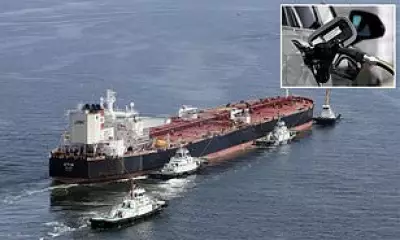
Global gas prices have skyrocketed by 30% following a series of devastating Iranian drone attacks that have crippled key energy infrastructure across the Middle East. The assaults have forced the shutdown of Qatar's liquefied natural gas (LNG) production facilities and completely destroyed the world's largest oil refinery located in Saudi Arabia. This unprecedented disruption to energy supplies has triggered immediate panic in international markets, with analysts warning of prolonged economic repercussions.
Military Escalation and Regional Fallout
The conflict intensified dramatically when three US F-15 fighter jets were shot down over Kuwait in what appears to be a catastrophic friendly fire incident. Video footage circulating online shows a $90 million warplane engulfed in flames, though all crew members reportedly managed to parachute to safety. This military blunder has further complicated the already volatile situation, raising questions about coordination among allied forces.
Meanwhile, British military installations have come under direct threat. The Royal Air Force successfully intercepted and destroyed two drones near a British base on Cyprus after Iran launched a second wave of attacks targeting the island. Smoke was seen rising from the vicinity of the base, prompting the Ministry of Defence to evacuate military families as a precautionary measure.

Political Reactions and Diplomatic Tensions
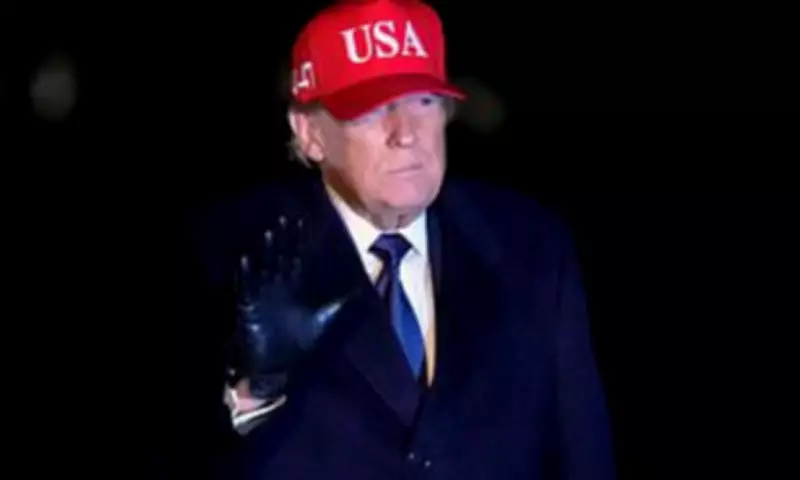
Former US President Donald Trump has publicly expressed his disappointment in British Prime Minister Keir Starmer, condemning what he perceives as a weak response to the Iranian aggression. Starmer has defended his position, stating that while the US can launch defensive strikes on Iranian missile sites from UK bases, Britain will not participate in offensive actions. This stance has sparked intense debate about the UK's role in the conflict and its implications for transatlantic relations.
The Green Party's deputy leader has joined pro-Tehran demonstrations, highlighting the domestic political divisions emerging in response to the crisis. Meanwhile, Vladimir Putin has condemned the killing of Iran's Ayatollah Khamenei as a cynical violation of international law, signaling potential alignment among anti-Western powers.
Humanitarian Crisis and Evacuation Efforts
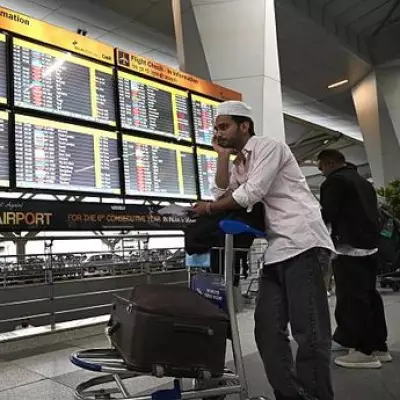
Approximately 94,000 British nationals are currently trapped in Gulf states as airspace closures in Dubai and Abu Dhabi prevent commercial flights from operating. The UK government is reportedly developing overland evacuation routes through Saudi Arabia in what could become one of the largest peacetime rescue operations in British history. Already, 100,000 Britons have registered for evacuation assistance through Foreign Office channels.
In Dubai, residents including numerous celebrities and influencers have described taking shelter in basements as explosions rocked the emirate. Despite the attacks, some public figures including Vicky Pattison and Luisa Zissman have insisted that Dubai remains in the safest country in the world, though their assertions contrast sharply with the reality on the ground.
Economic Consequences and Market Reactions
The FTSE 100 experienced a significant tumble as news of the conflict spread, while oil prices surged dramatically. The super-rich elite are reportedly paying up to £260,000 for seats on private jets to flee the Middle East, underscoring the desperation among wealthy expatriates. The long-term implications for Dubai's property market, tourism industry, and expatriate community appear profound, with many questioning whether the emirate's economic miracle can survive such sustained instability.
Iran's military strategy appears economically calculated—their drones cost approximately $35,000 to manufacture but require $4 million worth of Western missiles to intercept. This asymmetric warfare approach allows Tehran to sustain attacks indefinitely while draining allied defense resources, with Western missile supplies potentially running out within weeks according to some estimates.

Broader Security Implications
European security officials have expressed concern that Tehran's missiles can reach deep inside Europe, with warnings about sleeper terror cells potentially ready to unleash chaos across the continent. The European Union remains divided on how to respond to the Middle East conflict, struggling to reach consensus on appropriate measures.
The death toll continues to climb, with four US troops confirmed killed in the conflict so far. President Trump has warned Americans that the war could last for weeks, vowing to avenge fallen soldiers while outlining a four-week strategic plan in an exclusive interview.
This developing situation represents one of the most significant geopolitical crises in recent memory, with implications extending far beyond the Middle East to affect global energy security, financial markets, and international diplomatic relations.