Middle East Crisis Sparks Fears of Soaring UK Energy Bills
British households could face a sharp increase in their energy bills if the escalating crisis in the Middle East leads to prolonged disruptions in gas exports, industry experts have warned today. Analysts are predicting significant volatility in global energy prices in the coming days, as Iran retaliates against recent US and Israeli military strikes.
Critical Shipping Route Under Threat
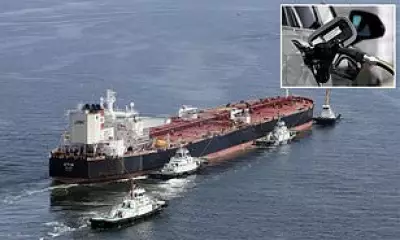
Iran has issued warnings to ships against passing through the strategically vital Strait of Hormuz, a narrow waterway through which approximately one-fifth of the world's oil and gas supplies travel. In a concerning development, some vessels have already been attacked, while Tehran has launched retaliatory missile and drone strikes across several nations including Cyprus, Kuwait, Qatar, Iraq, the United Arab Emirates, and Bahrain.
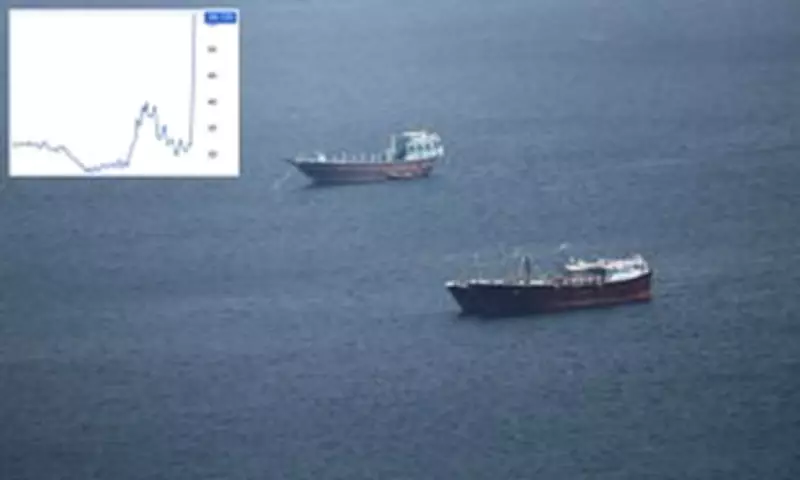
This escalating situation has caused at least 150 tankers to drop anchor in open Gulf waters beyond the Strait of Hormuz, creating significant bottlenecks in global energy transportation networks.

European Gas Prices Spike Dramatically
European gas prices have surged dramatically since the US and Israeli military actions, currently trading near 60 euros per megawatt-hour. While this remains below the all-time peak of over 300 euros per megawatt-hour reached during the 2022 energy crisis triggered by Russia's invasion of Ukraine, the recent price swings represent the most significant volatility witnessed since that period.
Energy specialists have cautioned that extended disruptions to gas exports from major producers like Qatar and the United Arab Emirates could potentially trigger a repeat of the 2022 energy crisis scenario.
Potential Impact on UK Energy Price Cap
In a detailed research note, investment bank Stifel has projected that European gas prices reaching 100 euros per megawatt-hour would be sufficient to drive the UK's energy price cap up to £2,500 annually. The current price cap stands at £1,758 per year and is scheduled to decrease to £1,641 starting April 1st.
Jess Ralston, head of energy at the Energy and Climate Intelligence Unit, expressed concern about the UK's preparedness, stating: 'The Energy Crisis Commission warned that the UK remained dangerously underprepared for another energy crisis. Nobody knows exactly how the next few weeks will play out, but with homes and businesses still facing the debt and after-effects of the last gas crisis, people will understandably be concerned.'
Market Volatility and Supply Concerns
Britain's benchmark gas price, known as NBP, experienced a dramatic 54 percent leap on Monday alone. Meanwhile, Brent crude, the global benchmark for oil prices, rose approximately 9 percent to 79.40 US dollars per barrel.
Adding to supply concerns, Qatar's state-owned energy company QatarEnergy has temporarily halted its production of liquefied natural gas following Iranian attacks on some of its facilities. While the UK has become less reliant on Qatari LNG since the Ukraine crisis—with Qatar supplying about 6.5 percent of UK LNG imports over the past year compared to approximately 69 percent from the United States since 2023—this disruption could increase competition for LNG from alternative sources, potentially pushing global prices even higher.
Expert Analysis on Long-Term Implications
Dr Craig Lowrey, principal consultant at Cornwall Insight, explained the UK's vulnerability: 'The UK's dependence on global gas markets means movements in international wholesale prices feed directly into domestic bills. The situation in the Middle East and the risk of disruption to liquefied natural gas shipments through the Strait of Hormuz pushed gas prices up yesterday and further again today.'
He added important context for consumers: 'For those customers on the price cap, the April to June price is now set, and therefore there should be no immediate impact on bills. Looking ahead, the cap is calculated using an average wholesale price over three months, and we are only at the very start of the July to September assessment period, so the long-term impact will depend on how long gas prices stay elevated and how long this period of volatility remains.'

Cornwall Insight has further warned that prolonged uncertainty around energy supplies could make summer refilling operations more challenging and gradually increase price pressure for the coming winter, although they noted there is currently 'no suggestion of immediate system stress.'