Middle East Conflict Triggers Sharp Rise in Oil Prices and Inflation Fears
The escalating conflict in the Middle East has sent shockwaves through global energy markets, with oil prices jumping significantly as tensions between the US and Iran intensify. On Monday, Brent crude oil surged by approximately $6, reaching about $79 per barrel, marking an 8.5% increase. This spike follows a series of tit-for-tat attacks over the weekend, highlighting the immediate economic repercussions of the unpredictable crisis.
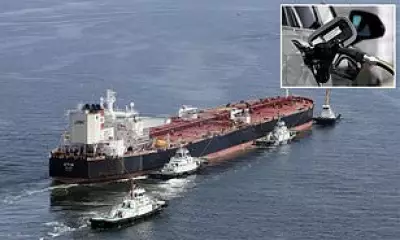
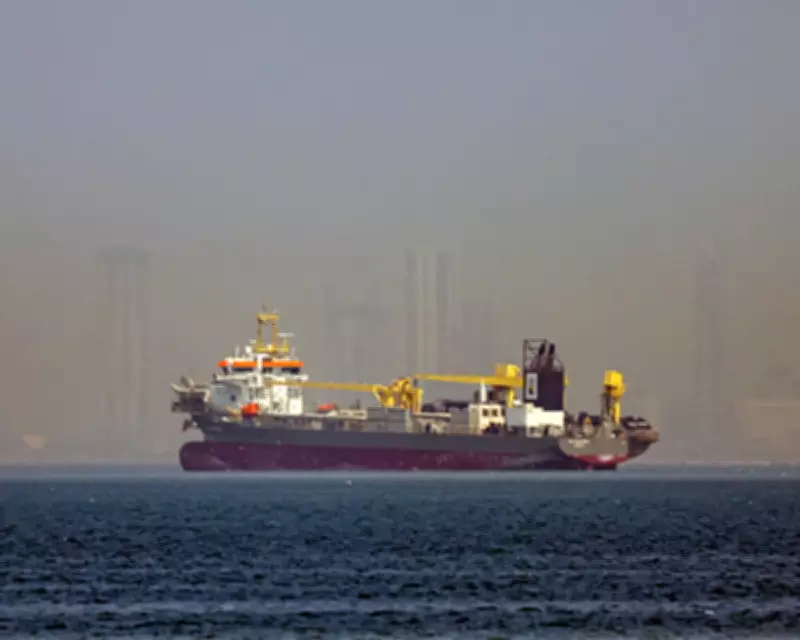
Natural gas prices have also soared, with benchmark European rates climbing 38% after QatarEnergy halted production at key sites due to drone attacks. The Strait of Hormuz, a critical waterway carrying around 20% of global oil supplies, faces growing disruptions, with tankers avoiding the route and insurers reluctant to provide coverage. Some reports indicate ships are also steering clear of the Suez Canal, potentially driving up shipping costs for various goods beyond crude oil.
Economic Ripple Effects and Inflation Concerns
Rising energy costs are poised to hit consumers hard, particularly in net importers like the UK and parts of Asia and Europe. The US, with its shale oil reserves and strategic petroleum stockpiles, may be better insulated, but prolonged high prices could influence Federal Reserve decisions on interest rates, potentially delaying cuts desired by political figures such as Donald Trump.

Analysts warn that oil could exceed $100 per barrel if the conflict escalates, with Goldman Sachs projecting a worst-case scenario where a month-long blockade of the Strait of Hormuz adds $15 to prices. While OPEC+ has signaled modest quota increases to mitigate supply issues, the timing is challenging for policymakers who had recently tackled post-pandemic inflation spikes.
Central banks, including the Bank of England, are monitoring the situation closely, with inflation expectations remaining elevated. The likelihood of a rate cut at the Bank's upcoming meeting has decreased from 80% to 69%, reflecting fears of renewed price pressures. Economists emphasize that the duration of the oil price shock is as crucial as its magnitude, with sustained high levels potentially boosting inflation in developed markets by up to 0.8% and forcing interest rate hikes.
Broader Impacts on Global Markets and Growth
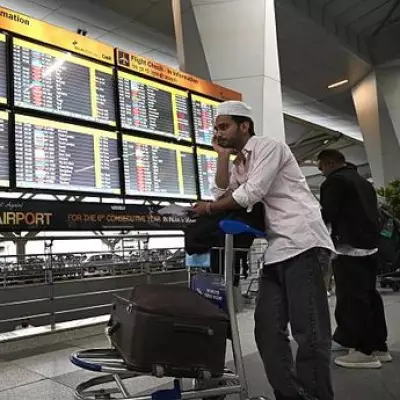
Beyond energy, the conflict threatens economies in the Middle East that rely on tourism and business, such as Dubai, as global news coverage of attacks damages their appeal. The broader economic fallout could include slower growth as consumers face squeezed budgets from higher costs.
Neil Shearing, chief economist at Capital Economics, notes that if oil prices stabilize quickly, the inflationary impact may be short-lived. However, a prolonged surge to $90-100 per barrel could lead to significant economic headwinds, including reduced consumer spending and potential recessions in vulnerable regions.
This crisis underscores the fragile state of global energy markets, with unpredictable conflicts posing ongoing risks to stability and growth. As the situation evolves, stakeholders worldwide are bracing for further volatility in prices and economic indicators.