Octopus Energy Boss Warns of Market Turmoil Amid Middle East Conflict
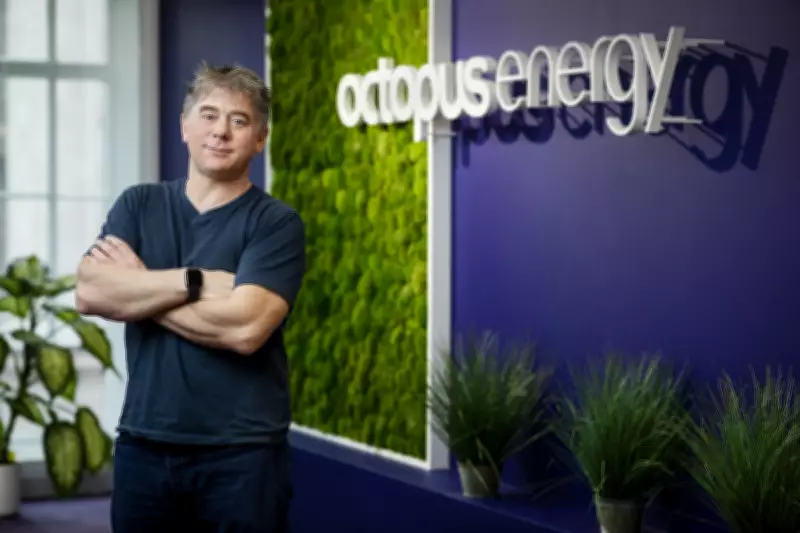
The chief executive of Octopus Energy, Greg Jackson, has issued a stark warning that energy markets are currently "in turmoil" due to the escalating conflict in the Middle East. This disruption has led to a dramatic doubling of wholesale gas prices in just one week, prompting significant changes in the UK's energy supply landscape.
Fixed-Price Tariffs Under Pressure
As the UK's largest household energy supplier, Octopus Energy has responded to these market pressures by increasing its fixed-price tariffs and introducing exit fees for customers on these plans. This move mirrors actions taken by other major suppliers, many of which have completely withdrawn fixed-price tariff deals from the market.
According to data from Uswitch, the number of available fixed deals has more than halved since attacks began between Iran and US-Israeli forces. The remaining fixed deals, which are more closely tied to wholesale prices than variable tariffs, have seen substantial price increases.

Impact on Household Energy Bills
Most UK households currently benefit from variable deals protected by the energy price cap, which is set to lower typical bills in April. However, experts predict a likely 10% increase from July, primarily driven by higher gas prices. Greg Jackson explained to Times Radio that energy companies must pass on some wholesale price increases to fixed-rate customers.
"Fixed tariffs are based on the fact the day you want to take out a fixed tariff, the energy company goes to the wholesale market and buys a year's worth of energy for you," Jackson stated. "Because the wholesale market is now reflecting at least some of the cost increases from the effects of the war in the Middle East, new fixed tariffs are then higher."
Market Instability and Supply Disruptions
Jackson highlighted specific factors contributing to the market chaos, noting that Iran has effectively closed the Strait of Hormuz, which transports 20% of the world's oil and gas supplies. Additionally, Qatar has declared it cannot honour its gas delivery contracts. "The energy markets are in a state of turmoil," Jackson emphasised, adding that he is "keeping a very close eye on the situation."
He revealed that fixed tariffs are now typically £100 more expensive annually than before the conflict began. While Octopus has introduced exit fees for customers leaving these deals since the conflict started, Jackson pointed out that many other suppliers already had such fees in place.
Broader Industry Response
The volatility has caused some companies to avoid offering fixed tariffs altogether due to uncertainty about locking in prices a year in advance. This industry-wide caution reflects the unprecedented challenges posed by the geopolitical tensions and their direct impact on global energy supplies.
As households and businesses brace for potential further increases, the situation underscores the fragile interdependence of global energy markets and regional conflicts, with immediate consequences for consumer energy costs across the United Kingdom.