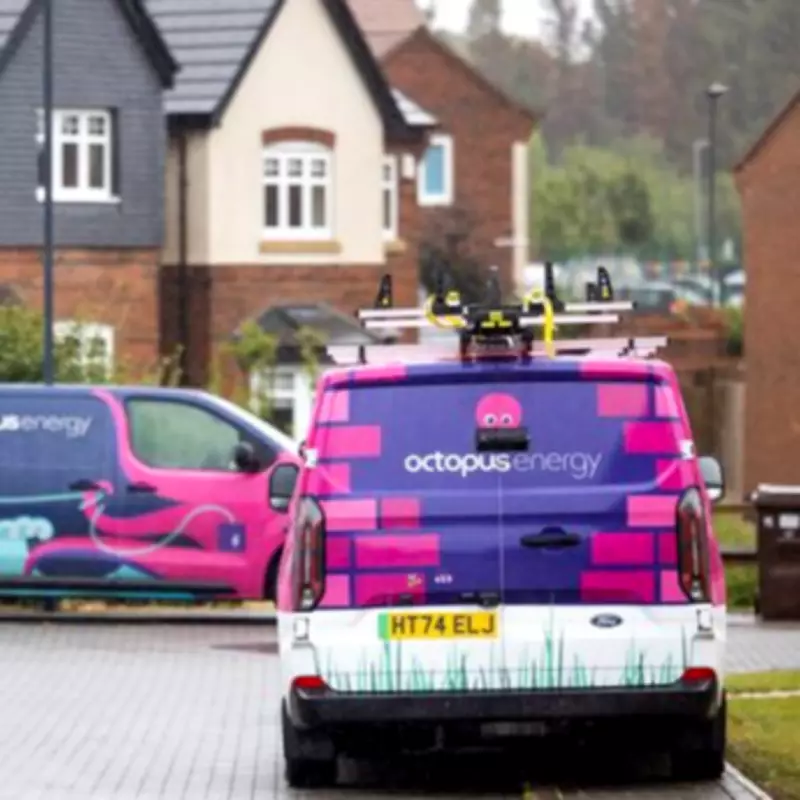
Octopus Energy, the UK's largest electricity supplier serving over 7.3 to 7.8 million households, has ignited a storm of customer fury by imposing new exit fees on fixed contracts, with charges escalating twice within a single week. The move, described by users as 'shameful' and potentially 'illegal', comes as the escalating Iran war sends oil and gas prices soaring, creating unprecedented volatility in wholesale energy markets.
Rapid Fee Increases Spark Outrage
In a controversial decision, Octopus Energy has introduced exit fees for new customers on fixed tariffs, raising them from zero to £50 and then to £75 in just seven days. This abrupt change has left many consumers feeling betrayed, with one customer taking to social media to express their dismay: 'Incredibly poor customer service from @OctopusEnergy to put the exit fees up from £0 to £50, then to £75 all in one week for customers looking to switch tariffs. Shameful.'
Another user echoed this sentiment, stating: 'Should be illegal. Why changed the rates too compared to last year.' The backlash has been widespread, with accusations of profiteering and concerns over transparency. One critic questioned: 'So will your prices come down when this gulf war ends, you were very quick to raise the price of gas by 50% the day after it started, smacked of profiteering to me, not the company you once were.'

Octopus Energy's Defence
In response to the outcry, Octopus Energy issued a detailed explanation, citing the 'super volatile market' driven by the Iran conflict as the primary reason for the fee adjustments. The company emphasised that fixed tariffs involve purchasing 12 months of energy upfront to secure stable unit rates, and the introduction of exit fees is necessary to maintain competitive pricing without 'pricing in' the risk of early customer departures.
A spokesperson stated: 'Historically, we usually haven't put exit fees on our tariffs, preferring to absorb these costs ourselves to give you total flexibility. But occasionally, when prices get really volatile, we've had to introduce them so we can continue to offer you the lowest possible fixed rates. The first time was in 2022, amid the energy crisis triggered by the war in Ukraine; the second came in March 2026, when prices soared during conflict involving Iran and the wider Middle East.'
They added: 'Exit fees ensure we don't have to 'price in' the risk of people leaving, which ultimately keeps your unit rates cheaper. In short, exit fees aren't there to trap you: they are a tool that allows us to offer cheaper long-term price certainty in an unpredictable market.'
Broader Market Implications
The Iran war has had a profound impact on global energy markets, with wholesale gas prices spiking significantly. Analysts from Cornwall Insight have warned that household energy bills could rise by 10% from July, driven by these sharp increases. Forecasts for Ofgem's price cap for July to September have surged to £1,801 annually for a typical dual fuel household, marking a £160 increase from April's cap.
Cornwall Insight described this rise as a 'cause for concern', noting that any escalation in gas prices would inevitably feed through to electricity costs. The final price cap will depend on how long the current period of volatility persists, with the three-month averaging period used by Ofgem playing a critical role in determining future bills.
Expert Advice for Consumers
Amid the turmoil, money-saving expert Martin Lewis has urged customers of major energy firms, including E.On, British Gas, OVO, and Octopus, to consider switching tariffs immediately. He warned: 'Important: If you can get off the Energy Price Cap right now, you should and urgently! The wholesale gas rate is spiking due to the Iran conflict, and it is a prime driver of UK electricity prices. If that's sustained (big if), it will likely push the Price Cap rate up from July.'
Lewis highlighted that some cheap fixed deals remain available, offering rates around 14% lower than the current price cap. However, he cautioned that many suppliers are reassessing their pricing strategies daily, and the best deals may disappear quickly. Additionally, he noted an unprecedented benefit: fixing a tariff now will result in a reduction of 7% to 9% on typical usage from 1 April, due to government changes in energy bill structures.

As the situation evolves, customers are advised to stay informed and explore all available options to mitigate the impact of rising energy costs. The conflict in the Middle East continues to cast a shadow over global markets, with households across the UK bracing for potential financial strain in the months ahead.