Oil and Gas Prices Skyrocket Amid Iran's Strait of Hormuz Threats
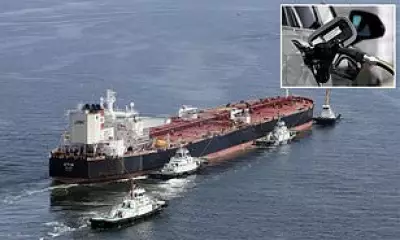
Oil prices have surged dramatically, with Brent crude reaching a one-year high of nearly $81 a barrel, as the Middle East conflict enters its fourth day. This significant increase is primarily driven by Iran's reported threat to block the crucial Strait of Hormuz shipping route, a vital passage for global oil supplies that handles approximately one-fifth of the world's oil transit.
Gas Prices Spike Following Qatar LNG Production Halt
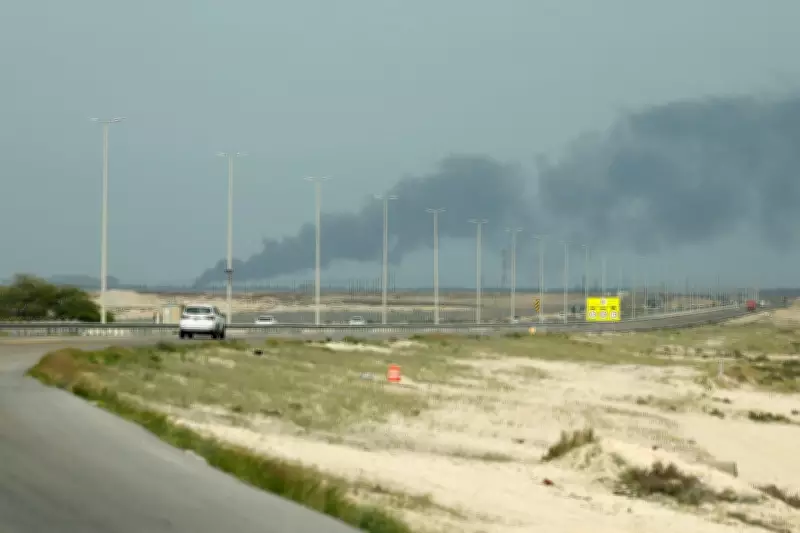
In a related development, gas prices experienced a sharp 52% rise on Monday after Qatar halted its liquefied natural gas production due to attacks by Iran. This disruption has exacerbated concerns over energy security, as Qatar is a major supplier of LNG to global markets, including Europe and Asia.
Mounting Concerns for UK Households

Experts warn that the ongoing conflict could lead to sharp increases in petrol and domestic energy bills, potentially impacting UK households in the coming months. The blockage of the Strait of Hormuz has already resulted in record-high costs for hiring oil supertankers, further threatening global supply chains and adding to inflationary pressures.
Global Market Reactions and Future Outlook
As the Middle East war intensifies, markets have slumped in response to the heightened geopolitical risks. The surge in oil and gas prices underscores the fragility of global energy networks and the potential for prolonged economic disruption if the conflict continues to escalate.