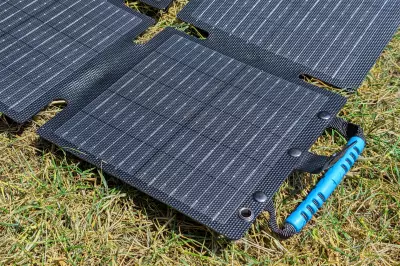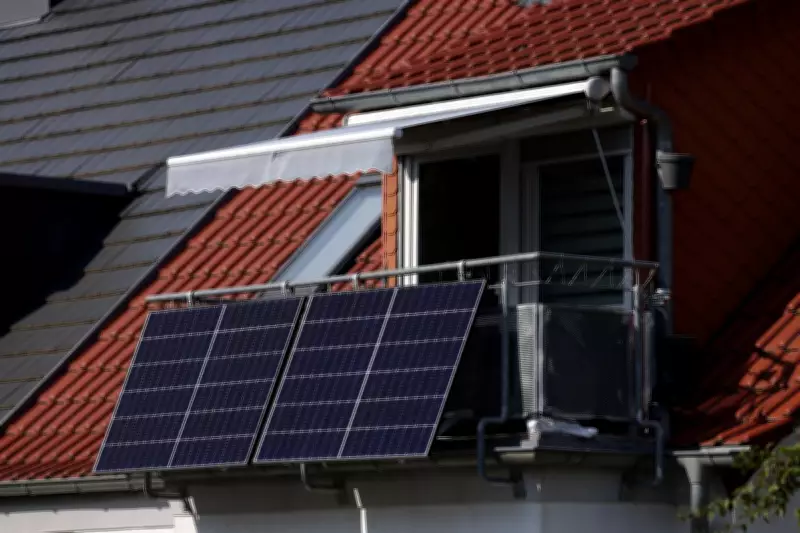
Plug-in solar panels could soon give households a simpler way to generate their own electricity, without paying for a full rooftop solar installation. Instead of a large array of panels fixed to the roof and wired into the home by an installer, these smaller systems are designed to be mounted on a balcony, wall, terrace or garden frame and connected to the property using an approved plug-in setup.
It could make solar power accessible to people who have traditionally been locked out of the market, including renters, flat owners and homeowners whose roofs are unsuitable for conventional panels.
But while the name makes the technology sound straightforward, “plug-in” does not mean risk-free or completely hands-off. The panels still need to be positioned properly, fixed securely and connected safely. This guide explains how plug-in solar panels work, what comes in a typical kit and what fitting one is likely to involve.

What are plug-in solar panels?
Plug-in solar panels are small-scale solar photovoltaic (PV) systems designed to generate electricity for use in the home. In parts of Europe, they are often described as balcony solar panels because they are commonly installed on apartment balconies and connected to the property’s electricity supply.
A typical plug-in solar kit may include one or two solar panels, a microinverter, mounting brackets or a frame, connecting cables and a plug or connection unit. Some systems may also include a monitoring app, allowing users to see how much electricity the panels are generating, or a small battery for storing some excess power.
They work on the same basic principle as rooftop solar panels, but on a smaller scale. A plug-in system isn't designed to power an entire home. Instead, it is intended to offset some of your daytime electricity use, reducing the amount of power you need to buy from the grid.
How do plug-in solar panels work?
Like standard solar panels, plug-in panels use photovoltaic cells to turn daylight into electricity. When sunlight hits the panel, the cells generate direct current electricity. Solar panels work best in strong, direct sunlight, but they can still produce electricity on cloudy days, although output will be lower. For a fuller explanation of the technology behind solar PV, read our guide to how solar panels work.
The electricity produced by the panel cannot be used directly by most household appliances. UK homes use alternating current electricity, so the power first passes through a microinverter. This small device converts the direct current from the solar panel into alternating current that can be used by the home.
Once safely connected, the electricity can feed into the household circuit. If appliances are running at the same time, they can use the solar power first. This might include background electricity use from a fridge, a wifi router, a laptop charger, a television or a washing machine.
In practical terms, this means the home imports less electricity from the grid while the panel is generating. The benefit depends on how much electricity the system produces and how much of that electricity you use at the time it is generated.
What comes in a plug-in solar panel kit?
The exact equipment will vary between manufacturers, but most systems are built around a few core components.
The solar panel is the part that captures daylight and generates electricity. Many plug-in systems use one or two panels, making them much smaller than a typical rooftop array.
The microinverter is usually fixed near the panel and converts the electricity into a form that the home can use. Mounting equipment holds the panel in place, whether that means clamps for a balcony railing, brackets for a wall or a frame for a patio, garden or flat surface.
Cables connect the panel to the inverter and the system to the home. This is one of the most important parts of the setup. The UK-approved systems should use a connection method designed for domestic electrical circuits, rather than improvised wiring or unsuitable extension leads.
Where can plug-in solar panels be fitted?
Plug-in solar panels are likely to be most useful in places where rooftop solar is not practical. This could include flats with balconies, homes with small gardens, terraces, sheds, garages, outbuildings or exterior walls that receive a good amount of sunlight.

The best location is usually one with strong exposure to daylight for much of the day. A south-facing position will generally produce the most electricity. But east- and west-facing panels can still be useful, particularly if they match when your home tends to use electricity.
Shading is one of the biggest factors to watch. Trees, neighbouring buildings, balcony railings, walls and even nearby objects can all reduce output. A panel that is easy to fit but shaded for much of the day may generate far less electricity than expected.
The position also needs to be safe. A panel fixed to a balcony or wall must be secure enough to withstand wind and bad weather. Cables need to be routed carefully so they are not damaged, trapped in doors or windows, or left where someone could trip over them.
How are plug-in solar panels fitted?
The fitting process will depend on the product and where it's installed, but the broad steps are likely to be similar.
First, you must choose a suitable location. This means checking the amount of sunlight, the direction the panel will face, whether anything will cast shade over it and how the cable will reach the connection point.
Next, the mounting system is assembled. On a balcony, this may involve clamps or brackets that attach the panel to the railing. In a garden or on a patio, the panel may sit on an angled frame. On a wall, it may need brackets fixed into masonry or another suitable surface.
The panel then needs to be secured. This is a crucial step, especially for balconies, upper floors and exposed locations. Even a relatively small solar panel can become dangerous if it is not properly fixed.
Once the panel is in position, it is connected to the microinverter. The inverter is usually mounted close to the panel, protected from unsuitable conditions and connected using the manufacturer’s cabling.
The final step is connecting the system to the home’s electricity supply using the approved method provided with the kit. This is the part of the process that UK rules are being updated to enable. Homeowners should only use products approved for use in the UK and should follow the manufacturer’s instructions closely.
After connection, many systems allow users to monitor generation through an app or display. This can help you understand when the panels are producing the most electricity and shift some usage into daylight hours.
Can you fit plug-in solar panels yourself?
The appeal of plug-in solar is that it should be easier to install than a conventional rooftop system. A full rooftop solar array normally requires a professional installer, scaffolding, electrical work and certification. A plug-in system is intended to be simpler and cheaper to set up.
However, there are two separate issues: physical fitting and electrical connection. Mounting a panel on a balcony, wall or outbuilding still needs care. If the location is high, exposed or difficult to access, professional help may be sensible even if the electrical side is designed to be simple.
The safest approach is to buy a UK-approved kit, avoid modifying any cables or sockets, and follow the instructions exactly. Households should not use imported products that are not designed for the UK market, plug systems into extension leads, or attempt DIY wiring to get around the rules.
What permissions do you need before fitting plug-in solar panels?
Permissions may be just as important as the technology itself.
Renters should check with their landlord before attaching anything to a balcony, wall, shed or exterior space. Flat owners may need permission from a freeholder, managing agent or residents’ association, especially if the panel affects a shared wall, balcony, roof terrace or the building's external appearance.
Planning rules may also matter in some cases. Small solar installations are often straightforward, but listed buildings, conservation areas and flats can be more complicated. If the panel is visible from the street or fixed to a shared structure, it's worth checking before buying.
Home insurance is another consideration. If the panels are fixed to the property, the insurer may need to know. Leaseholders and renters should also check whether balcony railings, external walls or shared areas are allowed to carry extra equipment.
What can go wrong if they are fitted badly?
The main risks are poor performance and safety. A badly positioned panel may produce less electricity than expected. Too much shade, a poor angle or the wrong orientation can all reduce output. That doesn't make the system unsafe, but it may make it disappointing.
More serious problems can arise from poor mounting or unsafe connections. A panel that is not fixed securely could come loose in high winds. Damaged cables could create an electrical hazard. Running cables through windows, across walkways or near water can also create risks if the system hasn't been designed for that setup.
This is why plug-in solar should be treated as a home energy product, not a casual gadget. It may be much simpler than rooftop solar, but it still needs to be installed with care.
How are plug-in solar panels different from rooftop solar panels?
The main difference is scale. A conventional rooftop system usually has six or more panels and is designed to cover a larger share of a home’s electricity demand. It is fixed permanently to the roof and connected by a certified installer. For more on the price of a larger rooftop system, see our guide to solar panel costs.
Plug-in solar panels are smaller, more portable and easier to fit. They are better suited to households that can't install rooftop panels or people who want to try solar at a lower upfront cost.
The trade-off is output. A plug-in system will not usually generate enough electricity to run a whole home, and it is unlikely to match the long-term savings of a well-sized rooftop array. Its role is more modest: to reduce some daytime grid use and make solar accessible to more households.
Final verdict: simple technology, careful fitting
Plug-in solar panels work in the same way as other solar PV systems. They capture daylight, convert it into usable electricity and feed it into the home so appliances can use solar power before drawing from the grid.
What makes them different is the installation. Rather than requiring a full rooftop system, they are designed to be fitted to smaller spaces such as balconies, walls, terraces and gardens. That could make them especially useful for renters, flat owners and households without suitable roofs.
But “plug-in” should not be confused with “anything goes”. The panel still needs a sunny, secure location, the right permissions and a safe, approved connection method. For the right household, plug-in solar could be a practical first step into home-generated electricity, but getting the fitting right will be essential.