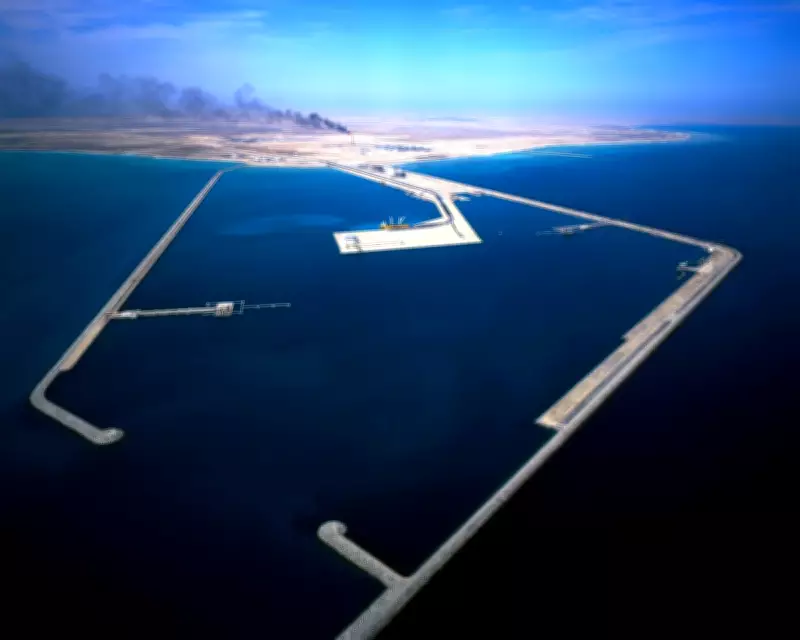
Global energy markets have been thrown into turmoil following a significant disruption to liquefied natural gas (LNG) production in Qatar. The third-largest LNG exporter worldwide has been forced to shut down operations at its sprawling Ras Laffan complex after Iranian drone attacks targeted the facility on Monday.
Immediate Impact on Global Gas Prices
The production halt has sent shockwaves through international energy markets, with wholesale gas prices surging dramatically across key regions. European markets witnessed a staggering 50% increase, while Asian markets approached 40% gains. This sudden spike has drawn alarming comparisons to the global energy chaos that followed Russia's invasion of Ukraine in 2022.
Australian Energy Market Vulnerability
Australian consumers and businesses face particular vulnerability to these international price movements. Over the past decade, Australian wholesale gas prices have tripled, coinciding with the establishment of major LNG export terminals in Queensland that effectively tied domestic prices to the more volatile international market.

Kevin Morrison, an LNG and gas analyst at the Institute for Energy, Economics and Financial Analysis, noted that "gas on global markets has had a much more dramatic increase than the price of oil." He explained that "what the market is saying is they are fearing that the impact is going to be much greater for gas than for oil."
Historical Parallels and Current Concerns
The current situation bears striking similarities to the 2022 energy crisis, when electricity prices in Australia increased by more than 40% following the Russian invasion of Ukraine. During that period, national household gas and electricity prices jumped by 27% and 43% respectively in the year to March 2023, while gas prices for manufacturers surged by 46%.
Morrison highlighted the concerning parallels: "We have a big global gas supplier being knocked out, so the threat is there. We were heading into a period where gas prices were supposed to be coming down, but the characteristics are now there for a prolonged spike in prices."
Geopolitical Complications
The energy market disruption comes amid escalating tensions in the Middle East, with US-Israeli missile strikes already choking off shipping through the Strait of Hormuz. This critical waterway handles approximately one-fifth of the world's seaborne oil and gas, adding further pressure to global energy supplies.
Government Response and Market Protection
The Australian government has implemented measures aimed at insulating domestic markets from international price volatility. A spokesperson for Resources Minister Madeleine King pointed to the $12/GJ reasonable pricing mechanism under the gas market code, stating it "has insulated the domestic market from extreme price spikes, such as those that occurred as a result of Russia's illegal invasion of Ukraine."
The government has also announced a domestic gas reservation scheme that will require LNG exporters to set aside up to a quarter of their gas for domestic use, though this measure is not scheduled to begin until the start of next year.
Expert Analysis and Future Outlook
Tony Wood, a senior fellow at the Grattan Institute's energy and climate change program, cautioned that government measures have not completely severed the link between global and domestic gas prices. "What's going on now will put a lot of pressure on the government to be much more heavy-handed," Wood said, emphasizing the need to ensure "the price does not reflect crazy international prices."
Wood drew attention to the unpredictable nature of geopolitical conflicts, noting that "Ukraine when it happened many thought it would be a short, sharp war, but here we are four and a half years later." He added that "just when everyone was starting to think we might see LNG prices moving down, maybe they won't."
Despite current assurances from government officials that the domestic gas market is predicted to be "well supplied" in 2026, experts warn that Australia remains "very, very exposed to international prices" in the immediate term. Morrison cautioned that "we could start seeing gas prices increase domestically, and that filters through to electricity - there's a strong correlation between them."

The combination of rising gas prices with increasing petrol and diesel costs could lead to a general increase in energy prices across the board, potentially repeating the painful energy shock experienced by Australian households and businesses in 2022.