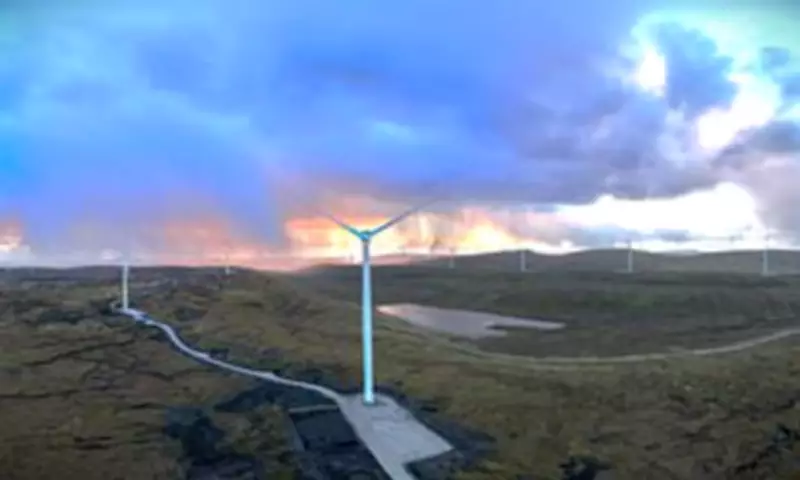
Shetland Wind Farm Owner Receives £10 Million to Halt Turbines in Gale Force Winds
A wind farm operator in Shetland has been paid more than £10 million in a single year to turn off its turbines during periods of gale-force winds, according to recent reports. This substantial payment has sparked debate over energy policy and the efficiency of renewable energy systems in extreme weather conditions.
Details of the Payment and Operational Issues
The wind farm, located in the remote Shetland Islands, is designed to generate electricity from strong winds common in the region. However, during gale-force winds, the turbines must be shut down to prevent damage and ensure safety. This shutdown leads to a loss of power generation, and the owner is compensated through a system known as constraint payments, which are intended to balance the grid and manage supply.
In the past year, these payments totaled over £10 million, highlighting the significant costs associated with maintaining grid stability in areas prone to severe weather. Critics argue that this raises questions about the reliability and cost-effectiveness of wind energy, especially in isolated locations where alternative power sources are limited.

Implications for Renewable Energy and Policy
The situation in Shetland underscores broader challenges in the UK's transition to renewable energy. While wind power is a key component of the country's green energy strategy, incidents like this reveal potential inefficiencies. The high payments for turning off turbines suggest that the current grid infrastructure may not be adequately equipped to handle fluctuations in wind power output, particularly during storms.
Energy experts point out that such payments are not uncommon in the industry, as grid operators must sometimes pay generators to reduce output to prevent overloads. However, the scale of the payment in Shetland has drawn attention, with some calling for reforms to improve grid management and reduce costs for consumers.
Local and National Reactions
Local residents in Shetland have expressed mixed feelings about the wind farm. While it provides jobs and contributes to renewable energy goals, the large payments have led to concerns about whether the benefits justify the expenses. Nationally, policymakers are reviewing energy regulations to address similar issues across the UK, aiming to create a more resilient and cost-effective energy system.
This case also highlights the need for better energy storage solutions and grid upgrades to minimize reliance on constraint payments. As the UK continues to invest in wind and other renewables, balancing supply and demand in challenging weather conditions will remain a critical focus for the energy sector.