South Africa Grapples with Unprecedented Diesel Price Hikes Amid Global Oil Turmoil
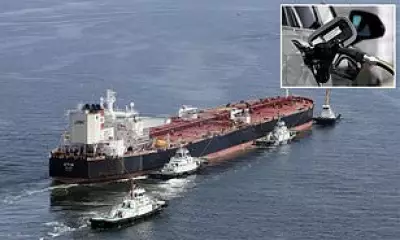
South African motorists descended upon fuel stations in large numbers on Tuesday, anticipating record-breaking price increases for diesel and gasoline set to take effect at midnight. This surge comes as the world continues to reel from the impacts of the ongoing Iran conflict, which has severely disrupted global oil and fuel markets.
Government Intervention Fails to Offset Soaring Costs
Despite efforts by Finance Minister Enoch Godongwana to mitigate the shock, the price hikes have sent shockwaves across the nation. Godongwana announced a reduction of 3 rand (approximately $0.18) per liter in the fuel levy for April, a move intended to provide some relief to consumers. However, this intervention has been overshadowed by the staggering increases: diesel prices rose by 7.51 rand ($0.44), the highest on record, while gasoline saw an increase of 3.06 rand ($0.18).
The levy reduction is projected to cost the government around 6 billion rand (over $351 million) in lost tax revenue, highlighting the scale of the economic challenge. Godongwana attributed the crisis to the ongoing Middle East conflict, which he said has heightened risks to global energy markets and exerted intense pressure on domestic fuel prices.

Fuel Shortages and Distribution Delays Worsen Crisis
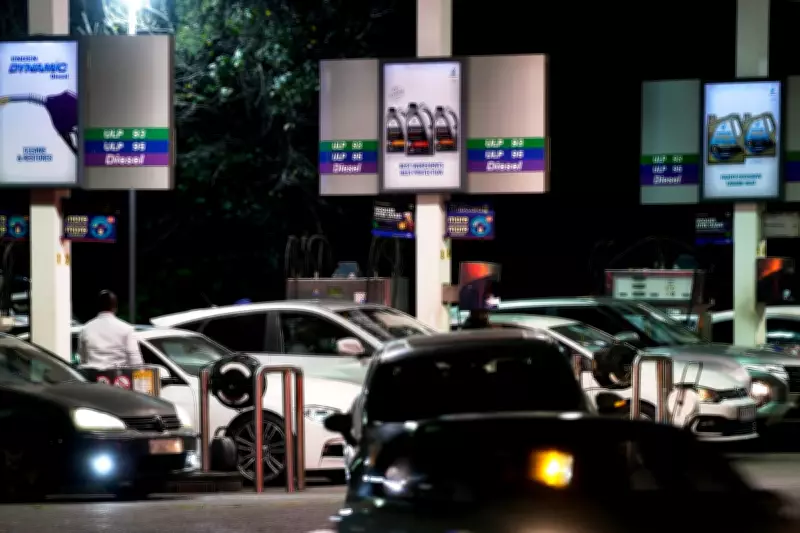
By Tuesday evening, the situation had escalated, with numerous fuel stations in eastern Johannesburg turning motorists away after running out of both diesel and gasoline. At some locations, only gasoline remained available, leaving those in need of diesel stranded. Visible queues formed at stations that still had fuel in stock, underscoring the urgency of the situation.
Operational and logistical delays in fuel distribution have compounded the problem, leading to dozens of stations running dry. In response, some outlets began rationing fuel purchases, imposing restrictions of 30 to 50 liters (8 to 13 gallons) per vehicle. The capital city, Pretoria, experienced disruptions to its bus services due to fuel shortages at municipal depots, further illustrating the widespread impact.
Economic and Social Ramifications Loom Large
Theuns Du Buisson, an economic researcher at the Solidarity Research Institute, warned that these price increases, particularly the record hike for diesel, would have devastating consequences. “Even after fuel levies were reduced, these are the largest increases in recent history and would be devastating for consumers,” he stated.
Du Buisson emphasized that the surge in diesel prices would severely inflate logistics and transportation costs, triggering knock-on effects on inflation in the coming months. With a majority of South Africans relying on public transport, such as minibus taxis and buses, low-income households are likely to bear the brunt of the economic strain.
The crisis highlights the fragile interplay between global geopolitical events and local economies, as South Africa navigates one of its most challenging fuel price scenarios to date.