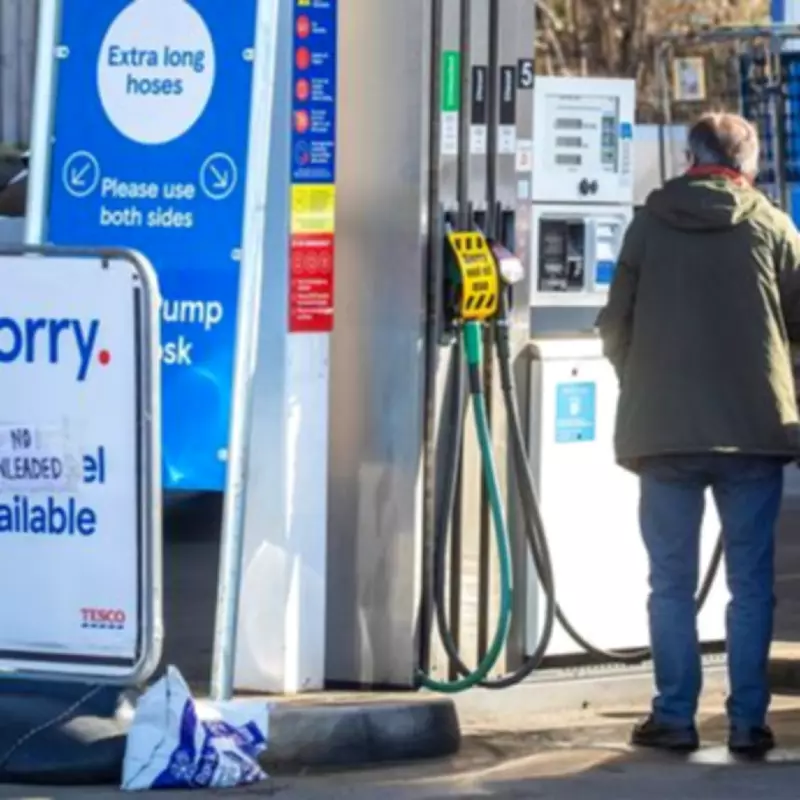
Drivers across Britain have been forming queues at petrol stations, gripped by fears of a sudden spike in prices triggered by the escalating conflict involving Iran. This rush comes as Chancellor Rachel Reeves convenes with North Sea oil executives to address soaring energy costs, which have surged by 15% in just 48 hours. Meanwhile, motorists report petrol prices at the pump increasing by up to 11p per litre, adding to the growing anxiety.
Middle East Tensions Spark Global Concerns
The Strait of Hormuz, a critical shipping route for oil exports, is currently blocked by Iran, which has issued warnings to set fire to any vessels attempting passage. This disruption has fueled fears of a potential 1973-style oil crisis, prompting similar queues at petrol stations not only in the UK but also around the world. However, industry experts caution against alarmist messaging, noting that such reactions can create a self-fulfilling prophecy. They point out that oil supply levels in the UK remain at normal ranges, with any shortages being localised rather than widespread.
Expert Analysis on Fuel Price Projections
Simon Williams, head of policy at the RAC, provided insight into the situation. He stated, "While the conflict in the Middle East undoubtedly has the potential to push up pump prices in the UK, it’s not a certainty. The oil price would have to rise significantly and stay that way for some time to have a dramatic effect." Williams highlighted that forecourt prices were already on an upward trend due to oil trading near $70 a barrel in recent weeks. In February, petrol rose by a penny per litre and is expected to increase by another penny soon, reaching an average of 134p per litre.

He further explained potential scenarios: "If oil were to climb to and stay at the $80 a barrel mark, then drivers could expect to pay an average of 136p for petrol. At $90, we’d be looking at over 140p a litre and $100 would take us nearer to 150p, but it’s all too soon to know." This analysis underscores the uncertainty surrounding the impact of the Iran conflict on global oil markets and consumer costs.
Localised Disruptions and Consumer Behaviour
Despite assurances from officials about stable oil supplies to the UK, drivers have reported fuel shortages at some petrol stations, such as in South Queensferry, Scotland. Images from locations like Dedworth in Windsor and Liverpool show long queues, with motorists seeking to fill their tanks at lower prices before any potential 'oil shock' sets in. Costco petrol stations, known for competitive pricing, have also seen increased activity. Internationally, similar patterns are observed, with reports from Los Angeles of drivers stocking up using jerry cans.
The situation highlights a blend of genuine supply concerns and psychological factors driving consumer behaviour. As the conflict in the Middle East continues to unfold, the UK government and industry leaders are closely monitoring developments to mitigate any long-term effects on energy prices and availability.