British motorists are being cautioned to brace for a significant increase in fuel prices as the ongoing conflict in the Middle East disrupts critical oil supply routes. The situation has already triggered a sharp rise in global oil prices, which directly influences wholesale fuel costs across the United Kingdom.
Immediate Impact on Oil Markets
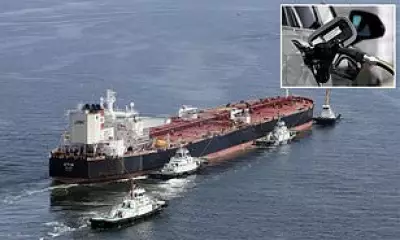
Disruption to tanker traffic through key Middle Eastern waterways, particularly the Strait of Hormuz, has sparked considerable volatility in oil markets. On Monday, the price of Brent crude oil surged by as much as 13 percent, briefly exceeding 82 US dollars per barrel before experiencing a partial retreat. This dramatic fluctuation reflects market anxieties about sustained supply chain interruptions.
Expert Predictions for UK Forecourts
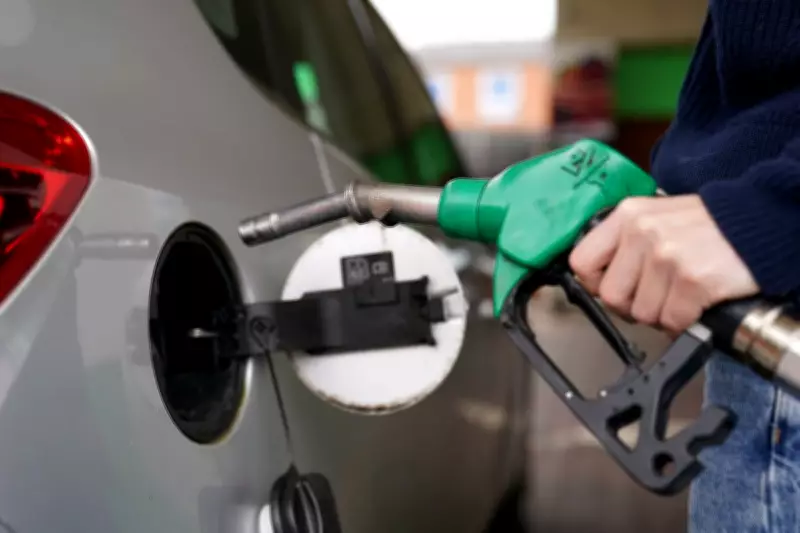
AA president Edmund King stated that much of the oil price increase since the conflict began was already being anticipated by market traders. He warned that pump prices in the coming weeks will "inevitably increase," potentially returning to levels last seen at the start of 2026. At that time, the average price for a litre of petrol stood at 135.7 pence, compared with recent lows of 131.9 pence last month.

"Obviously, some global oil distribution disruption will continue depending on the length of the conflict and issues in the Strait of Hormuz," Mr King explained. "Pump prices in the coming weeks will inevitably increase, possibly in the short term back up to where they were at the start of the year."
RAC's Cautious Assessment
RAC head of policy Simon Williams offered a more measured perspective, noting that while the Middle East conflict "undoubtedly has the potential to push up pump prices in the UK, it's not a certainty." He emphasized that oil prices would need to rise significantly and maintain those elevated levels for an extended period to create a dramatic effect at the pumps.
Williams added that if oil prices were to reach 100 dollars per barrel, petrol prices could approach 150 pence per litre. However, he cautioned that "it's all too soon to know" how sustained the current market pressures will prove to be.
Practical Advice for Drivers
Despite the concerning outlook, both motoring organizations urged drivers to avoid panic buying or altering their normal refuelling routines. Edmund King reassured motorists that "there is no need for drivers to break their refuelling routine" as "it takes time for cost increases to work their way through to the pump."
He noted that most commuters would have already filled their tanks for the working week, giving them "300 miles or more in their tank – plenty of time to gauge what is happening at the pumps and then go looking for the cheaper fuel."
Price Comparison Recommendations
Andrew Watson, director at pump price comparison service PetrolPrices, confirmed that "global events over the weekend have pushed wholesale fuel costs sharply higher, and that is likely to feed through to UK pump prices in the coming days." He advised motorists to expect gradual price increases for both petrol and diesel.
"The best way for drivers to protect themselves is to shop around," Watson recommended. "During periods of volatility, the gap between the highest and lowest local prices often widens."
Pump prices at UK forecourts had already been increasing slightly in recent days as retailers adjusted to better reflect wholesale costs. The Middle East conflict now threatens to accelerate this trend, creating additional financial pressure on households already contending with broader cost of living challenges.