UK Petrol Prices Set to Soar to Record Levels Amid Middle East Conflict
British motorists could be facing record-breaking petrol prices as early as this month, with industry leaders warning that escalating conflict between the United States and Iran is creating severe disruption in global oil markets. The situation has intensified dramatically following coordinated US and Israeli strikes on Iranian targets last Saturday, which prompted immediate retaliatory actions from Iran against locations in the United Arab Emirates, Qatar, Bahrain, Jordan, and Iraq.
Critical Shipping Channel Under Threat
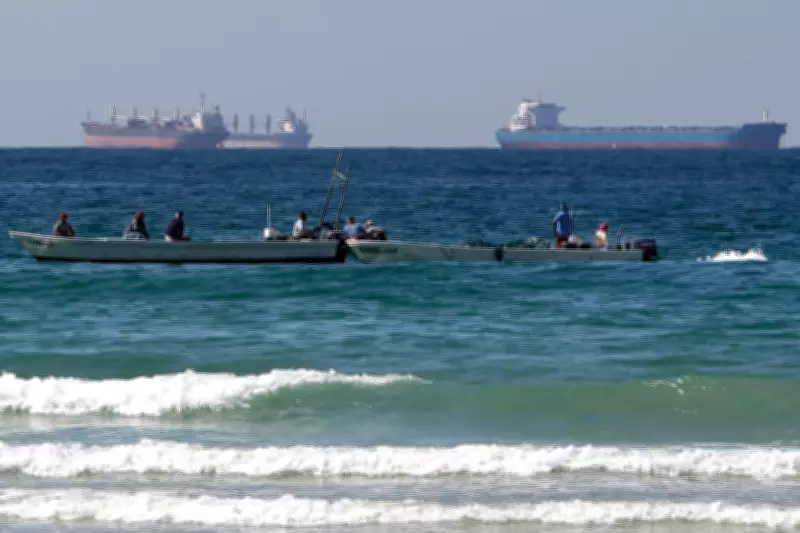
As hostilities continue across the region, with ongoing airstrikes reported against Iranian positions, the crucial Strait of Hormuz has become a focal point of concern for the global energy sector. Iranian military officials have issued stark warnings that they will "set fire" to any vessels attempting to navigate through this vital maritime passage, which serves as the only access route from the Persian Gulf to open oceans.
At least three commercial ships were reportedly attacked near the strategic waterway over the weekend, sending shockwaves through international oil markets and triggering significant price volatility. The strait, positioned between Iran to the north and Oman and the UAE to the south, normally facilitates the transportation of approximately twenty percent of the world's oil and gas supplies.

General Sardar Jabbari of Iran has declared that the country will now "not let a single drop of oil leave the region," effectively bringing international shipping to a standstill at the entrance to this critical passage. The situation has been further complicated by Iranian missile strikes on American-linked targets in Dubai and Abu Dhabi, increasing the likelihood of continued military activity over the strait.
Immediate Impact on Global Oil Prices
The benchmark Brent crude oil price surged dramatically to $82 per barrel on Monday, representing an increase of over ten percent from previous levels. This follows an already elevated price of $73 per barrel recorded before Saturday's initial attacks, which itself marked a seven-month high for the commodity. As of Tuesday, prices remained elevated at $81.82 per barrel, with experts predicting further increases as the conflict shows no signs of immediate resolution.
Edmund King, President of the Automobile Association (AA), has issued a sobering assessment of the situation, warning that significant disruption to global oil distribution could materialize within weeks. "The turmoil and bombing across the Middle East will surely be a catalyst to disrupt oil distribution globally, which will inevitably lead to price hikes," Mr. King told The Times. "So drivers beware, within the next 10 to 12 days we could be seeing record prices at the pumps."
Compounding Factors for British Drivers
The potential for unprecedented petrol price increases comes at an already challenging time for UK motorists, with planned increases in fuel duty scheduled to take effect. The government had previously implemented a 5p-per-litre reduction in March 2022 in response to Russia's invasion of Ukraine, but Chancellor Rachel Reeves announced a reversal of this policy during November's Budget.
The planned increases include a 1p rise in September of this year, followed by 2p in December, and a final 2p increase in March 2027. Some industry experts are now calling for the Chancellor to reconsider this approach given the current geopolitical instability.
Howard Cox, Founder of FairFuelUK, has urged immediate government intervention: "In light of the ongoing crisis in the Middle East, Rachel Reeves must declare in her Spring Statement that Fuel Duty will remain frozen for the duration of her Parliament and cancel any planned increases in the Autumn Budget. This move would not only be economically prudent—stimulating GDP growth and alleviating inflationary pressure—but it would also provide some much-needed political relief to this government."

Current Market Position and Expert Analysis
According to the latest AA data, average petrol prices currently stand at 132.9p per litre. However, the motoring organization warns that market volatility combined with the reversal of the 5p fuel duty cut could push prices to approximately 142.5p per litre—matching the highest levels recorded before the COVID-19 pandemic.
Professor Michael Tamvakis, Professor of Commodity Economics and Finance at Bayes Business School (part of City, University of London), provided detailed analysis of the potential supply disruption: "The closure of the Straits of Hormuz is a key bottleneck for the flow of both oil and gas. In short, we could lose something like 6 million barrels per day from the 14 million barrels exported by GCC countries."
The professor further explained that prolonged closure of the strait would create growing supply bottlenecks, particularly if insurance becomes unavailable for vessels attempting to navigate the region. He noted that the situation also completely chokes natural gas supply from the Middle East and Gulf region, with no viable pipeline alternatives available.
Professor Tamvakis added a cautiously optimistic note: "It is fortunate that we are entering the northern Hemisphere spring. That fall in demand might ease any pressures and price rises." However, this seasonal factor may provide only limited relief given the scale of current disruptions to global energy supplies.