UK Government Pressed to Shield Households from Energy Price Surge Amid Iran Conflict
Rachel Reeves, the Chancellor of the Exchequer, is under mounting pressure to develop an emergency strategy aimed at keeping energy and fuel prices affordable for British consumers. This urgent call comes as escalating tensions in the Middle East, particularly involving Iran, have triggered significant disruptions to global energy markets. The situation has intensified following Iran's recent retaliation, which included actions that have severely impacted energy supplies.
Sharp Rise in Energy Costs Following Iranian Actions
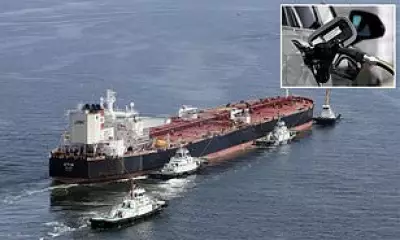
European natural gas prices have surged by a staggering 40 per cent in the wake of Iran's aggressive moves. Key incidents contributing to this spike include Qatar Energy halting its liquefied natural gas (LNG) production and a drone attack targeting Saudi Arabia's Ras Tanura oil refinery. Additionally, shipping through the critical Strait of Hormuz has largely ground to a halt after Iran attacked multiple tankers, exacerbating supply chain issues.
This disruption has had a direct and severe impact on the United Kingdom's energy landscape. Britain's benchmark gas price has jumped by 54 per cent, while Brent crude oil prices have risen by 9 per cent. Analysts are issuing stark warnings that if the conflict with Iran leads to prolonged disruptions in global gas supplies, household energy bills could escalate to approximately £2,500 annually. Such an increase would place immense financial strain on families across the nation.

Growing Calls for Government Intervention
In response to these alarming developments, there are growing and vocal demands for the UK government to take immediate and decisive action. One prominent proposal is for the government to abandon the planned 1p increase in fuel duty, which is currently scheduled to take effect. This move is seen as crucial, as record-high prices at petrol pumps are anticipated within the coming days, further burdening consumers already facing economic challenges.
Prime Minister Sir Keir Starmer has sought to reassure both the public and Members of Parliament regarding the government's commitment to addressing this crisis. In a statement to MPs, Starmer confirmed that the United Kingdom will not participate in any US-Israel military strikes against Iran, a position that underscores a cautious diplomatic approach. He further emphasized that the government is dedicated to working tirelessly to ensure that energy prices remain affordable and stable for all households, despite the volatile international situation.
Political and Economic Implications
The pressure on Rachel Reeves to formulate an effective emergency plan is particularly acute as the spring statement approaches. This period is critical for setting fiscal policy and economic direction, making it an opportune moment to introduce measures that could mitigate the impact of rising energy costs. The conflict's escalation not only threatens immediate price hikes but also poses longer-term risks to the UK's energy security and economic stability.
As the situation continues to evolve, the government faces a complex balancing act: maintaining affordable energy for citizens while navigating the geopolitical intricacies of the Middle East conflict. The decisions made in the coming weeks will be pivotal in determining how well the UK can shield its economy and populace from the fallout of these international tensions.