US Gas Prices Surge Amid Escalating Iran Conflict
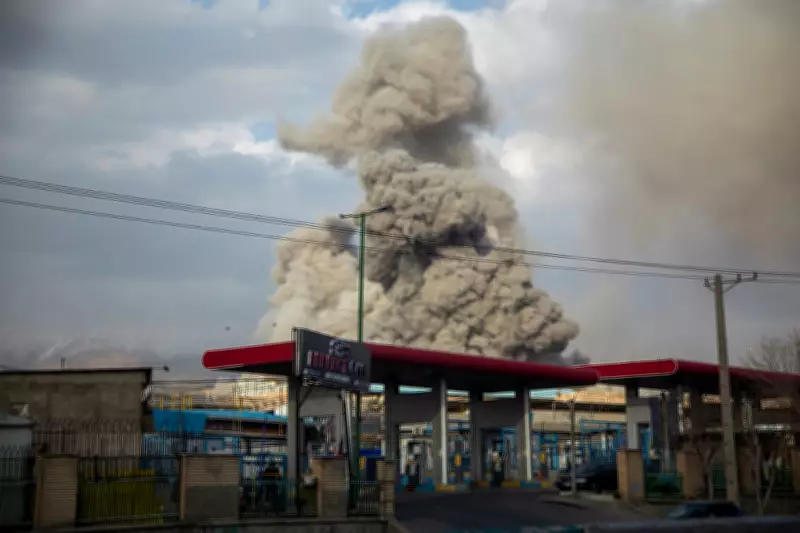
Gas prices across the United States have experienced a sharp spike following the initiation of US military strikes against Iran over the past weekend, with industry experts warning that further increases at the pump are imminent. The escalating geopolitical tensions in the Middle East have directly impacted global oil markets, creating significant upward pressure on fuel costs for American consumers.
Recent Price Increases and Regional Variations
According to the latest national data published by motor club AAA, the average gas price in the United States rose from $2.975 to $3.198 between February 24 and March 4, representing a substantial increase during this period. Regional analysis reveals particularly pronounced effects in certain areas, with Oklahoma experiencing a 33-cent surge in average prices despite traditionally maintaining the nation's cheapest fuel costs.
Nearly all southern states along the Mississippi River, which typically boast the country's lowest gas prices, witnessed increases exceeding the national average. This widespread upward trend indicates that the conflict's impact extends beyond isolated regions, affecting consumers nationwide.

Expert Predictions and Market Reactions
Gas data site GasBuddy has projected that prices will continue climbing, forecasting increases of 10 to 30 cents per gallon over the next two weeks. The company issued a public warning stating, "Heads up, drivers: You may see gas prices increase soon. Ongoing geopolitical events are contributing to higher oil prices, which are a major factor in what you pay at the pump."
Jillian Young, director of public relations for AAA Northeast, explained that multiple factors are converging to drive prices upward. "Even before the escalation of conflict in the Middle East, gasoline prices were poised to begin climbing on seasonal expectations of increased demand and higher production costs," Young noted. "When markets react to geopolitical conflict, rising oil prices put upward pressure on gas prices, but time will tell how large the impact will be at the pump."
Geopolitical Factors and Strategic Chokepoints
The conflict's impact on gas prices stems primarily from disruptions to critical oil infrastructure and transportation routes. The Strait of Hormuz, which borders Iran and several other Middle Eastern nations, represents one of the world's most vital oil chokepoints, with approximately 20 percent of global oil production passing through this narrow waterway.
When geopolitical tensions threaten such strategic passages, global oil prices typically experience significant increases as markets react to potential supply disruptions. The current conflict has created precisely this scenario, with military actions creating uncertainty about the stability of oil shipments through the region.
Seasonal Factors and Consumer Impact
Compounding the geopolitical pressures, seasonal transitions are also contributing to rising prices. Refineries are beginning to produce summer-blend gasoline, which incorporates more expensive additives designed to reduce evaporation during warmer months. Additionally, anticipated increases in travel demand as spring approaches typically drive higher fuel consumption.
AAA highlighted these seasonal patterns, noting that "gas demand is also expected to increase next month as spring break season kicks off and more drivers take road trips." This combination of geopolitical instability and seasonal factors creates a perfect storm for consumers facing higher fuel costs.
Political Response and Economic Consequences
President Donald Trump acknowledged the situation during an Oval Office meeting, stating that gas prices would remain elevated "for a little while" but suggesting they might ultimately decrease below previous levels once the conflict concludes. This political acknowledgment underscores the significant economic implications of the current situation.
The economic consequences extend beyond individual consumers to affect retail businesses as well. Jeff Lenard, vice president of media and strategic communications at the National Association of Convenience Stores, explained that retailers often absorb some price increases to remain competitive, but higher fuel costs ultimately reduce consumer spending on other goods.

"When someone spends more money on fuel, they have less to spend inside the store," Lenard noted. "In addition, higher prices on gas put customers in a bad mood, and that's not good for additional sales beyond the fill-up." This ripple effect demonstrates how gas price increases can impact broader economic activity beyond simple transportation costs.
As the situation continues to develop, American consumers face the prospect of sustained higher fuel costs driven by both geopolitical instability and seasonal market dynamics. The coming weeks will reveal the full extent of the conflict's impact on energy markets and household budgets across the nation.