Fresh inflation data released on May 28, 2026, shows that the United States is grappling with its fastest price increases in three years, as energy costs ripple through the broader economy. The Personal Consumption Expenditures Price Index (PCE) rose 3.8% year over year in April, up from 3.5% in March, marking the highest level since 2021. Core PCE, which excludes volatile food and energy prices, increased 3.3%, signaling that underlying inflationary pressures remain persistent.
Energy Prices Driving Broader Inflation
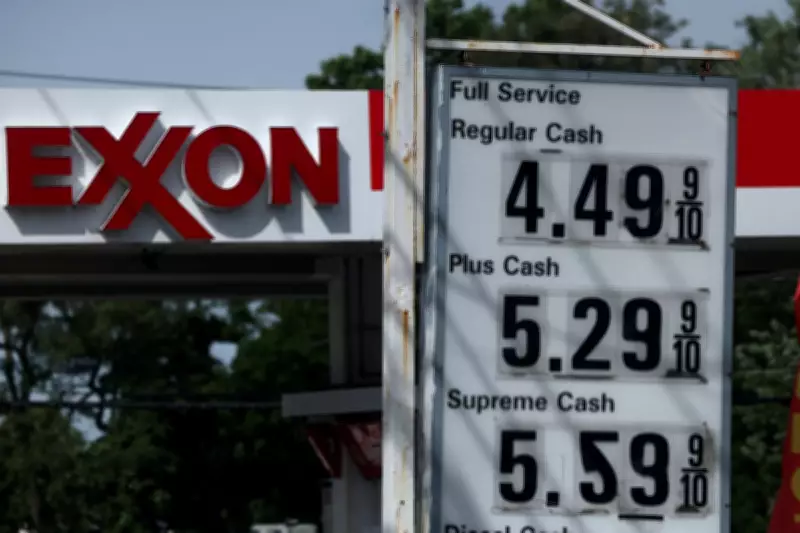
The surge in gasoline prices, now above $4 per gallon amid Middle East tensions and the closure of the Strait of Hormuz, is not an isolated phenomenon. Higher energy costs are feeding into shipping, airline fares, food production, utilities, and consumer psychology. April's Consumer Price Index (CPI) showed energy prices up 18% year over year, airline fares rising over 20%, and grocery prices posting their largest monthly gain since 2022. Tariff-sensitive categories like apparel and household furnishings continue to climb, indicating that inflation is broadening beyond energy.
Economists D. Brian Blank and Brandy Hadley, professors at Mississippi State University and Appalachian State University respectively, note that the key question is whether higher energy costs are spreading into the rest of the economy. They warn that if workers expect higher prices, they may demand higher wages, creating a wage-price spiral that could entrench inflation.

Fed Faces Tough Choices Under New Leadership
Kevin Warsh was sworn in as the new Federal Reserve chair just days before the release of this data, making the June 16-17, 2026, policy meeting his first in that role. Warsh faces a divided committee and pressure from President Donald Trump to cut rates, while he has previously downplayed the PCE gauge's accuracy. The Fed's dual mandate—controlling inflation while supporting growth—is strained as energy prices act like a tax on consumers, reducing spending power and dampening economic activity.
Minutes from the Fed's April meeting show many officials are concerned that persistent inflation could require additional rate hikes. The Fed held rates steady at 3.50% to 3.75% in April, noting that inflation remains elevated partly due to rising global energy prices. Long-term Treasury yields have reached their highest levels since 2007, reflecting market expectations of higher rates or uncertainty, which in turn influences mortgage rates and business borrowing costs.
AI Investment Complicates the Outlook
Artificial intelligence-related investment is helping to sustain growth even as households feel pressured by higher prices. Warsh has argued that AI could drive down prices, allowing the Fed to cut rates sooner. However, weakening consumer demand and wage growth argue for caution, while rising inflation expectations and businesses passing on higher costs argue for higher rates.
Ultimately, the Fed must decide whether energy prices are reopening the inflation fight at a time when it aims to prove price stability is within reach. Warsh's early leadership will test the Fed's credibility in balancing inflation control with support for an already pressured consumer economy.