The Financial Conduct Authority (FCA) has issued a crucial update for travellers impacted by the escalating conflict in the Middle East, advising hundreds of thousands of Britons to thoroughly review their insurance policies. With ex-pats, holidaymakers, and business travellers all caught in the turmoil, many face significant disruptions including cancelled flights and unexpected accommodation costs.
Insurance Policies May Exclude War-Related Claims
Many standard travel insurance policies contain specific clauses that exclude coverage for additional expenses arising from conflicts or wars. This means travellers stranded in the region may not be reimbursed for extra living costs or rearranged travel arrangements. The FCA has now stepped in, warning insurance companies to communicate clearly and act fairly towards affected customers.
Regulatory Guidance for Insurers and Travellers
In a post on social media platform X, the FCA stated: "If you have travel plans to the Middle East, or are there now, speak to your travel insurer to find out more about your policy and options." The regulator emphasized that insurers must provide adequate support during this crisis. The FCA also directed travellers to the Association of British Insurers (ABI) website for further information.

The ABI warns that policies vary significantly between providers, making direct consultation essential. They stress the importance of following Foreign Office guidance and local authority advice for safety. Foreign Secretary Yvette Cooper has confirmed that ministers are considering plans to evacuate approximately 300,000 Britons from the region, though no major evacuation has been announced for the 130,000 registered British nationals.
Widespread Flight Disruptions Across the Region
The conflict, triggered by US-Israeli strikes that killed Iran's Supreme Leader Ayatollah Ali Khamenei and subsequent Iranian retaliation, has caused extensive airspace closures. Major travel hubs including Dubai, Doha, and Abu Dhabi have been severely affected, disrupting vital connections between Europe, Asia, and Australia.
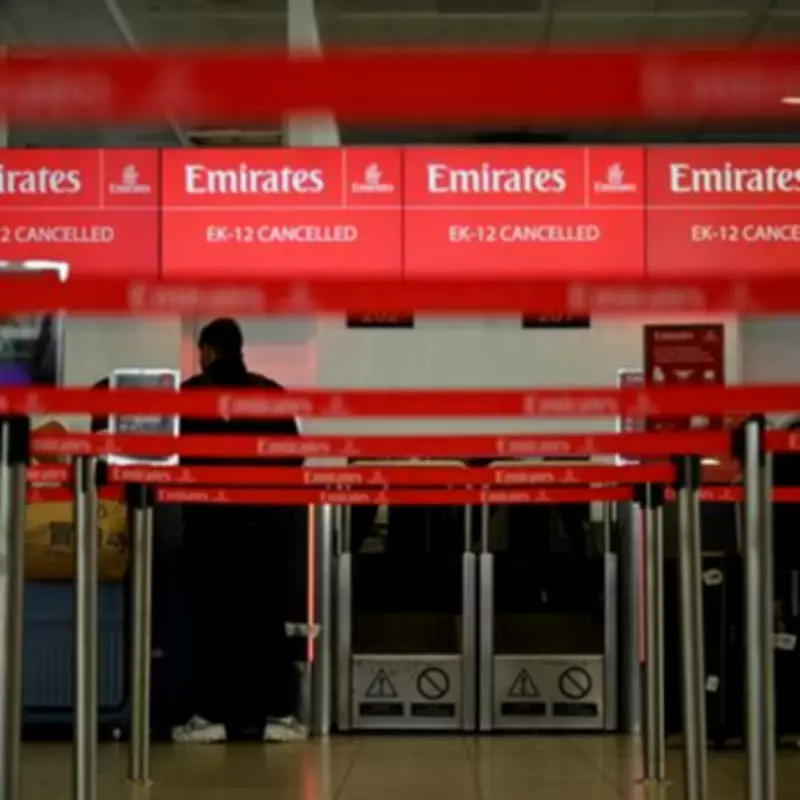
Data from aviation analytics company Cirium reveals that 603 out of 1,040 flights to Dubai were cancelled on Wednesday alone, with similar numbers departing the city. Approximately half a million passengers use these airports daily, and experts predict it could take weeks to clear the passenger backlog.
Limited Repatriation Efforts Underway
While thousands of stranded Britons have begun returning home as airlines increase flights, options remain limited. Emirates is operating seven flights from Dubai to the UK, Etihad has two departures from Abu Dhabi, and Virgin Atlantic will run a flight from Dubai to London Heathrow. British Airways has not resumed its regular schedule but will operate an evacuation flight from Muscat, Oman.
A UK Government charter flight is scheduled to repatriate Britons from Muscat, but most stranded individuals must rely on commercial flights. The situation highlights the critical need for travellers to verify their insurance coverage and explore all available options during this ongoing crisis.