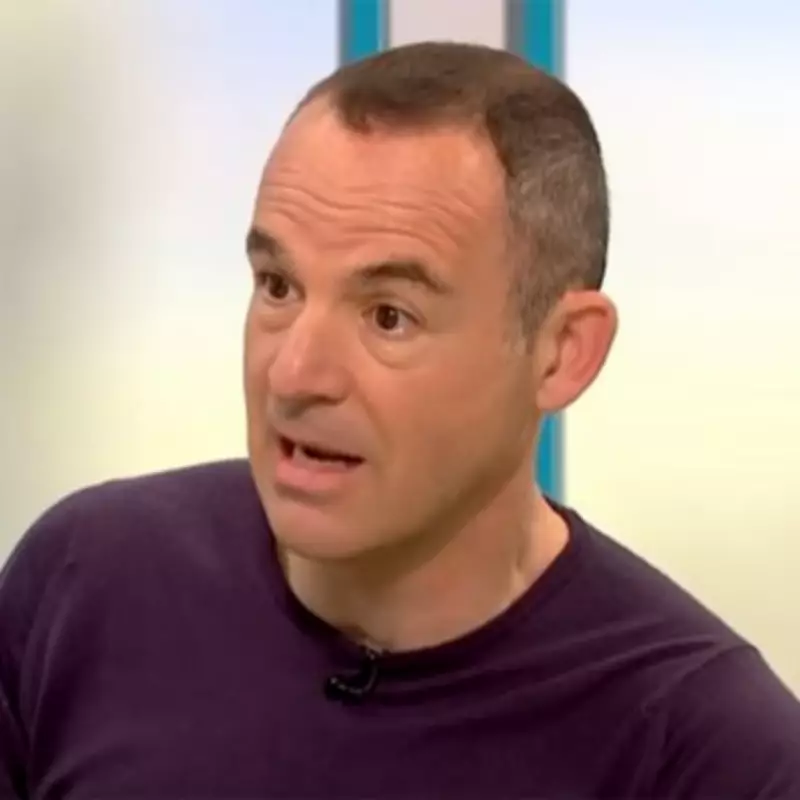
Man Secures £150,000 Payout Following Martin Lewis Financial Advice
A man has revealed how he secured a staggering £150,000 payout after acting on a simple piece of advice from money-saving expert Martin Lewis. The individual, named Danny, reviewed his financial commitments and discovered he was entitled to claim for a heart attack that occurred a decade earlier.
Danny's Remarkable Financial Discovery
Danny explained his experience, stating: "I just wanted to share my good fortune thanks to Martin. His advice was to check your Direct Debits to ensure you need what you're paying for. I reviewed a Scottish Widows critical illness policy and found it covered me for a heart attack I'd had 10 years earlier."
He continued: "I phoned up and they were surprised how long it'd taken me to claim - I received a payment of £150,000, including backdated interest. I can't put into words how grateful I am for the prompt." This case was originally reported by the Express, highlighting how straightforward guidance can lead to significant financial windfalls.

Martin Lewis's Strategy for Financial Audits
Martin Lewis recommends starting by examining what you're being charged for through your bank accounts. By accessing your online banking portal or app, you should be able to view standing orders or direct debits displayed clearly. However, some transactions won't appear in this list and will simply be recurring payments, requiring more investigative effort.
While some banks, such as Monzo, Revolut, Halifax, Lloyds, and HSBC, feature sections labelled 'subscriptions' or 'scheduled payments', not all banks offer this functionality. Similarly, even if your bank does have one of these sections, some payments can still evade detection. The most effective approach is to meticulously scrutinise your transaction history.
Common Recurring Payments to Watch For
Common companies that frequently use recurring payments include AA, Amazon Prime, Apple TV+, Audible, AutoAid, David Lloyd, Disney+, Dropbox, Giffgaff, HelloFresh, iD Mobile, Klarna, Microsoft Office, Mubi, Netflix, Now, PureGym, RAC, Spotify, and Virgin Active. If you're paying for something unnecessary, now's the moment to cancel it. Always question whether it's worthwhile, affordable, and whether you'll actually use it.
Before taking action, always verify you're outside of any contract period and there's no cancellation charge. The most reliable method is to contact the company directly. Utilise comparison websites or tools such as Martin Lewis' Cheap Broadband Finder, Cheap Mobile Finder, Cheap Energy Club, and 0% credit card eligibility to discover if you can reduce your expenses.
How to Cancel Unwanted Payments
You can readily cancel direct debits and standing orders via your bank - although with recurring payments, it's often simpler to cancel through the company itself. Nevertheless, you possess a legal right to halt the payments through your bank if you're experiencing difficulties. With this in mind, you might occasionally experience a situation like Danny's and recover substantial sums, but sometimes smaller amounts can come your way too.
It's more probable to be insurance for white goods and mobile contracts you've overlooked. Avoiding these payments is always preferable, but if you discover you've been paying for something incorrectly, you can politely request a refund.
Another Success Story: Refund of Over £850
One man, Joshua, explained: "My partner recently moved in and I helped her review her bills and subscriptions. I noted an odd £19 per month recurring payment since 2020, which she didn't know what it was for. My partner's dyslexic and didn't realise she'd signed up to a cashback site subscription from a pop-up."
He added: "I read your article on their ban and politely contacted the customer service team. I explained the circumstances, and they agreed to refund all payments back to 2020 - over £850 refunded. Thanks." This underscores the importance of regular financial check-ups.

Consumer Rights and Financial Regulations
The exception applies to regulated financial products such as insurance, where there's a valid argument that firms bear a responsibility to conduct regular suitability reviews. If a company has failed to do so, it has a 'Consumer Duty' to issue a refund. Should the firm refuse, you're entitled to lodge a formal complaint with the Financial Ombudsman, ensuring consumer protection in financial matters.