What Travel Insurance Will Actually Cover If You're Affected by UAE Travel Chaos
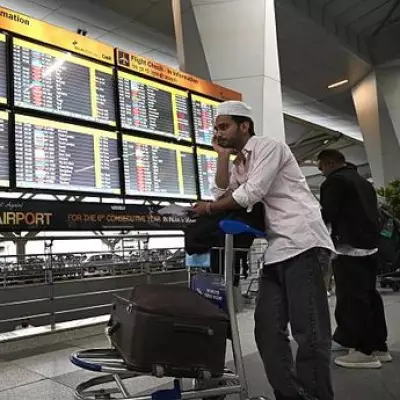
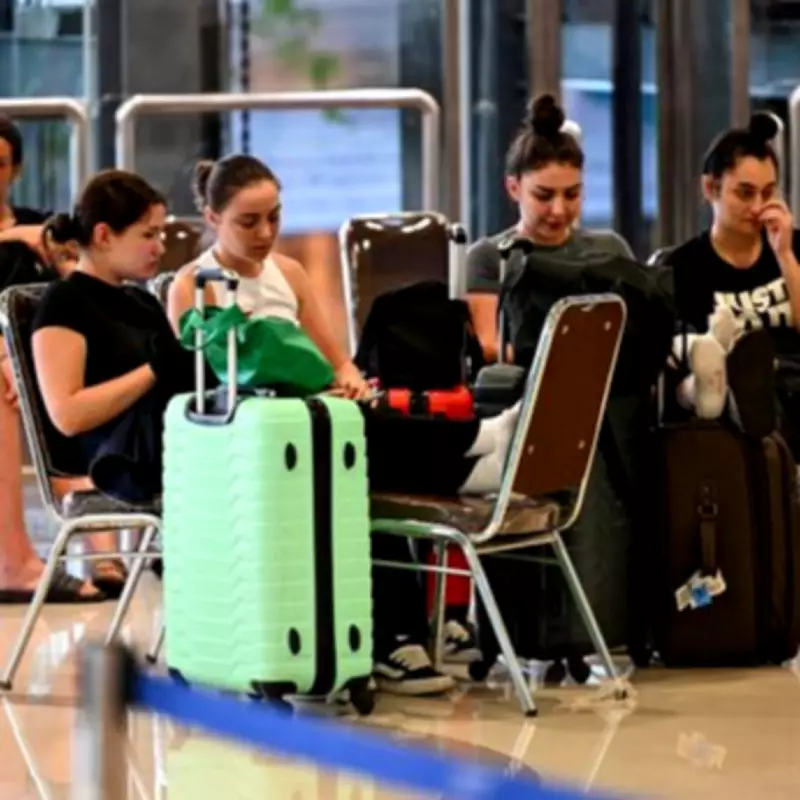
Whether you are currently stranded in the United Arab Emirates or another impacted nation, or have a holiday booked in the near future, you may be questioning what your travel insurance will genuinely cover amid the current turmoil. The situation in the Middle East has affected travellers from around the globe, leading to widespread uncertainty and disruption.
Does Travel Insurance Cover War and Conflict?
Most standard travel insurance policies will not cover 'acts of war', so there is no guarantee that individuals caught up in the present circumstances will be able to submit a successful claim. Some policies offer enhancements such as travel disruption coverage, which includes unexpected disruptions like natural disasters, civil unrest, terrorism, and airspace issues.
In the event that British citizens are evacuated from a country en masse, it is the Foreign, Commonwealth and Development Office (FCDO) that would organise transport, rather than insurers. Therefore, the FCDO is urging Brits to register their presence in countries such as the United Arab Emirates and Israel.

Some policies include 'travel curtailment', meaning they may cover a claim if a holiday is cut short. However, if the policy does not cover acts of war, you are unlikely to be able to claim if your trip is shorter than planned or for associated costs.
Tim Riley, managing director of travel insurer True Traveller and chairperson of the UK Travel Industry Association, stated: "Standard travel insurance policies do not cover war, hostile acts, civil war, military action, invasions or similar large-scale conflict events. This exclusion is standard across the global insurance market because war presents systemic, unpredictable risks that cannot be priced into conventional travel insurance products."
Nevertheless, travellers remain covered for claims unrelated to the conflict itself. For instance, illness, accidents not connected to hostilities, or lost or stolen baggage would typically be handled in line with the normal terms and conditions of the policy. "It is important to note that airlines have a legal obligation to re-route passengers once services resume, and it looks like there will be UK Government-funded repatriation of British passport holders imminently," Riley added.
Will My Insurer Cover Flight Delays or Cancellations?
The United Kingdom has a list of legal requirements for what airlines must provide passengers when their flights are delayed or cancelled. Tim continued: "If your airline cancels your flight, you are legally entitled to choose between a full refund or re-routing to your final destination at no additional cost. Airlines must offer one of these options."
Passengers with trips to affected areas in the next 72 hours should expect to hear from their airline soon, and many carriers are releasing statements with further information about necessary steps. A spokesperson for British Airways said: "We are closely monitoring the situation and have cancelled a number of our flights to the Middle East. Safety is always our top priority and we would never operate a flight unless it was safe to do so."
If you are due to fly between London Heathrow and Abu Dhabi, Amman, Bahrain, Doha, Dubai or Tel Aviv, you can change your flight free of charge up to and including 6 March. Customers travelling up to and including 4 March may also request a full refund.
Tim advised travellers not to automatically accept a refund if they are offered one. "It is important that travellers do not accept a refund automatically if they still wish to travel. Accepting a refund effectively ends the airline’s duty of care and its obligation to re-route you. You would then need to book new flights yourself, which may be significantly more expensive. Travel insurance will not cover the price difference between a refunded ticket and a new booking," he explained.

What Should I Do If I Have a Holiday Booked in a Few Weeks?
If you have a holiday booked somewhere on the FCDO's do not travel list and are departing in the next few weeks, you probably will not hear from your holiday provider or airline for a while. Most travel companies will be swamped with enquiries at the moment, so unless you are due to travel within 72 hours, you may need to be patient and monitor the situation closely.
Tim added: "If the Foreign Office advises against all travel to your destination before you depart and you’ve booked a package holiday through a UK tour operator, you are entitled to cancel without paying cancellation fees under the Package Travel Regulations 2018 and should receive a full refund, typically within 14 days, provided the warning significantly affects your trip."
He further noted: "If the advice is against all but essential travel, the position is more nuanced and many reputable operators will still cancel and refund, but legally it depends on whether the situation constitutes unavoidable and extraordinary circumstances."
For travellers who have booked flights and accommodation separately rather than as a package, refund rights are less automatic, as airlines and hotels will apply their own cancellation policies. In those cases, travellers should check their travel insurance wording carefully, as some policies may provide cover depending on the circumstances.
Ultimately, understanding your policy's specifics and staying informed about airline obligations and government advisories is crucial for navigating this travel chaos effectively.