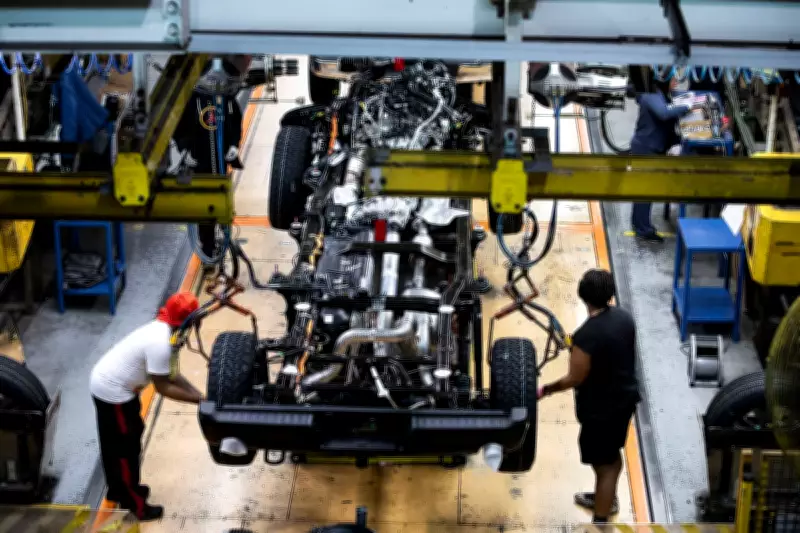
Trump Unveils Ambitious Manufacturing Jobs Initiative
Former President Donald Trump has announced a sweeping plan to boost manufacturing jobs in the United States, positioning it as a key driver for economic revitalisation. The proposal, revealed in a recent speech, targets the creation of millions of new positions in sectors such as automotive, electronics, and heavy machinery. Trump emphasised that this initiative will reduce reliance on foreign imports and strengthen domestic production capabilities.
Economic Implications and Expert Analysis
Economists are divided on the potential impact of Trump's manufacturing jobs plan. Supporters argue that it could lead to significant GDP growth, increased wages, and enhanced national security by bringing supply chains back home. However, critics point to challenges such as automation, global competition, and the high costs of reshoring industries. They caution that without substantial investment in training and infrastructure, the plan may fall short of its ambitious goals.
Recent data shows that manufacturing employment has seen fluctuations in recent years, with some regions experiencing gains while others face decline. Trump's proposal includes tax incentives for companies that hire domestically and tariffs on goods produced overseas, measures he claims will level the playing field for American workers.

Political and Social Context
The announcement comes amid a heated political climate, with Trump positioning himself as a champion of the working class ahead of potential future elections. Analysts note that manufacturing jobs have long been a symbolic issue in U.S. politics, often tied to narratives of national pride and economic sovereignty. Public reaction has been mixed, with some communities expressing optimism for renewed job opportunities, while others remain sceptical about the feasibility of large-scale industrial revival.
In addition to economic factors, the plan raises questions about environmental regulations and labour standards. Trump has suggested rolling back certain rules to accelerate manufacturing growth, a move that could spark debates over sustainability and worker protections.
Looking Ahead: Challenges and Opportunities
As the debate over Trump's manufacturing jobs plan intensifies, key stakeholders including businesses, unions, and policymakers are assessing its potential effects. Success will likely depend on factors such as technological adoption, international trade relations, and federal funding. While the initiative aims to address long-standing concerns about deindustrialisation, its execution will be critical in determining whether it delivers tangible benefits for the economy and workforce.
In summary, Trump's push for manufacturing jobs represents a significant policy proposal with far-reaching implications. Whether it translates into sustainable economic growth or remains largely rhetorical will unfold in the coming years, shaping the landscape of American industry and employment.