Luxury Brands Shutter Middle East Stores as Gulf Conflict Intensifies
Across Dubai and other major Middle Eastern shopping hubs, numerous stores are now closed or operating with minimal staff as escalating regional conflict creates chaos for businesses and travel. The situation has prompted luxury conglomerates to take immediate action to protect their operations and employees.
Major Retailers Implement Emergency Measures
Gucci owner Kering has announced temporary store closures in the United Arab Emirates, Kuwait, Bahrain, and Qatar, while simultaneously suspending all business travel to the Middle East. This decisive move comes as the US-Israeli air war against Iran expanded on Monday with no apparent end in sight, with Tehran responding by firing missiles and drones at Gulf states.
The retaliatory strikes follow a weekend of bombing that reportedly killed Iran's supreme leader and scores of Iranian civilians, including an attack on a girls' primary school. This escalation has created widespread uncertainty across the region's commercial centers.

Chalhoub Group, which operates approximately 900 stores for premium brands including Versace, Jimmy Choo, and Sephora across the Middle East, confirmed that its stores in Bahrain are completely closed. In other markets such as the United Arab Emirates, Saudi Arabia, and Jordan, stores remain open but with strictly voluntary staff attendance.
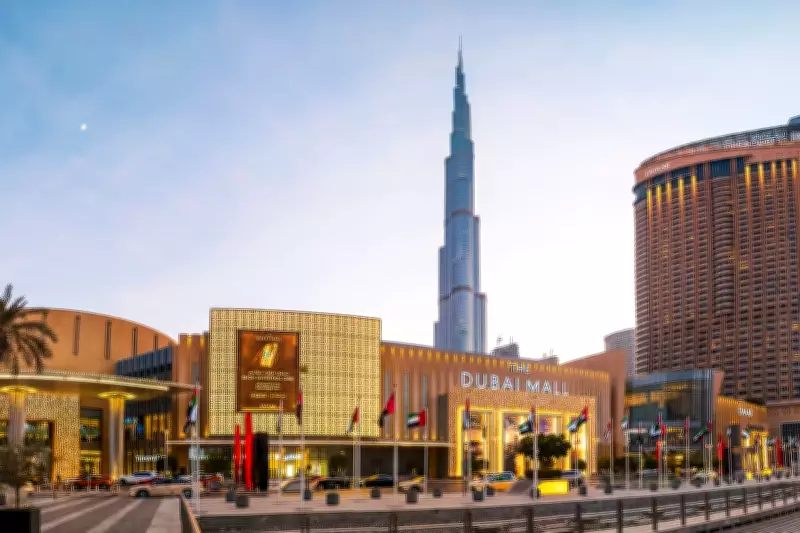
"We operate with a lean team formed of members who volunteered and feel comfortable to come to the store," explained Chalhoub's Vice President of Communications Lynn al Khatib to Reuters. She added that the company's leadership team personally visited Dubai Mall and Mall of the Emirates on Monday morning to check on workers and assess the situation firsthand.
Economic Impact on Luxury Sector
The widespread disruption highlights the conflict's profound economic consequences, particularly for the luxury sector that had been experiencing significant growth in the region. Shares in major luxury groups including LVMH, Hermes, and Cartier owner Richemont fell between 4 percent and 6.5 percent on Monday as investors digested the potential knock-on effects of the ongoing conflict.
While the Middle East accounts for only 5 to 10 percent of global luxury spending according to RBC analyst Piral Dadhania, the region had emerged as "luxury's brightest performer" last year according to consultancy Bain. This growth occurred even as sales of expensive handbags and accessories stalled in other global markets.
The conflict's timing is particularly unfortunate given recent investments by luxury brands in the region. Cartier had unveiled a high-jewellery exhibition in Dubai's Keturah Park just days before the conflict began, while LVMH's flagship brand Louis Vuitton staged an exhibition at the Jumeirah Marsa Al Arab hotel last month.
Travel and Tourism Disruption
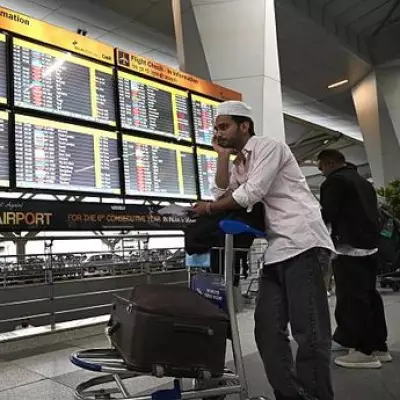
Shuttered airports have abruptly halted tourism flows into the region, and missile strikes—including one that damaged Dubai's five-star Fairmont Palm hotel—are likely to further dissuade travelers, especially if the conflict persists. "If you assume that it's a $5 to $6 billion travel retail market and let's say it's going to be shut down for a month, we are talking about hundreds of millions of dollars that are definitely at risk," warned Victor Dijon, senior partner at consultancy Kearney.
Dijon added that if Middle Eastern shoppers cannot travel to European fashion capitals like Paris or Milan, luxury sales in Europe could also suffer significant impacts. This potential ripple effect underscores the interconnected nature of global luxury markets.
Broader Retail Sector Affected
The disruption extends beyond luxury brands to affect mass-market retailers as well. Budget fashion retailer Primark had planned to open three stores in Dubai in March, April, and May, followed by additional locations in Bahrain and Qatar by year's end. "Primark is set to open its first store in Dubai at the end of March but clearly this is a fast-moving situation which we are monitoring closely," stated a spokesperson for Primark owner Associated British Foods.

Technology giant Apple has closed its Dubai stores until Thursday morning according to company websites, while Swedish fast-fashion retailer H&M confirmed store closures in Bahrain and Israel. Consumer goods group Reckitt has implemented comprehensive safety measures, instructing all Middle Eastern employees to work from home, temporarily closing its Bahrain manufacturing site, and suspending all business travel to the region indefinitely.
LVMH, which does not report specific regional figures, had noted in January that the Middle East was "displaying significant growth" according to Chief Financial Officer Cecile Cabanis. The conglomerate's beauty retailer Sephora recently launched its first Saudi beauty brand, highlighting the strategic importance brands had placed on Middle Eastern expansion before the current crisis.
As missile strikes continue and regional tensions show no signs of abating, retailers across the spectrum face difficult decisions about maintaining operations in one of the world's most volatile but commercially promising regions.