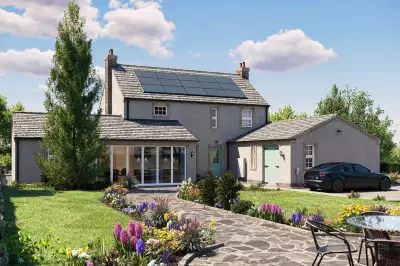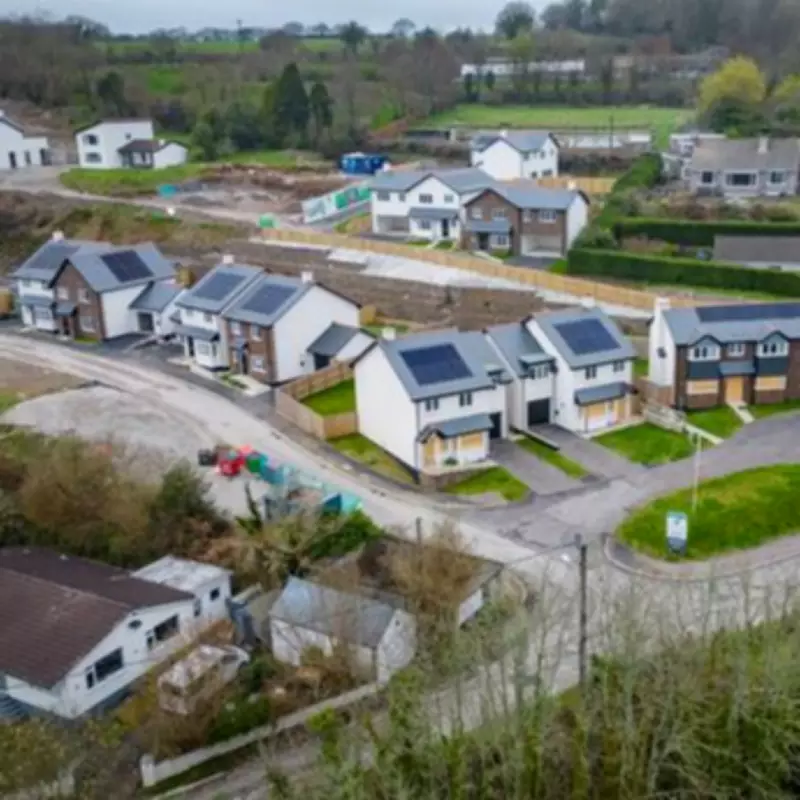
A picturesque Cornish village has been transformed into what locals describe as a 'ghost town' after a controversial housing development was abandoned, leaving 33 brand new properties boarded up and uninhabitable for eight years. The situation in Calstock has sparked outrage among residents who feel betrayed by broken promises of affordable housing for the community.
Planning Deadlock Creates Derelict Development
The Bridge View development in Calstock, Cornwall, was originally granted planning permission in 2018 with the promise of delivering 15 affordable homes alongside other properties. These affordable units were meant to be built to the same high standards of workmanship, energy efficiency, and appeal as the open market designs, providing much-needed housing for local residents in one of the country's most deprived areas.
However, what followed was a seven-year planning dispute that has left the development frozen in time. The properties now stand as empty shells, with windows boarded up and construction halted indefinitely. The visual impact on the village has been described as devastating by those who call Calstock home.

Developer's Costs Spiral Out of Control
The Devon-based developers, Michael Wight and Adele Fulner of Construction Partners Ltd, claim their expenses ballooned unexpectedly while awaiting approval for revised planning applications. This financial strain ultimately prevented completion of the works and caused affordable housing operators to withdraw from the project.
Construction Partners Ltd is classified as a 'micro' enterprise by business intelligence firm Endole, and the developers have acknowledged they are 'not a big company.' One representative went so far as to label the planning system as 'broken,' suggesting that bureaucratic delays contributed significantly to their financial difficulties.
Broken Promises Anger Local Residents
Local residents have expressed profound disappointment and anger over the situation. Olivia Cheek, a Calstock resident, commented: 'They never built all of the houses, so the ones that are boarded up are the expensive ones that were for sale, and overpriced, in my opinion. The developers then didn't continue with the Social Housing part of the development, which was the reason why they got planning in the first place. It is such a shame.'
Grahame Bartleet, another local resident, was equally critical: 'The developer promised benefits for local people but didn't deliver. They didn't comply with their planning permission and ran out of money. Planning consent was conditional on a number of affordable houses. The developer applied to reduce the number of affordable houses, and that was approved.'
Affordable Housing Numbers Slashed
The original commitment to 15 affordable homes was gradually eroded through the planning process. In October 2021, Cornwall Council approved a revised application that reduced the number of affordable units to just 10. Reports indicate it took a full three years for this revised application to secure approval from the council.
Bartleet continued his criticism: 'The developer then applied to remove all affordable housing and that was refused. South East Cornwall is one of the most deprived areas in the country: perhaps building houses for wealthy people from outside the area isn't the best way forward for the community.'
Council Defends Its Position
Cornwall Council has maintained that reducing affordable homes from 15 to 10 still fell within the requirements for the village, as outlined in both the Calstock neighbourhood plan and the Cornwall Local Plan. The council's position suggests that while the reduction was significant, it remained technically compliant with local planning policies.
Despite this justification, the practical outcome has been a development that serves neither the original affordable housing goals nor the commercial interests of the developers. The boarded-up properties now stand as a stark reminder of planning failures and broken commitments.

Broader Implications for Housing Policy
The Calstock situation raises important questions about housing development in deprived areas and the effectiveness of planning systems. When developers struggle financially and affordable housing commitments are diluted or abandoned, communities are left with incomplete developments that fail to address local housing needs.
Eight years after initial planning permission was granted, the Bridge View development remains a ghostly presence in Calstock. The boarded-up homes serve as physical evidence of planning disputes, financial mismanagement, and unfulfilled promises that have left a Cornish village grappling with the consequences of a development gone wrong.