London Pensioners Face £3.7m Legal Bill After Right to Light Battle Over Tower
A retired couple who successfully sued developers over a 17-storey tower that blocked natural light to their London home could now be forced to pay a staggering £3.7 million in legal costs, despite winning their case in court.
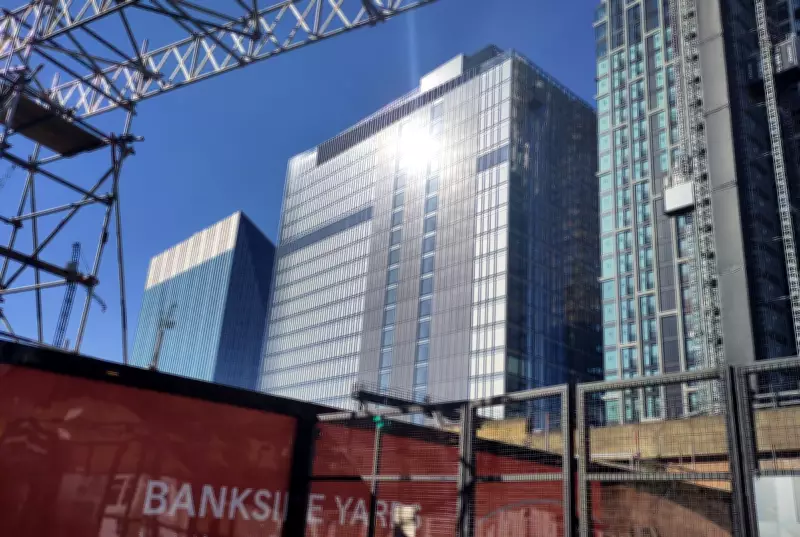
Stephen and Jennifer Powell, pensioners residing in the Bankside Lofts on London's South Bank, argued that the Arbor tower "substantially" reduced the natural light entering their sixth-floor apartment. The Arbor tower forms part of the massive £2 billion Bankside Yards development, which is ultimately planned to include eight towers, with some reaching up to 50 storeys in height.
The Legal Battle and Initial Ruling
The Powells, along with their seventh-floor neighbour Kevin Cooper, sought an injunction to protect their right to light, which could have potentially led to the demolition of the nearly £35 million tower. In a ruling at the High Court, Mr Justice Fancourt acknowledged that the couple's flat was "substantially affected" by the loss of light.

He ordered the co-developer, Ludgate House Ltd, to pay the Powells £500,000 in damages and an additional £350,000 to Mr Cooper. The judge stated that parts of both flats were left with light levels "insufficient for the ordinary use and enjoyment of those rooms."
The Costly Twist in the Case
However, the householders now face a significant financial threat. The developers are seeking to recover £3.7 million in legal costs from the Powells and Mr Cooper. This bid stems from the judge's refusal to grant an injunction that would have required the tower to be altered or demolished.
During the trial, the court heard that the Powells have lived in their flat for over two decades, while Mr Cooper, a property finance professional, purchased his apartment in 2021. Their barrister, Tim Calland, emphasised the importance of natural light, arguing it is not merely an "add on" but essential for health, wellbeing, and productivity.
Arguments Over Costs and Success
John McGhee KC, representing the developer, contended that the claimants should bear the costs because the developer was the "successful party" in resisting the injunction. He highlighted that demolishing the tower would waste over £200 million and cause substantial environmental damage.
McGhee argued that the damages awarded were a small fraction of what was sought and aligned with earlier offers from the developer. He described the claims as "over-inflated," amounting to more than three times the value of the respective flats.
In contrast, Tim Calland for the neighbours asserted that the claimants were the true victors, having secured substantial damages that set records in rights-of-light cases. He argued that the developer's defence failed and that the claimants had to litigate to vindicate their rights after being offered only "book-value settlements" initially.
Broader Implications and Pending Decision
The case underscores the complex balance between property rights and urban development. In his 2025 judgment refusing the injunction, Mr Justice Fancourt noted the "significant public interest" in avoiding the waste of development costs and environmental harm from demolition.
The ruling on who will pay the £3.7 million legal costs is pending a future decision. This outcome could set a precedent for similar disputes involving rights to light and the financial risks for homeowners challenging large-scale developments.