Gilston Housing Development Sparks Controversy Over Car Dependency
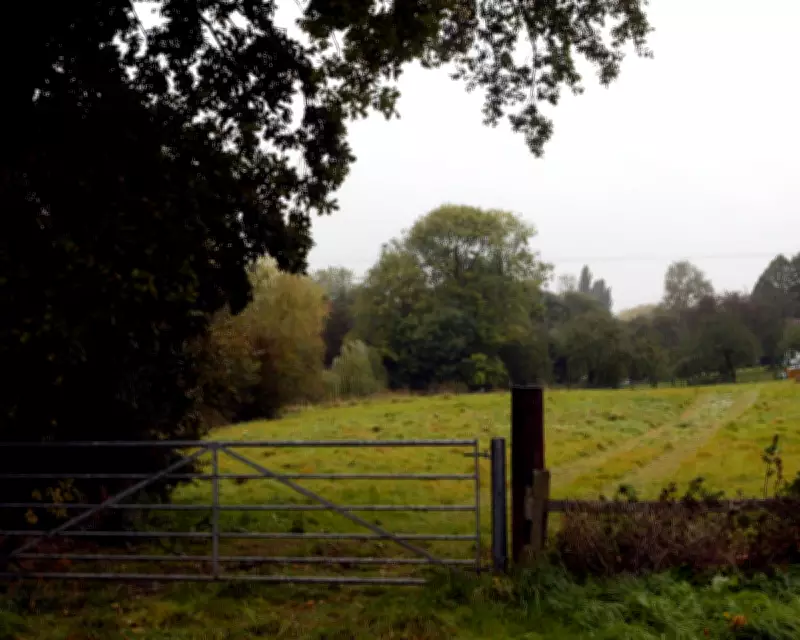
A proposed development of 10,000 new homes on green-belt land at Gilston, near Harlow in Hertfordshire, has drawn sharp criticism from experts and residents alike. Critics argue that the project, despite being marketed as a modern solution, will result in car-dependent urban sprawl rather than sustainable living.
Low-Density Design Fuels Car Reliance
Jon Reeds of Smart Growth UK highlights that the ultra-low-density nature of the Gilston scheme, situated far from rail networks, inevitably encourages car use. He points out that even with primary schools included, extended walking distances due to sparse layouts undermine efforts to reduce vehicle dependency. This sprawl consumes productive farmland, exacerbating environmental concerns.
Affordable Housing Shortfalls Exposed
The development's "mixed tenure" claims have also been questioned. East Herts council initially aimed for 40% affordable housing, but this was reduced to 23% after developers cited viability issues under planning guidance. Reeds notes that much of this "affordable" housing remains unaffordable for many, with minimal social-rent options, raising doubts about its true accessibility.

Infrastructure Delays and Broken Promises
Richard Eltringham from Leicester adds to the critique, mocking the lengthy timelines associated with such "garden village" projects. He suggests that refurbishing existing empty buildings could provide homes more quickly, instead of embarking on multi-decade construction odysseys. Eltringham warns that infrastructure like access roads often lags, worsening traffic and delaying benefits for communities.
Broader Implications for UK Housing Policy
This case reflects wider issues in UK housing and planning, where developers may prioritise profits over public needs. The reliance on car-centric models and reduced affordable housing quotas threatens to deepen the housing crisis without addressing core sustainability goals. As debates continue, the Gilston project serves as a cautionary tale for future developments across the country.