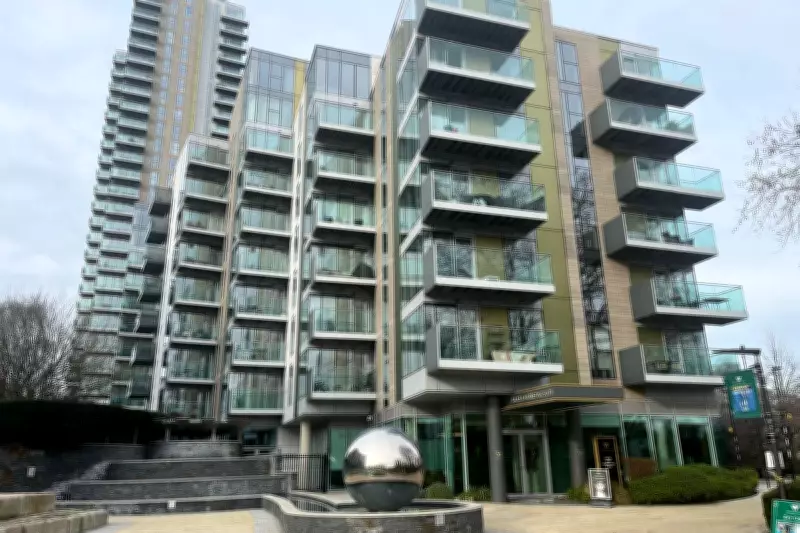
Luxury London Flat Toilet 'Risk of Injury' Sparks £3.6m High Court Battle
A couple who purchased a luxury waterside apartment in London for nearly £700,000 are now embroiled in a multimillion-pound High Court dispute with developers Berkeley Homes, alleging numerous defects including toilets that pose a "risk of personal injury" by potentially tipping users forward while seated.
Julian Thirsk, 54, and Emma King, 49, bought their three-bedroom flat in the prestigious Woodberry Down development near Finsbury Park in 2012. The property, part of a 5,500-home scheme overlooking the idyllic Woodberry Wetlands nature reserve, came with a £30,000 parking space and access to on-site gym, swimming pool, and 24-hour concierge services.
Multiple Alleged Defects Detailed in Court Documents
According to court filings, the couple's complaints extend far beyond the problematic toilets. They allege the defective toilet installations have caused six separate flooding incidents and continue to present flooding risks to their property and neighboring flats. The toilets are reportedly installed in a manner that "fails to prevent users being tipped forward," creating direct injury concerns.

Additional grievances include poor water pressure throughout the apartment, a bath plug that fails to seal properly causing rapid drainage, "wobbly tiles" on the terrace, unpleasant odors entering from adjacent properties, and rooms overheating due to malfunctioning "curtain wall" systems designed to block solar heat transfer.
The couple also raise fire safety concerns, claiming fire escape steps are too narrow and positioned too far from their doorway. They further complain of inadequate soundproofing that allows pipe noise to penetrate multiple rooms including the master bedroom and lounge.
£1.2 Million Compensation Claim and Legal Costs
Mr. Thirsk and Mrs. King are seeking over £1.2 million in compensation to rectify the alleged defects and cover associated losses, including rental costs incurred when they vacated the property for repair work. Their legal team, led by barrister Daniel Benedyk, argues the problems stem from work not being "carried out in a workmanlike and/or professional manner and/or with proper materials."
The total legal battle is estimated to cost approximately £3.6 million, with the couple's legal budget set at £1.15 million and Berkeley Homes' costs limited to just over £1.2 million by High Court Judge Roger Ter Haar KC, who deemed their initial £2.1 million budget "prima facie disproportionate."
Berkeley Homes Denies Liability and Accuses Overstatement
Lawyers representing Berkeley Homes (North East London) Ltd and Berkeley Homes (Capital) Ltd have firmly denied liability for the alleged defects. Barrister Laura Adams contends the toilets were "properly installed" and present "no risk to personal injury," suggesting minor bracing work could resolve any issues if the couple granted access.
The developers argue many alleged problems could be easily remedied if the claimants allowed workers into the property, noting they have "refused access to the defendants when they have sought to carry out works and/or investigate the allegations made on multiple occasions."
Regarding tile defects, Berkeley Homes maintains expansion joints weren't necessary in the flat's small spaces and denies significant tile issues exist, admitting only to "small areas of missing grout" and "a hollow sound to some areas" that could be addressed with minor remedial work.
Background and Development Context
The Woodberry Down development represents a 30-year regeneration program replacing older housing around former reservoirs with modern luxury blocks. The wetlands area, officially opened by Sir David Attenborough in 2016, has transformed 19th-century reservoirs into a nature reserve popular with birdwatchers and walkers, featuring sailing lakes and reed-fringed ponds attracting migratory birds and wildlife.
The couple first noticed construction defects shortly after moving into their flat in June 2012 and agreed to a list of remedial works with Berkeley Homes in 2014. They vacated the property from July 2014 to March 2015 to allow repairs but claim the work was inadequately performed with many defects remaining unresolved.

The case is now proceeding toward a full trial unless both parties reach an out-of-court settlement, marking another chapter in the ongoing disputes between luxury property buyers and major developers over construction standards in premium residential developments.