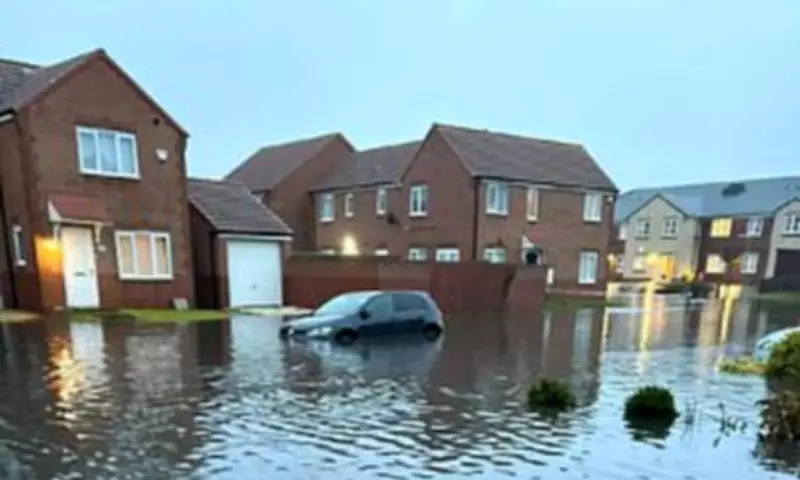
A concerning new report has revealed that one in nine new homes constructed in England between 2022 and 2024 have been built on land vulnerable to rising water levels and flooding. The analysis, conducted by insurer Aviva, shows a worrying upward trend in residential development occurring in potentially hazardous areas.
Alarming Statistics on Flood Risk Development
Of the 396,602 homes built across the three-year period, 43,937 properties - representing 11 percent of the total - are situated in areas now classified as having medium or high risk of coastal and river flooding. This risk encompasses multiple threats including heavy rainfall, storm surges, high tides, and flash floods.
The current proportion marks a significant increase from previous figures, which indicated that only eight percent of new homes were constructed in flood risk zones between 2013 and 2022. This upward trajectory coincides with accelerated house building across the country.

Geographic Concentration of At-Risk Developments
Almost one third of the constituencies with the highest number of new homes built in medium or high-risk areas are located in Greater London and Essex. However, the data reveals that the constituency with the most alarming statistics is Boston and Skegness in Lincolnshire, where a staggering 90.64 percent of new homes constructed in 2024 were built in areas with at least medium flood risk.
Other areas with concerning proportions include Erith and Thamesmead in Greater London at 69.32 percent, Bristol East at 65.8 percent, and South Holland and The Deepings in Lincolnshire at 61.97 percent. The list continues with Washington and Gateshead South in County Durham (60.56%), Clacton in Essex (55.15%), and Thurrock in Essex (51.22%).
Future Projections and Growing Concerns
Aviva predicts that by 2050, one in seven recently built new homes will face higher flood risk as extreme weather impacts become more severe. The analysis further indicates that new homes are likely to face greater flood risk than existing properties, with almost a third of homes built in the last three years projected to be at some risk of flooding by 2050, compared to approximately a quarter of existing properties.
"It's particularly worrying that this trend has risen in recent years, just as house building accelerates," said Jason Storah, CEO UK & Ireland General Insurance at Aviva. "In some areas, it will not be a case of if, but when, a home will flood."
Insurance and Planning Concerns
Mr Storah also highlighted that new homes are not protected by the 'Flood Re' scheme, which was established to improve the affordability and accessibility of flood insurance for properties in high-risk areas. He called for stronger planning regulations, stating: "We believe there should be a presumption against new developments in high-risk areas in the planning rules, alongside mandatory flood resilience measures in building regulations for new homes in areas at risk."
The insurance executive emphasized that "building new homes and locating them in lower risk areas are not mutually exclusive objectives" and stressed the importance of both goals for sustainable economic growth and future readiness.
Government Response and Current Flood Situation
A government spokesman contested the report's findings, arguing that "these figures are misleading as the research doesn't even factor in flood defences in place." The spokesman pointed to government commitments, stating: "We will build 1.5 million homes without compromising on safety, and our planning proposals will ensure that development should not go ahead where it would be unsafe due to flood risk."
The government highlighted a record £10.5 billion investment in flood projects, which they claim will benefit nearly 900,000 properties by 2036.
These findings come amid ongoing flood concerns across England. After weeks of persistent wet weather that has seen some areas experience over 40 consecutive days of rain, the Environment Agency has warned the public to remain vigilant. Recent weeks have seen approximately 340 properties suffer flooding, with some regions experiencing their wettest January since records began.

As of yesterday, 65 flood warnings remained in place across England, primarily in Wiltshire, Dorset and Somerset, with an additional 179 flood alerts covering England and Wales.
Broader Climate Context
This report follows previous research by Aviva warning that up to eight million properties in English towns and cities could face underwater threats by 2050. As climate change continues to warm the planet, flooding is expected to become more frequent and severe, particularly in coastal areas and near rivers.
Aviva predicts that the number of properties in England at risk of coastal and river flooding will increase by over 25 percent between now and 2050, rising from 6.3 million to eight million - putting approximately one in four homes at risk. The insurer also forecasts a sharp increase in properties vulnerable to devastating flash floods caused by periods of intense rainfall.
The data underscores growing tensions between housing development targets and climate resilience planning, highlighting the complex challenges facing policymakers, developers, and homeowners as extreme weather events become more common.