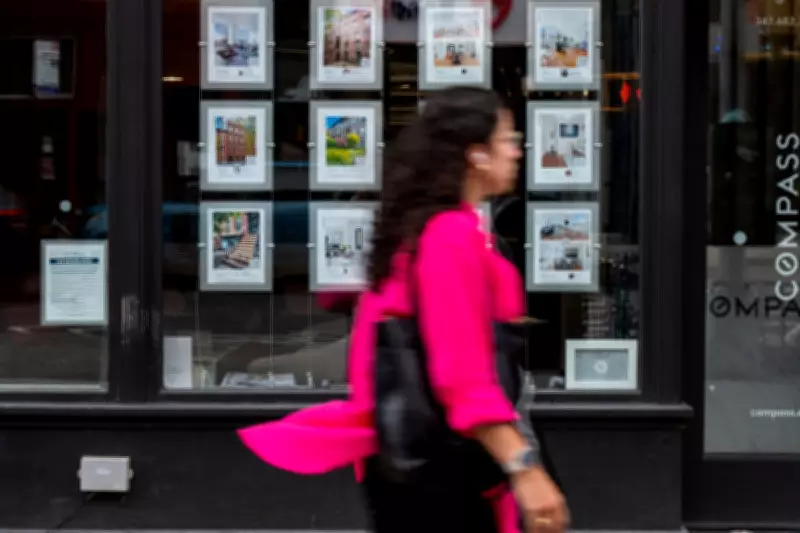
A significant shift is underway in the American rental landscape, with market conditions swinging in favour of tenants across many of the nation's largest metropolitan areas. According to a comprehensive new study, nearly half of the top fifty cities have transitioned into renter-friendly territory, offering a welcome respite from the intense competition and soaring costs that have characterised recent years.
Vacancy Rates Rise, Empowering Renters
The latest data from real estate platform Realtor.com indicates a notable increase in rental vacancies, climbing from 7.2 percent in 2024 to 7.6 percent in 2025. This upward trend has created a more balanced dynamic in numerous housing markets. The analysis categorised twenty-two cities as "renter friendly," defined by having more than 7 percent of rental properties available. An additional twenty-two urban centres fell into the "balanced" category, with vacancy rates ranging between 5 and 7 percent.
Danielle Hale, chief economist at Realtor.com, emphasised the broader implications of this change. "This shift doesn't just signal lower prices; it means that renters today have more options and more bargaining power," she stated in an official release. "While the market isn't uniform everywhere, the broader trend is a move toward a much-needed equilibrium that allows for more flexibility and choice in the housing search."

Metropolitan Areas Leading the Charge
Several key metropolitan regions experienced substantial increases in rental vacancies, a development that typically tilts the market advantage towards tenants.
- Milwaukee-Waukesha, Wisconsin: Wisconsin's largest metro area witnessed its rental vacancy rate more than double year-on-year, surging from 4.9 percent in 2024 to 10.8 percent in 2025. This dramatic shift propelled Milwaukee from being landlord-friendly to renter-friendly within a single year, the only city in the study to achieve this rapid transformation.
- Austin-Round Rock-San Marcos, Texas: The Austin metropolitan region recorded the second-largest vacancy increase among the top fifty cities, with rates jumping from 8.2 percent in 2024 to 13.8 percent in 2025. Consequently, the median asking rent dropped by 7.3 percent to $1,358 over the past year.
- Sacramento-Roseville-Folsom, California: This California area experienced the third-most significant rise in rental vacancy rates, increasing to 6.9 percent in 2025 from 3.8 percent in the previous year.
- Tampa-St. Petersburg-Clearwater, Florida: The Tampa metro area saw its vacancy rate climb from 8.7 percent to 11.4 percent, marking the fourth-largest increase studied. Median rents in the region fell by 2.7 percent year-on-year to $1,667.
Persistent Challenges in Major Hubs
Despite these encouraging trends, renters continue to face a challenging market in some of America's most prominent and expensive cities. Six metropolitan areas remained firmly in the landlord-friendly category for 2025, characterised by vacancy rates under 5 percent: Boston, Massachusetts; Riverside, California; San Jose, California; Providence, Rhode Island; Los Angeles, California; and New York City.
However, even within these tight markets, there were small signs of potential relief for tenants. The median rental asking price experienced year-on-year declines in several of these cities, including Boston (-2.6 percent), Riverside (-2.7 percent), Providence (-3.1 percent), and Los Angeles (-1.9 percent).
Broader Economic Context
These housing market findings emerge during a period of generally positive economic indicators for consumers. Recent data shows inflation falling to its lowest point since May 2025, while the economy added over 100,000 jobs for the first time since April of that same year.
Nevertheless, affordability remains a deep and pervasive concern for many Americans. According to Federal Reserve statistics, the median rent last year was 15.2 percent higher than it was six years ago, and overall housing prices persist near historic peaks. The current shift towards a more renter-friendly environment in numerous cities represents a crucial step towards addressing these longstanding financial pressures and providing greater housing security for millions of tenants across the United States.