Tring Residents Battle 'Stealth' Green Belt Development of 1,400 Homes
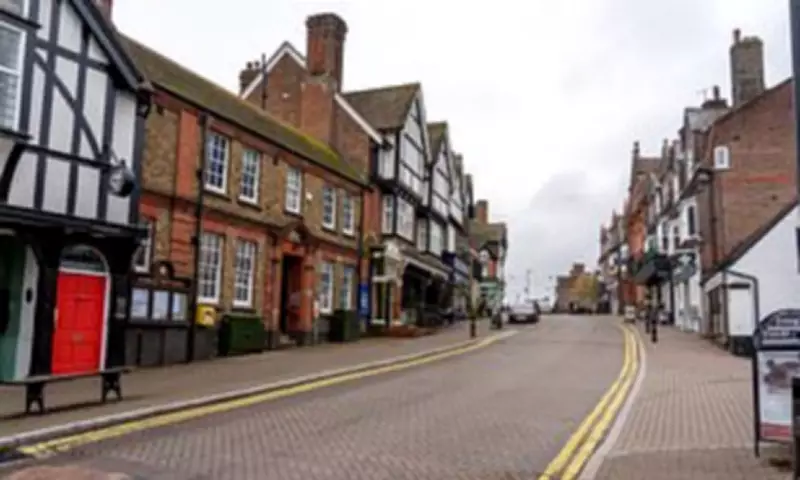
Residents of the picturesque Chilterns town of Tring are fiercely opposing a planned new suburb of 1,400 houses, which they claim is being 'implemented by stealth' by local authorities. The proposed development, known as Marshcroft Farm, would occupy 300 acres of Green Belt land on the eastern edge of Tring in Hertfordshire, potentially increasing the town's population of approximately 12,000 by nearly 28 per cent.
Overwhelming Opposition and Infrastructure Concerns
The plans, submitted by developer Harrow Estates, are in their final stages, with a decision from Dacorum Borough Council anticipated in mid-March. The Marshcroft development has sparked widespread local opposition, with residents arguing it will concrete over scenic countryside and strain local services and infrastructure, including water supply, medical facilities, and the small railway station. To date, the proposal has received over 446 objections from local people, compared to just one letter of support.
Additionally, 34 formal responses from consultee bodies such as British Pipelines, the Environment Agency, National Rail, Thames Water, the National Trust, and Historic England have raised significant concerns or objections. Thames Water specifically objected, stating that even if the homes were built, they could not be occupied without water and sewage upgrades that would take years to complete.

Broader Development Impact and Local Backlash
Alongside Marshcroft, a separate development of approximately 400 homes off Grove Road is proposed to be built concurrently. Together, these schemes could result in 1,800 new houses in the area, increasing housing stock by 35 per cent, with additional plans for 250 homes at nearby Dunsley Farm. Tring Town Council has formally opposed the Marshcroft plan, warning it could transform Tring from a 'market town' into a much larger urban area.
Councillor Robert Farrow, chair of the town council's planning committee, noted in a newsletter: 'This is the largest response I have seen to any application on the Dacorum planning portal since I was elected in 2023. The scale of public response reinforces the Council's position.' The council's objections cite potential impacts on the Chilterns National Landscape, loss of agricultural land, harm to Green Belt openness, unresolved infrastructure issues, and the prematurity of approval while the Local Plan process is ongoing.
Historical Context and Political Tensions
Almost identical plans were submitted in 2022 but were rejected by Dacorum Borough Council, with an appeal later dismissed by then housing secretary Michael Gove and London's High Court. Locals were 'dismayed' to discover the plans had been resubmitted and included in Dacorum's revised 2024 Local Plan, which was updated following changes to national planning policy and Green Belt guidance to align with Labour's target of building 1.5 million homes. This revision reclassified the Green Belt site as Grey Belt, opening it up for development.
Keith Baker, a committee member of the Grove Fields Residents Association, accused Dacorum of implementing their local plan 'by stealth,' referencing a similar approval in Berkhamsted despite opposition. Trevor Standen, a local resident and former planning barrister, suggested political motives, noting that many Dacorum councillors from urban areas like Hemel Hempstead might prefer development in Tring to avoid densification in their own wards. He argued: 'The majority of Dacorum councillors are from Hemel Hempstead and they're basically saying let's get rid of this problem by drowning Tring.'
Affordability and Precedent Fears
The developers have promised that around 50 per cent of the new housing will be 'affordable,' but opponents contend this term is relative, with homes likely priced beyond the reach of local young people. Tring Town Council highlighted in their newsletter that under current rules, affordable homes can be sold at up to 75 per cent of market value, potentially keeping them unaffordable for many residents. Mr. Standen expressed skepticism, predicting that over the 15-year build period, affordable units might end up on the open market due to lack of buyers.

Campaigners also fear that approval of Marshcroft could set a dangerous precedent for similar large-scale developments in other Green Belt areas, with developers using it as a positive case study. David, a campaigner with development background, warned: 'Developers and the planning consultants they use are very well funded... They'll think well that's been approved in Tring and works well, that's a sturdy argument. So, it sets a precedent and it's not good for anyone.'
Ongoing Legal and Planning Challenges
Marshcroft is the largest of three housing developments allocated to Tring in Dacorum's updated Local Plan. While the 2023 version received local support for balancing growth with character protection, the 2024 revision significantly increased home allocations, leading Tring Town Council and the Grove Field Residents Association to formally challenge aspects of the plan and seek removal of the Marshcroft development. A Local Plan examination is underway, with inspectors questioning Dacorum's site selection, prompting a re-consultation.
A spokesperson for Harrow Estates defended the proposal, stating: 'Proposals for Marshcroft Farm has undergone extensive scrutiny, including a previous appeal where a Planning Inspector recommended approval. The site is now proposed for inclusion in the emerging Dacorum Local Plan, reflecting its role in meeting the borough's high housing need. Our updated application retains the homes for older people, 1,000sqm of commercial space, new schools, sports and health facilities, and a flexible community building, while increasing affordable housing from 45% to 50%. There are no outstanding technical objections and its impact on local infrastructure will be mitigated, with Thames Water obliged to upgrade its systems to meet future demand.'
As the decision date approaches, Tring residents remain united in their fight, emphasizing the need to preserve their town's identity and environment against what they perceive as unsustainable growth.