The Competition and Markets Authority (CMA) has issued a stark warning to fuel retailers across the United Kingdom, placing them "on notice" as it escalates its monitoring of petrol and diesel prices. This decisive action comes in direct response to the ongoing Middle East conflict, which has heightened concerns over potential exploitation in the fuel market.
Enhanced Scrutiny and Data Demands
The competition watchdog has formally notified firms responsible for thousands of fuel stations nationwide that it is accelerating requirements for them to supply comprehensive data. This includes detailed information on revenue, costs, and sales figures. By bringing forward these formal demands, the CMA aims to expedite its review of fuel margins generated by businesses since the onset of the conflict.
Investigating Pricing Practices
A key focus of the CMA's intensified monitoring will be the speed at which fuel prices adjust in relation to wholesale cost fluctuations. The watchdog has explicitly stated it will examine whether there is evidence of so-called "rocket and feather" pricing. This controversial practice involves prices rising rapidly when wholesale costs increase but falling slowly when those costs decrease, potentially disadvantaging consumers.

While acknowledging that businesses throughout the economy face significant pressures from rising energy costs that could legitimately affect prices, the CMA issued a clear warning. It emphasised that fuel stations "should not exploit the situation" and vowed that any evidence of such exploitation would be prominently highlighted in its forthcoming pricing update, which will be published as soon as possible.
Official Statements and Market Context
Juliette Enser, the CMA's executive director for markets, provided official commentary on the situation. "Whilst price increases might be inevitable because of rising wholesale costs, it is important that those increases reflect genuine cost pressures," she stated. "We will be closely scrutinising and reporting on what's happening with fuel prices and call out any concerning behaviour."
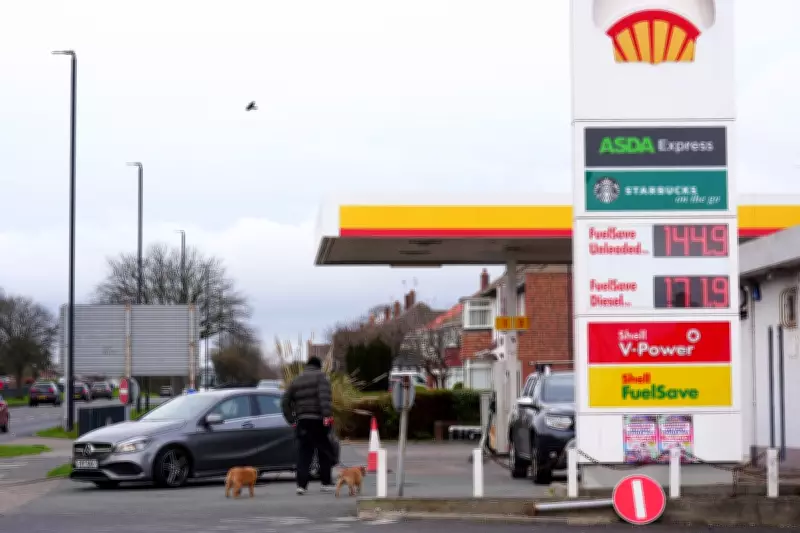
This regulatory intervention follows concerning market developments reported by the RAC. On Wednesday, the motoring organisation revealed that diesel prices had surged by nearly 9% since February 28, while petrol prices had increased by an average of 6% over the same period. These substantial hikes have placed additional financial strain on consumers already grappling with broader economic challenges.
The CMA's proactive stance represents a significant escalation in regulatory oversight of the fuel retail sector. By demanding timely data and committing to transparent reporting, the watchdog aims to ensure that price movements remain fair and justified, protecting consumers from potential market abuses during a period of international instability.