The Pentagon is reportedly dropping roughly 180 faiths and belief systems from its officially recognized list, a move that has drawn sharp criticism from a former Army chaplain and religious freedom advocates.
New Policy Reduces Recognized Faiths to 31
The Defense Department will only recognize 31 such systems going forward, down from about 211, according to a May memo obtained by Military.com. The memo, reportedly signed by Anthony Tata, Under Secretary of Defense for Personnel and Readiness, states that the new list will provide chaplains with clear, readily available information to better anticipate the religious support needs of service members.
The Independent has contacted the Pentagon for comment.

Former Chaplain Condemns Changes
A former U.S. Army chaplain sharply criticized the changes, calling them a tragedy and a violation of the Constitution. "When I raised my hand to become an Army chaplain, I swore that I would support and defend the Constitution," the veteran told Military.com. "The First Amendment is the free exercise of religion for everybody. That's what I was buying into."
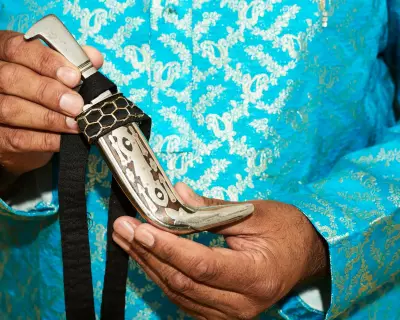
The military will continue to recognize Agnostics, Buddhists, Hindus, Muslims, Jews, Sikhs, and various Christian denominations, among others. However, it will no longer recognize Atheists, Asatru, Deists, Druids, Eckankar, Heathens, Humanists, Magick, New Age churches, Pagan, Rosicrucianism, Shaman, Spiritualists, Troth, Unitarian Universalists, and Wiccans.
Secretary Hegseth's Role
Secretary of Defense Pete Hegseth, who has pushed for incorporating Christian prayer into military settings, signaled the changes earlier this year. "The previous system had ballooned to well over 200 faith codes. It was impractical and unusable, and many codes were never used at all," Hegseth said in March, adding that a significant majority of service members use only six of the religious codes.
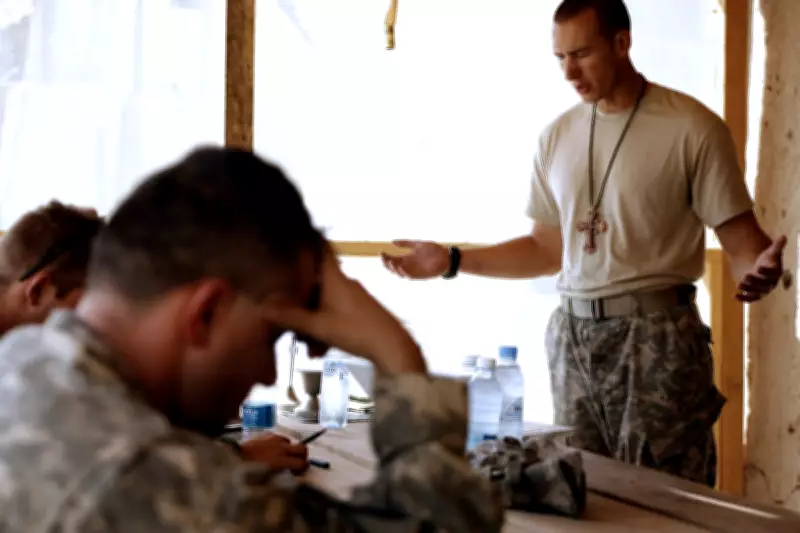
Hegseth has frequently invoked his Christian faith in official duties, leading prayer services and describing the war with Iran in religious terms. The Pentagon has also displayed Bible verses alongside military footage in promotional videos.
Criticism and Concerns
Critics argue that Hegseth's religiosity defies the military tradition of being secular and nonpartisan. "The U.S. voluntarily going to war against a Muslim country with the military under the leadership of Pete Hegseth is exactly the kind of scenario that people like me were warning about," religion scholar Matthew D. Taylor told The Associated Press.
Before serving in the Trump administration, Hegseth defended the medieval Crusades and has multiple Christian tattoos using Crusader imagery, which caused a minor scandal during his confirmation process. During his military service, a fellow service member reportedly flagged Hegseth as a possible insider threat due to the tattoos, given that white supremacist groups have used similar imagery.